
Plants
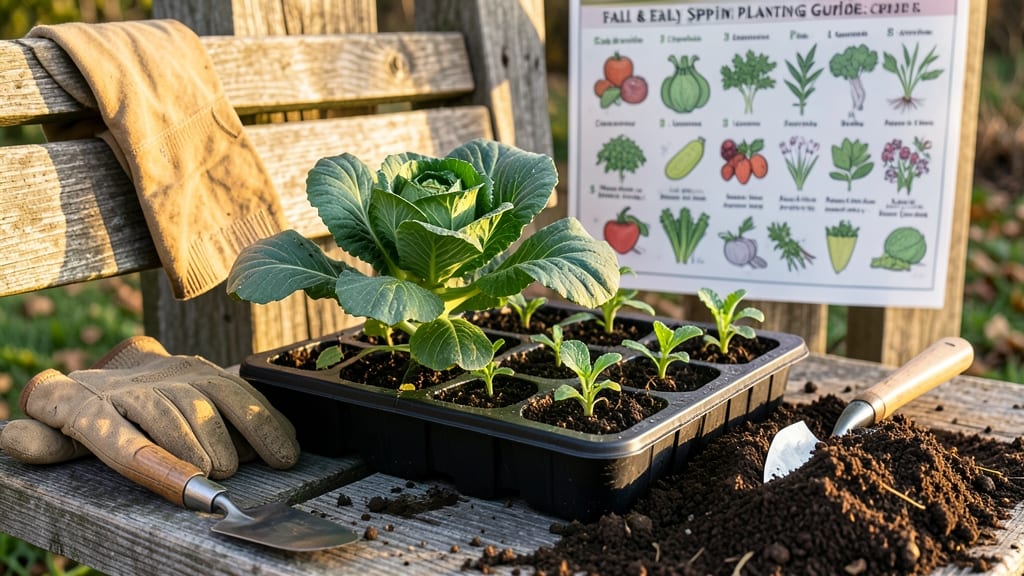
Timing your cabbage 🥬 planting in Missouri isn’t just about the calendar—it’s about outsmarting the Show-Me State’s unpredictable swings from frost to scorching heat. Plant too early, and you’ll watch your seedlings bolt into bitter flowers before forming heads.
Too late, and summer’s intensity turns your garden into a wilting disaster.
I’ve grown cabbage in Missouri’s 5b-7a zones for years, and the difference between a bumper crop and a sad side salad comes down to two perfect windows: early spring (March-April) and late summer (July-August).
These aren’t just random months—they’re calculated to give your plants the cool weather they crave while dodging the heat that triggers bolting.
What if you miss those dates? Don’t panic—we’ll cover how to stretch your season with shade tricks and mulching hacks that work in Missouri’s varied microclimates. Plus, I’ll share the top 3 cabbage varieties that actually thrive here, so you’re not gambling with your garden space.
By the end, you’ll know exactly when to plant, how to prep your soil, and which varieties to pick for foolproof heads—no more guessing, just harvest-ready cabbage. Let’s get those seeds in the ground the right way.
Missouri cabbage planting calendar: exact months to avoid bolting
Missouri’s USDA zones 5b-7a create a unique challenge for growing cabbage—too early, and frost zaps seedlings; too late, and heat triggers bolting. The key is planting when soil temps hit 40-50°F but before daytime highs exceed 75°F.
This means two perfect windows: early spring and late summer.
For spring cabbage, aim for March 15-April 15 in southern Missouri (zone 7a) or April 1-May 1 in northern areas (zone 5b). Fall plantings should start July 15-August 15, giving heads time to mature before first frost (usually mid-October).
Missouri’s microclimates complicate timing—river valleys like the Mississippi Bootheel can be 10°F warmer than the Ozarks. Use local frost date data from the Missouri Climate Center to fine-tune your schedule.
For example, St. Louis (zone 6b) has a last frost around April 1, while Kansas City (zone 6a) waits until April 15.
Bolting (when cabbage flowers prematurely) is your biggest enemy. Varieties like Golden Acre tolerate heat better than Red Express, but even heat-resistant types bolt if planted too late. The 75°F rule applies: once daytime temps stay above this for 3+ days, heads may split or flower.
| Planting Window | USDA Zone | Soil Temp | Days to Maturity | Harvest Window |
|---|---|---|---|---|
| Early Spring (March 15-April 15) | 6a-7a | 40-50°F | 60-75 days | May-June |
| Late Summer (July 15-August 15) | 5b-6b | 50-60°F | 70-85 days | September-October |
| Seedlings (Start Indoors) | All | 65-70°F | 4-6 weeks | Transplant after frost |
🌱 Pro Tip: Use row covers to extend spring planting by 2-3 weeks.
If you’re starting seeds indoors, begin 4-6 weeks before your target outdoor planting date. Use grow lights to simulate 14-16 hours of light daily—cabbage seedlings stretch without enough light. Harden off seedlings for 7-10 days before transplanting to avoid shock.
Missouri’s summer heat (often hitting 90°F+ by July) makes late plantings risky. For a second fall crop, try shade cloth (30-50%) over seedlings to lower soil temps by 10°F. Water deeply twice weekly to prevent stress-induced bolting.
For urban gardeners in cities like Columbia or Springfield, container growing works well. Use 5-gallon pots with well-draining soil and plant 2-3 weeks earlier than ground plantings—containers warm up faster in spring. Just ensure pots get full sun (6+ hours daily).
Always check Missouri Extension’s frost maps (updated annually) for your exact location. A 5-day forecast of 80°F+ days after transplanting signals it’s time to harvest or shade your plants. Red Express and Savoy King handle heat slightly better than Greenbow, but none thrive in consistent 85°F+ temps.
How to adjust cabbage planting for Missouri’s microclimates
Missouri’s diverse landscapes—from urban heat islands to cool river valleys—mean your cabbage’s success depends on local microclimate adjustments. In St. Louis’ city gardens, summer heat can strike early, while the Ozark foothills stay cooler longer. I’ve learned to adapt planting times and care routines based on where I garden. For urban gardens, start seeds indoors 6-8 weeks before your last frost (late February) to give seedlings a head start against heat. Use lightweight shade cloth (30-50%) during July-August to protect maturing heads from midday sun stress—this buys you 3-4 extra weeks of harvestable cabbage.River valley gardens like those near the Missouri River enjoy cooler temps year-round. Here, you can push fall planting into early September without risking frost damage. The key is mulching with straw (3-4 inches) to insulate roots and extend the growing season.
I’ve had Golden Acre cabbage mature in October when planted this way—something that fails in hotter areas.
🌱
The transplant timing is your most critical adjustment. In hotter microclimates, transplant seedlings when soil temps are below 70°F—even if it means delaying until May 1.
In cooler areas, you can start as early as April 1. I test soil temps with a $10 digital thermometer to avoid guessing.
For extended harvests, succession plant every 2 weeks in spring and 3 weeks in fall. In my St. Louis raised beds, this means planting March 1, 15, and 30 for a staggered harvest through June.
The secret? Use drip irrigation on a timer to maintain consistent moisture without overwatering.
💧
Missouri’s microclimates reward observant gardeners. Pay attention to local frost patterns (check your USDA zone and neighborhood heat maps). I’ve had fall cabbage survive until November 1 in shaded gardens near the Missouri River—something that would fail in exposed urban plots.
Adjust your schedule yearly based on what you observe.