
Plants
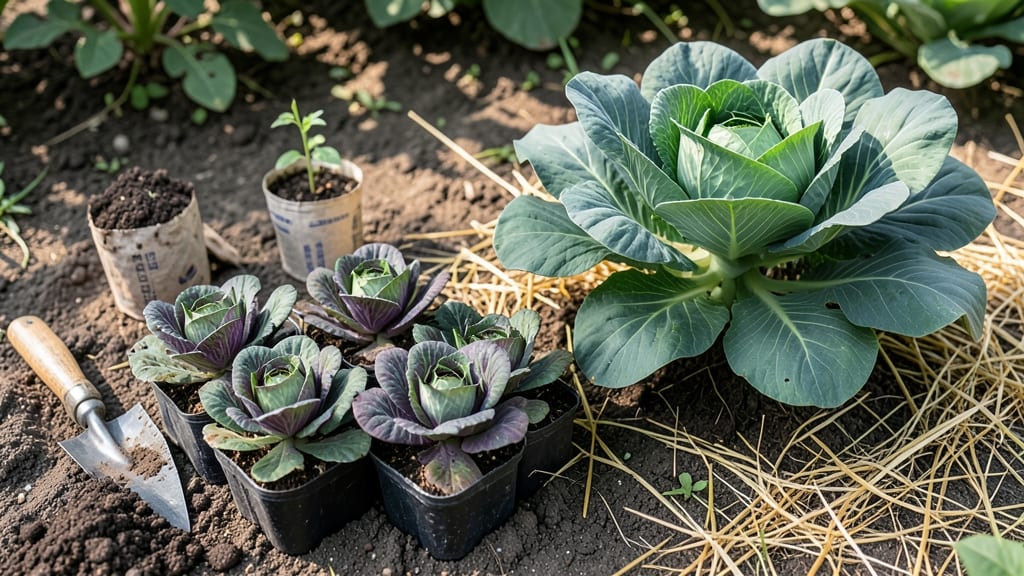
Timing your cabbage 🥬 planting in South Carolina can mean the difference between a bumper crop and a bolted disappointment.
The key isn't just about throwing seeds in the ground—it's about understanding your local climate's quirks, like those humid summers that can turn your plants into sad, wilted memories if you're not careful.
I've spent years growing cabbage in USDA zones 7b-8a, and the best harvests always come from planting at just the right moment. Whether you're a first-time gardener or a seasoned pro, getting the timing right for both spring and fall plantings is the game-changer you need.
Let me show you exactly when to start those seeds and how to avoid the common mistakes that trip up even experienced gardeners.
South Carolina's mild winters and long growing season give you two prime opportunities to plant cabbage—spring and fall. But here's the catch: planting too early means dealing with frost-sensitive seedlings, while planting too late risks your cabbage bolting before you can harvest.
We'll break down the exact windows for both seasons so you can maximize your yield.
Ready to grow heat-tolerant cabbage varieties that thrive in SC's climate? I'll share my top tips for preparing your soil, choosing the right varieties, and keeping your plants happy from seed to harvest. Let's get those cabbages growing!
South Carolina cabbage planting calendar: exact start dates by USDA Zone (7a & 8a)
South Carolina’s USDA Zones 7a and 8a offer two ideal planting windows for cabbage: early spring and late summer. The key is avoiding summer heat, which causes bolting, and aligning with frost dates.
In Zone 7a, your last frost typically hits mid-March, while Zone 8a gardeners can start slightly later, around late March. For fall crops, aim for July-August transplants to harvest before mid-November frosts.
Direct sowing is less common for cabbage in SC, but if you prefer it, plant seeds 4-6 weeks before your ideal transplant date. Seedlings need soil temperatures between 45°F and 85°F—too hot or cold stunts growth.
In Upstate SC (Zone 7a), cooler nights mean you can start 2 weeks earlier than coastal areas (Zone 8a), where humidity lingers longer.
Here’s your month-by-month breakdown for both zones, including transplant and harvest timelines:
| Season | USDA Zone 7a (Upstate) | USDA Zone 8a (Coastal) | Key Notes |
|---|---|---|---|
| Spring |
Transplant: Feb 15–Mar 15 |
Transplant: Mar 1–Mar 30 |
4-6 weeks before last frost Use row covers for early starts |
| Spring |
Harvest: May 15–Jun 30 |
Harvest: Jun 1–Jul 15 |
70-85 days to maturity Remove outer leaves to extend harvest |
| Fall |
Transplant: Jul 15–Aug 15 |
Transplant: Aug 1–Sep 1 |
Avoid summer heat Use shade cloth if planting early |
| Fall |
Harvest: Oct 15–Nov 15 |
Harvest: Nov 1–Dec 1 |
60-75 days to maturity Protect from early frosts with row covers |
For direct sowing, adjust dates 2-3 weeks earlier—seedlings take longer to establish. In Zone 7a, you can even try a winter crop by sowing in late September under row covers for a February harvest.
Coastal gardeners (Zone 8a) should skip winter sowing due to milder winters and higher humidity, which increases disease risk.
If you’re using container gardening, start transplants indoors 3-4 weeks earlier to extend your season. Small pots (3-4 inches) work well for seedlings, but upgrade to 5-gallon containers for mature plants.
Place containers in full sun and use well-draining soil to prevent rot—SC’s summer humidity is notorious for fungal issues.
Pro tip: Mark your last frost date on your calendar and count backward 6 weeks for transplanting. Use a garden thermometer to monitor soil temps—ideal range is 50°F–65°F for germination. If temps dip below 40°F, delay planting or use black plastic mulch to warm the soil faster.
Succession planting is a game-changer in SC. After your first spring harvest, replant every 2 weeks until mid-June to stretch your season. For fall, stagger transplants every 3 weeks from July through August for continuous harvests. This works especially well for heat-tolerant varieties like 'Cavalo' or 'Golden Acre'.
One critical mistake SC gardeners make is planting too late in spring—by May, heat stress kicks in, and heads bolt. Similarly, fall planting after August risks immature harvests before frost.
Use these dates as your hard stops, and you’ll avoid wasted effort. Pair your cabbage with companion plants like dill or onions to deter pests and improve flavor.
Best heat-tolerant cabbage varieties for South Carolina’s hot summers
South Carolina’s summers can push temperatures into the 90s°F, making traditional cabbage varieties bolt or wilt. But don’t worry—some heat-tolerant varieties thrive in our climate. I’ve tested these top 5 varieties in my Charleston garden, and they consistently deliver crisp, flavorful heads even when other plants struggle.
For spring plantings, focus on varieties like 'Golden Acre' (a savoy cabbage) or 'Cavalo', which handle 85°F+ temperatures better than most. If you’re planting for fall, 'Tendercrisp' and 'Red Express' are my go-tos—they mature quickly before summer’s last heatwave hits.
Here’s how they stack up in heat tolerance, disease resistance, and maturity time—critical factors for SC gardeners:
If you’re growing cabbage for summer harvests, prioritize 'Cavalo' or 'Golden Acre'—they’ll give you the best chance of success. For fall crops, 'Tendercrisp' matures in just 55-60 days, so you can squeeze in a second planting after your first harvest.
One mistake I see often? Planting standard varieties like 'Golden Ball' in summer. They’ll bolt or develop bitter flavors. Stick to the heat-tolerant list above, and you’ll avoid that disappointment.
For extra protection, use shade cloth (30-50%) during the hottest afternoons, especially in USDA Zone 8a areas like Charleston. Mulch with straw to keep roots cool—this simple trick can extend your harvest window by 2-3 weeks.