
Plants
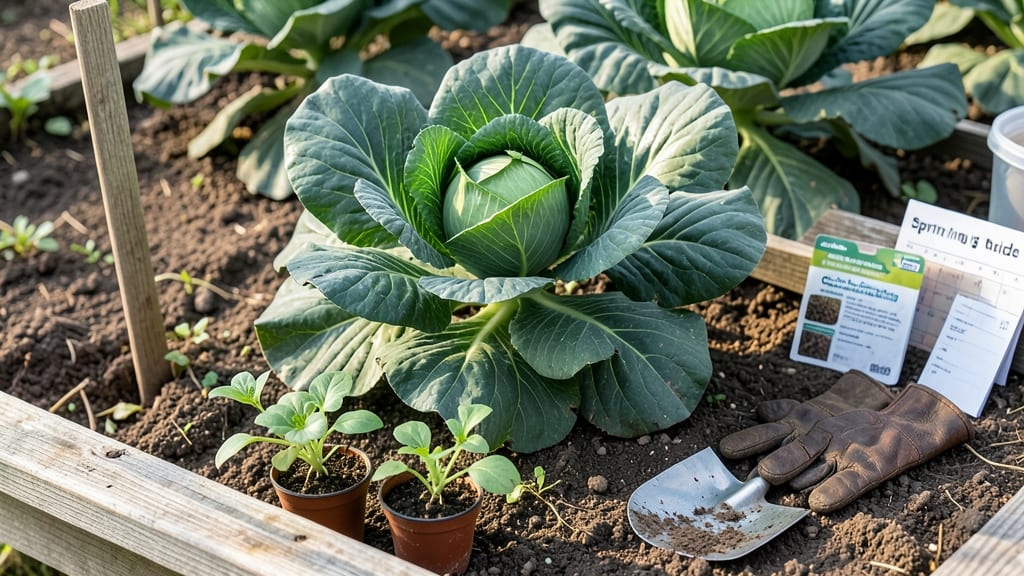
Optimal Kentucky cabbage planting dates by season (heat-tolerant varieties included)
Kentucky’s USDA Zone 6a climate means cabbage thrives best during cool spring and fall months. The key is avoiding summer heat, which causes bolting (premature flowering). My strategy? Plant in early spring and late summer using heat-resistant varieties.
For spring plantings, start seeds indoors 4-6 weeks before Kentucky’s last frost (around March 15). Transplant seedlings outdoors by April 15 for a June-July harvest. This timing ensures heads mature before summer heat sets in.
Fall plantings are equally critical. Sow seeds directly outdoors from August 1 to September 15, aiming for a harvest in October-November. This avoids the late-summer heat while still capturing Kentucky’s mild fall weather.
| Season | Planting Window | Heat-Tolerant Varieties | Harvest Time |
|---|---|---|---|
| Spring | March 15 - April 30 | 'Cavalo', 'Golden Acre' | June - July |
| Fall | August 1 - September 15 | 'Brauner Treib', 'Savoy King' | October - November |
| Late Summer (Emergency) | July 15 - August 1 | 'Early Jersey Wakefield' | September (small heads) |
My top recommendation? 'Cavalo' cabbage for spring and 'Brauner Treib' for fall. Both handle Kentucky’s 90°F+ temperatures better than traditional varieties. For example, 'Cavalo' matures in 70 days—fast enough to avoid summer stress.
If you miss the ideal windows, don’t panic. A late-July planting of quick-maturing 'Early Jersey Wakefield' can still yield small heads by September. Just accept they’ll be smaller than ideal due to heat exposure.
Pro tip: Use shade cloth (30-50%) during late May-June to protect spring plantings from unexpected heat waves. This buys you 2-3 extra weeks of growing time before bolting occurs.
For soil prep, amend beds with compost and aged manure before planting. Cabbage craves fertile, well-draining soil with a pH of 6.5-7.0. Test your soil in February—Kentucky’s clay soils often need gypsum or sulfur to adjust pH.
Remember: Consistent moisture is critical. Water deeply every 2-3 days during dry spells, aiming for 1-2 inches per week. Drought stress accelerates bolting, so mulch heavily with straw to retain moisture.
🥬
Optimal Kentucky cabbage planting dates by season (heat-tolerant varieties included)
Kentucky’s USDA Zone 6a climate means cabbage thrives in cool spring and fall seasons, but heat-tolerant varieties can handle summer challenges. Planting at the right time avoids bolting (premature flowering) and ensures firm, flavorful heads. My exact planting windows align with Kentucky’s last frost dates and heat patterns.
For spring plantings, start seeds indoors 4-6 weeks before Kentucky’s last frost (around March 15). Transplant outdoors after April 15 when soil temperatures reach 45°F+. Fall plantings should begin August 1 for a late-October harvest before frost.
| Season | Planting Window | Heat-Tolerant Varieties | Harvest Time | Key Tip |
|---|---|---|---|---|
| Spring | March 15 - April 30 | Cavalo, Golden Acre | June - July | Use row covers for late frosts |
| Summer (Heat-Tolerant) | June 15 - July 15 | Brauner Treib, Savoy King | August - September | Plant in partial shade |
| Fall | August 1 - September 15 | January King, Early Jersey Wakefield | October - November | Cover with frost cloth in October |
Spring plantings require fast-maturing varieties (60-70 days) to avoid summer heat stress. My top pick is ‘Cavalo’, which handles 75°F+ temperatures better than standard types. For summer plantings, focus on shade-tolerant types like ‘Brauner Treib’ and use mulch to retain moisture.
Fall cabbage benefits from longer daylight exposure in September, so plant 8-10 weeks before first frost (around September 15). Varieties like ‘January King’ store well and resist cold snaps. Always harden off seedlings for 7-10 days before transplanting to prevent shock.
Kentucky’s microclimates (e.g., mountain vs. bluegrass regions) can shift planting dates by 1-2 weeks. In cooler Zone 6b areas (eastern KY), extend spring plantings to May 1. For heat-prone Louisville, prioritize shade cloth during July plantings to prevent bolting.
My pro tip: Mark your calendar for April 15 (last frost) and October 15 (first frost)—these dates anchor your entire cabbage schedule. Use a planting wheel to track backward from harvest dates for foolproof timing.