
Plants
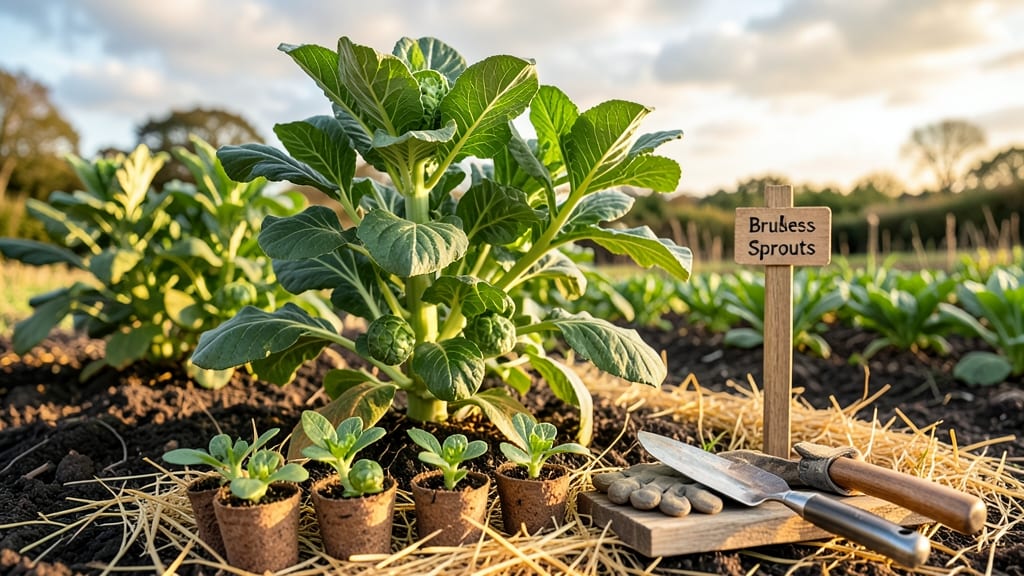
Timing is everything when it comes to growing Brussel sprouts in Missouri—plant them too early, and you risk bitter, bolted plants before harvest. The key? Matching your planting window to Missouri’s chill-hour zones (5b-6b) to ensure sweet, tender sprouts 🥦 by fall.
Most gardeners in Missouri make one of two mistakes: planting too early in March and facing heat stress, or waiting until May and missing the ideal 8-10 week growth window before frost.
But with the right strategy, you can avoid both pitfalls and enjoy a bountiful harvest from October through December.
Whether you’re starting seeds indoors for an early spring edge or direct-sowing in July for a fall crop, understanding your local chill-hour requirements is non-negotiable.
I’ll walk you through the exact planting windows for your region—whether you’re in St. Louis, Kansas City, or the Ozarks—and how to prep your soil for maximum success.
Ready to skip the guesswork? Let’s dive into the chill-hour secrets that’ll give you zero-bolt Brussels sprouts—no matter where you garden in Missouri.
Missouri’s chill-hour zones for Brussels sprouts: when to plant by region
Brussels sprouts thrive in Missouri’s USDA zones 5b-6b, but their success hinges on chill-hour accumulation—those critical hours below 45°F that trigger sweet, flavorful sprouts. Without enough chill hours, your plants may bolt prematurely, leaving you with bitter, undersized harvests.
Missouri’s three distinct microclimates—St. Louis, Kansas City, and the Ozarks—each demand slightly different planting strategies to maximize chill-hour exposure.
In St. Louis (Zone 6a), where average last frost dates hover around April 15, aim for a 300-400 chill-hour window by planting in early March. The Ozarks, cooler and higher in elevation (Zone 5b), can handle 400-500 chill hours, making late February to early March ideal.
Meanwhile, Kansas City’s Zone 6b falls between the two, with March 1-15 as the sweet spot for optimal chill-hour matching.
Missouri’s fall planting window is equally critical. For a winter harvest, seed Brussels sprouts in mid-July to early August—this gives them time to establish roots before the first frost (October 15) while still accumulating enough chill hours to mature.
In cooler Ozark regions, you can push fall planting slightly later (late July) due to their extended growing season.
| Region | USDA Zone | Chill Hours Needed | Spring Planting Window | Fall Planting Window |
|---|---|---|---|---|
| St. Louis | 6a | 300-400 | Early March | Mid-July |
| Kansas City | 6b | 350-450 | March 1-15 | Early August |
| Ozarks | 5b | 400-500 | Late February | Late July |
🌡️ Pro Tip: Use a soil thermometer to confirm 45°F+ soil temps before planting—cold soil delays germination.
Missouri’s unpredictable spring weather can derail even the best-laid plans. If you’re in Zone 6a (St. Louis) and temperatures fluctuate above 70°F for more than 3 days, your Brussels sprouts may bolt.
To mitigate this risk, opt for bolt-resistant varieties like ‘Long Island Improved’ or ‘Ruby Ball’, which tolerate slightly warmer conditions. For Ozark gardeners, focus on early planting to take full advantage of the region’s cooler springs and longer growing season.
Another critical factor is frost-free date calculations. In Missouri, the average frost-free date ranges from April 15 in St. Louis to April 1 in the Ozarks. To ensure a 90-120 day harvest window, plant your spring crop 8-10 weeks before your local frost-free date.
For example, if your frost-free date is April 20, aim to plant by February 5. Use a garden journal to track your local frost dates over the years—this helps refine your planting schedule for future seasons.
Don’t overlook soil preparation as part of your chill-hour strategy. Brussels sprouts prefer well-draining, slightly acidic soil (pH 6.0-7.0). Amend your soil with compost or aged manure in fall or early spring to improve fertility and moisture retention.
In Missouri’s clay-heavy soils (common in the Ozarks), mix in sand or peat moss to prevent waterlogging, which can stunt growth and reduce chill-hour effectiveness.
For gardeners in urban areas like Kansas City or St. Louis, container growing is a viable option. Choose large pots (12+ inches deep) to accommodate the plant’s 2-3 foot height and fill them with a lightweight potting mix.
Containers warm up faster than garden beds, so monitor soil temperatures closely and consider using row covers to extend the growing season. Urban gardeners can also take advantage of vertical gardening by training Brussels sprouts along trellises or fences to save space.
Finally, remember that chill hours aren’t just about temperature—they’re about timing. Planting too early in Missouri’s Zone 6b (e.g., late January) risks exposing seedlings to frost damage, while planting too late (e.g., mid-April) may result in insufficient chill hours before summer heat sets in.
Strike the balance by aligning your planting schedule with local weather patterns—check your almanac or agricultural extension service
Step-by-step planting calendar: from seed to harvest in Missouri
Missouri’s unpredictable spring weather makes timing critical for Brussels sprouts. Plant too early, and you risk heat stress that triggers bolting. Too late, and your harvest shrinks before winter sets in. My foolproof 12-week planting calendar aligns with Missouri’s USDA zones 5b-6b and chill-hour needs (300-500 hours below 45°F).
For spring plantings, start seeds indoors 8-10 weeks before your last frost (typically mid-March in St. Louis or late March in Kansas City). Transplant seedlings outdoors when soil reaches 45°F and nighttime temps stay above 35°F. This usually lands in early to mid-April.
For fall plantings, sow seeds directly July 15-August 15 to ensure they mature before first frost. Seedlings need 60-80 days to reach harvest size, so time it right to avoid winter’s chill. My July 1st planting in the Ozarks yields sprouts by mid-October.
📅 Step-by-Step Planting Timeline for Missouri
- March 1-15: Start seeds indoors (use grow lights for 14-16 hours/day).
- April 1-15: Harden off seedlings (acclimate to outdoor temps for 1 week).
- April 15-30: Transplant outdoors after last frost (soil temp ≥45°F). Space plants 18-24 inches apart.
- May-June: Mulch heavily to retain moisture and cool roots (critical in Missouri’s heat).
- July 15-August 15: Direct-sow fall crop (no transplanting needed).
- September-October: Harvest begins when sprouts reach 1-1.5 inches.
💡 Pro Tip: Use a soil thermometer—Brussels sprouts wilt if soil exceeds 85°F.
Missouri’s microclimates demand flexibility. In Kansas City’s warmer zone 6b, push spring planting to late March to avoid early heat. In the cooler Ozarks (zone 5b), start seeds indoors by February 15 for an earlier harvest. Always account for 10-14 days of cold snaps.
Companion planting boosts yields in Missouri’s pest-prone gardens. Pair Brussels sprouts with bush beans (fixes nitrogen) or celery (deters cabbage moths). Avoid planting near tomatoes—they compete for nutrients and attract the same pests. My July plantings near dill repel aphids naturally.
Harvest timing is just as critical as planting. In Missouri, fall crops mature October-December, while spring crops often bolt before producing. Start harvesting the lowest sprouts first when they’re 1-1.5 inches and bright green. Leave 4-6 inches between harvests to encourage new growth.