
Plants
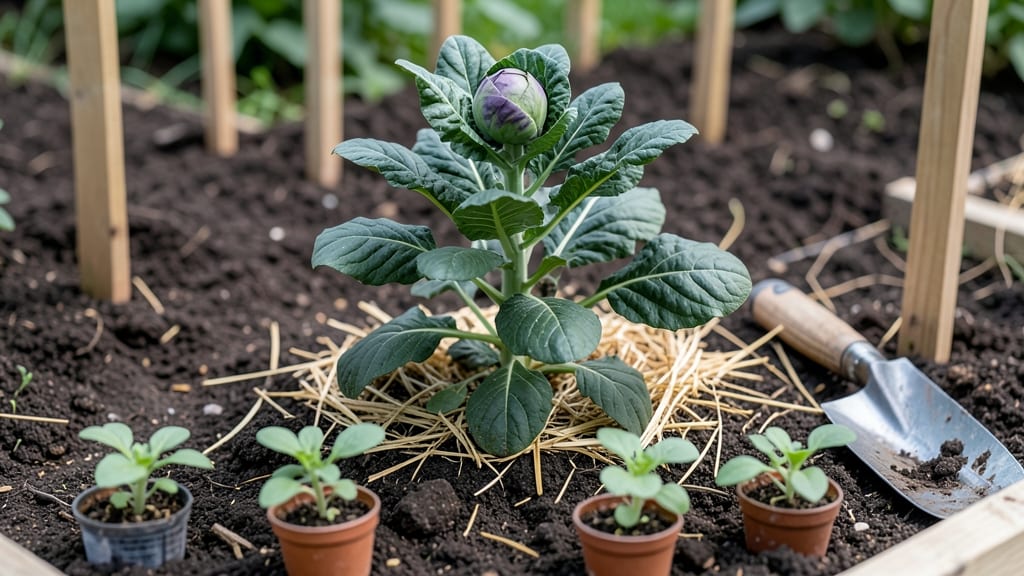
Timing your Brussel sprouts 🥦 planting in Kansas isn't just a suggestion—it's the difference between a bumper crop and a bitter harvest. With USDA zones 5b-7a and unpredictable weather swings, getting the window right means sweet, plump sprouts instead of tough, woody ones.
Most gardeners in Kansas swear by two key planting windows: mid-April to early May for spring starts and late July to early August for fall harvests.
But here's the catch—planting too early in spring can trigger bolting (those bitter-tasting sprouts), while late summer starts need extra care to avoid heat stress.
I'll break down exactly when to plant based on your region, which varieties handle Kansas' heat best, and how to stretch your growing season with simple tricks like row covers. No more guessing—just proven strategies for maximum yield in your garden.
Ready to turn your Kansas garden into a Brussel sprouts powerhouse? Let's dive into the frost-free window that works for your specific zone and variety—so you can harvest from October through December without a hitch.
Kansas frost dates and ideal planting windows for Brussel sprouts by region
Kansas gardeners know timing is everything when growing Brussel sprouts. The state's USDA Zones 5b-7a create a unique climate where fall planting dominates, but spring options exist for patient growers.
The key is understanding your last frost dates, which vary dramatically from Wichita (Zone 7a) to Hays (Zone 5b).
For fall harvests, aim to plant 8-10 weeks before your first frost. In most of Kansas, this means late July to early August for a October-November harvest.
Spring planting is trickier—mid-April to early May works only in southern Kansas, while northern regions should wait until late May to avoid bolting from early heat.
Here's how Kansas cities compare for Brussel sprout planting:
| Region | USDA Zone | Avg Last Frost | Spring Planting | Fall Planting |
|---|---|---|---|---|
| Wichita | 7a | April 5 | Mid-April | Late July |
| Kansas City | 6a | April 15 | Late April | Early August |
| Topeka | 6b | April 10 | Late April | Early August |
| Hays | 5b | May 5 | Late May | Mid-August |
Northern Kansas gardeners should focus on fall planting—spring attempts often fail due to heat stress. The 165-day frost-free window in most of Kansas gives you just enough time for one solid harvest if you time it right.
For successive harvests, consider succession planting with 4-6 week intervals in late summer.
Pro tip: Use row covers or low tunnels to extend your fall season by 2-3 weeks. This lets you plant 2-3 weeks earlier than the table suggests, giving you an earlier harvest before hard frosts hit. Just remove covers during the day to prevent heat buildup.
Soil temperature matters too—Brussel sprouts need 40-85°F soil. In Kansas, this means waiting until soil warms to 50°F in spring or planting when daytime temps drop below 80°F in summer. Test your soil with a soil thermometer for accuracy.
Remember: Early planting in spring risks bolting, while late planting in fall may not mature before frost. Balance is key—aim for mature plants by September to ensure a sweet harvest before winter sets in.
For city-specific advice, check the Kansas State University Extension frost date maps. Their localized data can adjust your planting by 1-2 weeks depending on microclimates in your area.
Best Brussel sprout varieties for Kansas gardens and their planting adjustments
Not all Brussel sprout varieties handle Kansas' heat and short growing season equally. Choosing the right type can mean the difference between a sweet harvest and bitter, woody sprouts. In Kansas, I recommend focusing on cold-hardy varieties that tolerate late summer heat while still maturing before frost.
The Long Island Improved variety is my top pick for Kansas gardens—it thrives in cool fall weather and resists bolting better than most. For earlier harvests, try Jade Cross, which matures in just 85 days and handles moderate heat better than traditional types.
Here’s how to match varieties to Kansas’ planting windows:
Variety Comparison for Kansas
🌱 Long Island Improved
- Pros: Cold-hardy, 90-100 day maturity, sweet flavor
- Cons: Needs cool nights to avoid bolting
- Best for: Fall planting (late July-August)
🌿 Jade Cross
- Pros: 85-day maturity, heat-tolerant, compact
- Cons: Slightly smaller sprouts
- Best for: Early fall starts (early August)
🍂 Ruby Ball
- Pros: Purple sprouts, 95-day maturity, bolting-resistant
- Cons: Needs rich soil for best flavor
- Best for: Northern Kansas (Zone 5b)
For spring planting in southern Kansas (Zones 6a-7a), Ruby Ball is a great choice—its bolting resistance lets you plant as early as mid-April without risking bitter sprouts. However, in northern Kansas (Zone 5b), stick to fall planting with Long Island Improved to avoid heat stress.
Adjust your planting timeline by 1-2 weeks based on variety. For example, Jade Cross can be planted 2 weeks earlier than Long Island Improved because it matures faster. Always check the seed packet for exact days-to-maturity and adjust your fall planting date accordingly.
Heat is the biggest enemy of Brussel sprouts in Kansas. If daytime temps exceed 85°F during planting, use shade cloth or plant in partial shade until soil cools. This simple trick can extend your planting window by 1-2 weeks in late summer.
Pro tip: Save seeds from your best Brussel sprout plants for next year! Kansas gardeners often find localized varieties adapt even better to their microclimate over time. Just let a few sprouts go to seed in your garden—it’s free insurance against bolting in future seasons.