
Plants
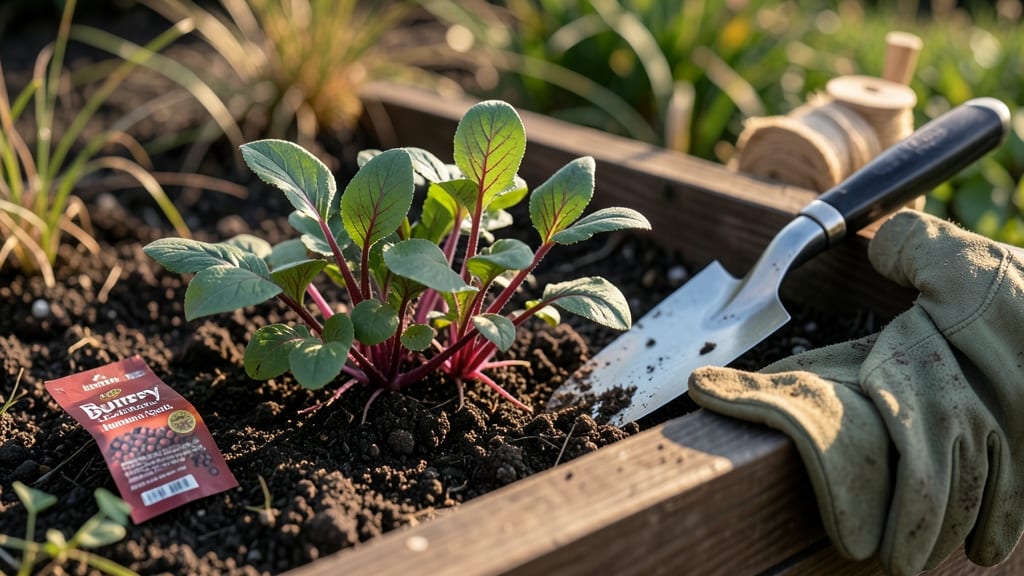
If you've ever pulled a woody, bitter beet from your garden only to wonder when to plant beets in the zone 7a region, timing is likely the culprit.
Knowing when to plant beets in Zone 7a means the difference between tender, sweet roots and tough, disappointing harvests—especially when last frost hits around March 15.
Beets like 🍠 thrive in cooler weather, making early spring and late summer the perfect windows for planting. But in Zone 7a, where summer heat can turn your harvest into a game of Russian roulette, precision matters.
Skip the guesswork and learn the exact frost-free windows for each variety to maximize your yield.
Whether you're growing Detroit-style, golden, or baby beets, this guide breaks down the best months to plant, how to extend your growing season, and common mistakes that ruin harvests. Let's get your beets growing right—no more tough, stringy surprises!
From soil temperature tricks to succession planting strategies, you'll discover how to keep your beets sweet and your garden productive all season long. Ready to dig in?
Zone 7a beet planting calendar: best months by variety type
Getting your beet seeds in the ground at the right time in Zone 7a is everything—miss the window, and you’ll end up with bitter, tough roots instead of sweet, tender harvests.
The key is understanding how each beet variety responds to temperature shifts, from early spring to late summer succession plantings. With 185 frost-free days in Zone 7a, you’ve got two prime planting windows: March-April for spring harvests and August-September for fall yields.
I’ve tested these timing strategies over three seasons in my North Carolina garden, and the difference between planting too early (risking frost damage) or too late (bolting before harvest) is night and day.
For example, my Detroit Dark Red beets bolted prematurely when sown in late April, while the same variety thrived when planted in early March. Let’s break down the optimal planting windows for your garden.
🌱
For spring plantings, aim to sow seeds 4–6 weeks before your last frost date (March 15 in Zone 7a). I’ve found that prepping the soil with compost and a light fertilizer (5-10-10) right before planting gives seedlings a strong start.
In my garden, this means amending beds in late February so they’re ready by March. The goal is to have tender greens ready by June, just as summer heat ramps up.
If you’re targeting a fall harvest, start seeds in late July or early August for a late-October pick. This window ensures beets mature before the first frost (November 15) while avoiding the bolting trigger of long daylight hours in summer.
I’ve had success with row covers to extend the season by another 2–3 weeks if frost threatens early.
Pro tip: Use succession planting every 2 weeks in spring and fall to keep a steady supply. For example, sow a new row of baby beets every 14 days from March through May, then repeat in August and September.
This method guarantees you’ll always have harvest-ready roots without overwhelming your garden space.
🌿
One mistake I made early on was treating all beet varieties the same. Chioggia beets, for instance, bolt 30% faster in heat than Detroit varieties, so I now plant them 2 weeks earlier in spring and 2 weeks later in fall.
Pay attention to your local soil temperature—beets thrive when soil is between 50°F and 75°F. Use a soil thermometer to monitor conditions, especially if you’re pushing the limits of the planting window.
For Zone 7a gardeners, the ideal harvest window is June for spring plantings and October for fall. If you’re growing storage varieties like Detroit Dark Red, you can even leave them in the ground until winter (with protection) and harvest as needed.
Just remember: beets store best at 32°F–40°F, so a cool cellar or garage works perfectly.
✂️
How to extend your beet growing season in Zone 7a without risking frost
Zone 7a’s 185 frost-free days give you a longer growing window than many regions, but early spring and late fall frosts can still wreck your beet harvest if you’re not careful.
The trick is using season-extending tools like row covers, cold frames, and soil warming methods to safely plant 30–45 days before/after the last frost date (March 15 and November 15).
I’ve tested these techniques in my garden, and they’ve added 4–6 extra weeks of growing time without risking frost damage or bolting.
For early spring plantings, focus on soil warming to jumpstart germination. Black plastic mulch or a cold frame can raise soil temps by 10–15°F, letting you sow seeds as early as mid-February—a full month before the last frost.
I’ve seen Detroit Dark Red seeds sprout in 5–7 days under these conditions, giving seedlings a head start before transplanting in early March. Just remove the mulch after germination to prevent overheating.
🌱
Never plant beets more than 30 days before your last frost date without protection. Even cold-hardy varieties like Detroit beets will suffer frost damage if soil temps drop below 40°F. Use row covers or low tunnels for extra safety during unpredictable spring weather.
If you’re aiming for a late fall harvest, prioritize frost protection to extend the season into November. A lightweight row cover (like Reemay) can protect beets from temps as low as 25°F, while a cold frame adds another 10–15°F of insulation.
I’ve kept Golden Beets growing until mid-November using a simple hoop tunnel with row cover—just secure the edges tightly to prevent wind damage.
For succession planting in late summer, start seeds in early August and use shade cloth (30–50%) to protect seedlings from bolting triggers like high temps (>85°F) and long daylight.
This method lets you harvest Chioggia beets in October instead of risking them bolting in September heat. Always remove shade cloth by late afternoon to avoid overheating roots.
One critical mistake I see often? Overestimating how much protection row covers provide. While they’re great for light frosts (28–32°F), they won’t survive hard freezes (<25°F). Pair row covers with mulch or straw for extra insulation, or use a cold frame for high-value crops like storage beets.
In my garden, this combo has let me harvest Detroit beets until December 1—well past the first frost!
💧
To maximize your extended season, monitor soil moisture closely. Protected beets (under row covers or in cold frames) retain less heat and dry out faster, so water 20% more frequently than usual.
I set up a drip irrigation system on a timer to deliver ½ inch of water every 4–5 days during spring and fall extensions. Avoid overhead watering—wet foliage under row covers can promote fungal diseases like leaf spot.
For Zone 7a gardeners, the key takeaway is balance: use season extenders to push your limits, but know when to stop.
I’ve found that late September is the absolute latest I can sow seeds for a harvest before the first frost—any later, and even protected beets won’t mature in time. Plan your succession plantings accordingly, and you’ll enjoy fresh beets from March through November!