
Plants
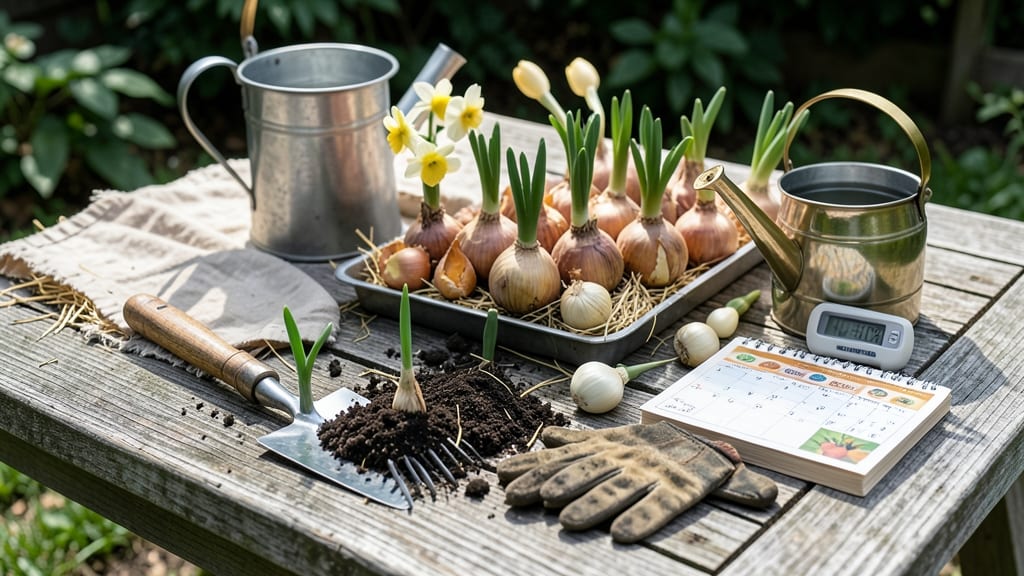
Planting bulbs at the wrong time in North Carolina’s shifting climate can turn your garden dreams into a wasted effort—but getting the timing right guarantees a burst of color that’ll make your neighbors jealous.
Whether you’re in the cooler 6a mountains or the milder 8a coast, knowing exactly when to tuck those 🌱 bulbs into the soil is the key to success.
Fall planting (October–November) is your golden window for most bulbs, but early spring (February–March) works too—if you play by the rules. The trick? Planting 6–8 weeks before the first hard frost ensures roots establish before winter’s chill sets in.
Skip this step, and you might end up with floppy stems or no blooms at all.
Here’s the game-changer: North Carolina’s zones mean your timing varies by region. Coastal areas can plant later, while the Piedmont and Mountains need to act sooner.
I’ll break down the exact months for zero frost risk, plus which bulbs thrive where—so you can skip the guesswork and start planning your spring showstopper.
Ready to transform your yard into a blooming paradise? Let’s dive into the zone-specific schedule that’ll have your bulbs popping up right on schedule—no matter where you garden in the Tar Heel State.
North Carolina planting zones: when to plant bulbs by month for zero frost risk
North Carolina’s diverse climate—spanning USDA zones 6b to 8a—means bulb planting windows vary dramatically from the Coastal Plain to the Mountains. In Zone 6b (e.g., Asheville), the last frost typically hits around March 15, while Zone 8a (e.g., Wilmington) sees frost as late as February 15.
This variability makes timing critical for bulbs like tulips and daffodils that need 6-8 weeks to establish roots before winter.
For reliable blooms, aim to plant most bulbs 6-8 weeks before the first hard frost. In Zone 7a (Raleigh/Durham), that’s mid-October to early November.
Coastal areas like Zone 8a can plant slightly later—late November to December—while Zone 6b gardeners should start as early as September for high-altitude safety.
Early spring plantings (February–March) work for winter-hardy bulbs like crocuses and snowdrops, but avoid this for tender bulbs (e.g., dahlias) unless you’re in Zone 8a or using containers for mobility.
Soil temperature is just as critical as calendar dates. Bulbs need soil temps below 60°F to root properly. Use a soil thermometer in September to confirm readiness—especially in urban heat islands where pavement delays cooling.
Here’s your zone-specific planting guide, including frost probabilities and ideal bulb types for each region:
| Zone | Region | Ideal Planting Window | Last Frost Date | Best Bulbs |
|---|---|---|---|---|
| 6b | Mountains (Asheville, Boone) | Mid-September to early November | March 15 | Tulips, Daffodils, Hyacinths |
| 7a | Piedmont (Raleigh, Greensboro) | Late September to mid-November | March 1 | Crocuses, Snowdrops, Alliums |
| 7b | Coastal Piedmont (Fayetteville) | October to late November | February 28 | Daffodils, Grape Hyacinths |
| 8a | Coastal (Wilmington, Morehead City) | Late November to December | February 15 | Tender bulbs (Dahlias, Cannas) |
Pro tip: Use NC State Extension’s frost maps to double-check your local averages. For example, Asheville’s Zone 6b frost risk drops below 10% by April 15, while Wilmington’s Zone 8a rarely sees frost after January 15.
This data helps you adjust planting for early bloomers like crocuses (plant in October) versus late tulips (plant in November).
For high-altitude gardens (e.g., Blue Ridge Parkway), add 2-3 weeks to planting times to account for cooler microclimates. Conversely, urban heat islands (e.g., Charlotte’s downtown) may need earlier plantings to avoid soil staying too warm.
Always plant bulbs 3x their height deep and 2x their width apart for optimal airflow. In clay-heavy Piedmont soil, amend with compost or sand to prevent rot, while sandy Coastal Plain soil benefits from organic matter to retain moisture.
🌱
How to adjust planting times for North Carolina’s microclimates and soil conditions
North Carolina’s microclimates can throw off even the best-laid planting plans. For example, Asheville’s mountainous terrain stays cooler than Charlotte’s urban heat islands by up to 5°F—meaning your Zone 7a neighbor might plant in November while you need to start in October to avoid soil staying too warm.
High-altitude gardens (above 3,000 feet) often experience earlier frosts, so adjust planting 2-3 weeks earlier than your zone’s average.
Soil type plays an equally critical role. Clay-heavy Piedmont soil drains poorly and can cause bulb rot if planted too deeply or without amendments. Mix in compost or coarse sand to improve drainage before planting.
Meanwhile, sandy Coastal Plain soil dries out quickly—mulch with pine straw or shredded leaves to retain moisture during North Carolina’s dry winters.
Here’s how to troubleshoot common timing mistakes. Planting too early (before September) risks premature sprouting from warm soil, while planting too late (after November) leaves bulbs vulnerable to winter heaving. Use these adjustments:
Avoid these timing traps:
- Urban heat islands: Soil stays 10°F warmer than rural areas—plant 3-4 weeks earlier.
- High-altitude gardens: Frost arrives 2 weeks sooner—plant tulips and daffodils by mid-October.
- Sandy soil: Bulbs dry out faster—water deeply after planting and mulch heavily.
- Clay soil: Amend with compost or sand to prevent rot; plant shallower (2x height instead of 3x).
For Zone 7a and 8a gardeners, container growing is a game-changer. Move tender bulbs like dahlias indoors before November 15 to extend the growing season. Use well-draining pots with cactus/succulent mix to prevent soggy roots.
In Zone 6b, protect newly planted bulbs with frost blankets after the first 25°F night—especially for hyacinths, which are less cold-hardy than daffodils.
Test your soil’s moisture retention before planting. Dig a 6-inch hole, fill it with water, and time how long it takes to drain. If water pools after 2 hours, amend with perlite or vermiculite.
For sandy soil, add peat moss to boost water-holding capacity. This simple test saves bulbs from drought stress or rot.
Finally, mulch thickness matters. Apply 3-4 inches of straw or shredded leaves after planting to insulate bulbs from temperature swings. In Zone 6b, add an extra 2 inches of mulch to protect against freeze-thaw cycles.
Remove mulch in early spring (before shoots emerge) to prevent fungal diseases.
🌿