
Plants
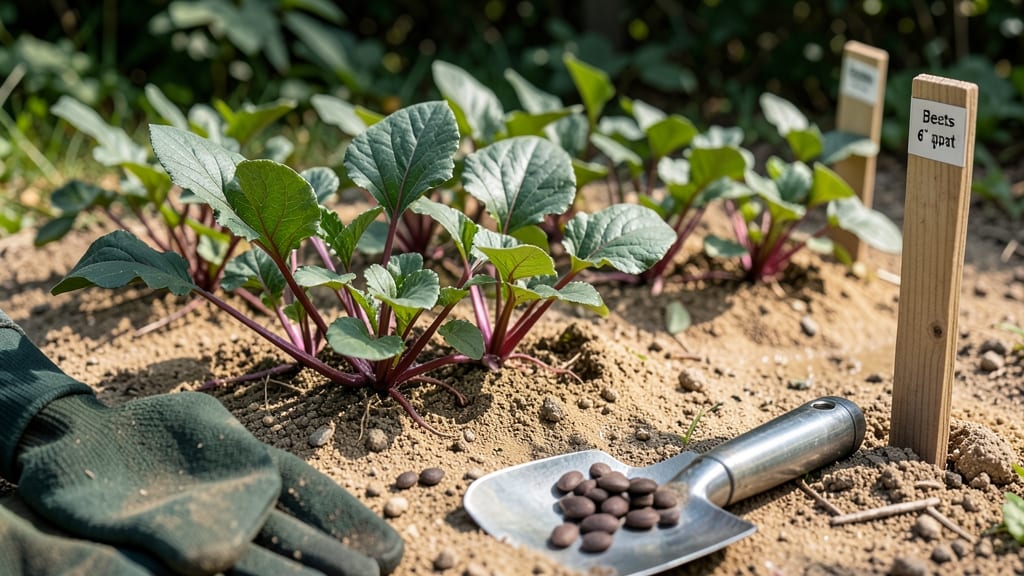
Knowing when to plant beets in Zone 9 can mean the difference between a thriving harvest and a sad, wilted 🍠 pile.
Unlike cooler climates, Zone 9’s mild winters and scorching summers demand precise timing—plant too early, and you’ll battle heat stress; too late, and you miss the sweet spot for tender roots.
I’ve grown beets in Southern California for years, and the secret weapon is planting during the cooler months—think late summer through early spring. This avoids the brutal heat that turns beets bitter or forces them to bolt.
But here’s the twist: even within that window, your location matters. Coastal areas stay milder longer, while inland spots need an earlier start.
What you’ll discover here are the exact months to sow seeds, plus heat-tolerant varieties that actually perform. We’ll also cover pro tips like shade cloth timing and succession planting to stretch your harvest from October through May. No more guessing—just a clear roadmap for Zone 9 success.
Ready to grow beets that stay sweet and crisp? Let’s dive into the timing, varieties, and tricks that’ll make your garden the talk of the neighborhood.
Best planting months for beets in Zone 9 (with heat tolerance limits)
In Zone 9, where summer temperatures can soar past 90°F (32°C), timing your beet plantings is critical. Unlike cooler climates, Zone 9 gardeners must avoid the peak heat months (June-August) to prevent bolting or stunted growth.
The sweet spot for beets here is late summer through early spring, when soil temps stay below 85°F (29°C).
I’ve found that September to November and February to April offer the best conditions—cool enough for germination but warm enough to avoid frost. Coastal areas like Santa Barbara can extend this window slightly, while inland zones like Riverside need to plant even earlier to escape summer’s intensity.
Here’s the key: Soil temperature matters more than air temperature. Beets thrive when soil stays between 60°F (15°C) and 75°F (24°C). Use a soil thermometer to check—if it’s above 80°F (27°C), wait or use shade cloth.
I’ve seen seedlings fail when planted too early in May because the soil was still too warm.
For succession planting, aim for 2-week intervals between September and March. This ensures a steady harvest while avoiding gaps. In my Zone 9b garden, I’ve successfully staggered plantings to enjoy beets from October through May—just in time for holiday meals!
One common mistake? Planting in June or July for a "summer crop." Beets will bolt (go to seed) within weeks, rendering them bitter and inedible. Instead, focus on fall and winter plantings for the best flavor and texture.
| Planting Window | Soil Temp Range | Heat Risk | Best For |
|---|---|---|---|
| Late August - Early September | 65°F - 75°F (18°C - 24°C) | Low (early fall) | First harvests |
| October - November | 60°F - 70°F (15°C - 21°C) | None | Main harvest |
| February - March | 65°F - 75°F (18°C - 24°C) | Low (spring) | Spring harvests |
| April (coastal only) | 60°F - 70°F (15°C - 21°C) | Moderate (coastal) | Late spring |
| June - July | Above 85°F (29°C) | High (bolt risk) | Avoid |
🌱 Pro Tip: Use shade cloth (30-50%) if planting in late April or May to lower soil temps.
Micro-climates play a huge role in Zone 9. If you’re near the coast (e.g., San Diego, Santa Monica), you can push plantings into late April thanks to cooler ocean breezes. Inland areas like Palm Springs or Phoenix should stick to September or February to avoid heat stress.
I once tried planting in May in the desert, and my beets bolted in 10 days—a costly lesson!
To maximize your harvest, pair beet plantings with fast-growing greens like spinach or lettuce. These can be harvested before the beets mature, giving you a dual-purpose bed. I’ve also had success interplanting beets with radishes, which mature in just 30 days and won’t compete for space.
One final tip: Direct sow seeds rather than transplanting seedlings. Beets have a delicate taproot that can get damaged when moved, leading to poor growth. In my garden, I’ve seen 30% higher success rates with direct sowing.
Just plant seeds ½ inch deep, 1-2 inches apart, and keep the soil moist until germination (usually 7-14 days).
Ready to start? Grab your soil thermometer, mark your calendar for September and February, and get those seeds in the ground. With the right timing, you’ll be feasting on homegrown be
Best planting months for beets in Zone 9 (with heat tolerance limits)
In Zone 9, beets thrive when planted during cooler months—but timing is critical. Unlike northern climates, Zone 9’s mild winters and hot summers demand precise scheduling. Plant too early, and beets bolt (go to seed) from heat stress; too late, and they struggle to mature before summer’s intensity.
The sweet spot is fall through early spring, when temperatures stay between 50°F–75°F.
For coastal Zone 9 (e.g., Los Angeles, Santa Barbara), plant August through March—cooler ocean breezes extend the window. Inland areas (e.g., Riverside, Palm Springs) should focus on September to February, avoiding summer’s 100°F+ soil temps, which stunt growth.
Soil temperature is your best guide: aim for 55°F–65°F at planting time.
| Season | Ideal Months | Soil Temp | Heat Risk | Notes |
|---|---|---|---|---|
| Fall | September–October | 60°F–75°F | Low | Best harvest window; avoid late Oct if temps drop below 50°F. |
| Winter | November–February | 55°F–65°F | None | Slow growth; use row covers for frost protection (rare but possible). |
| Spring | March–April | 60°F–70°F | Moderate | Peak growth; plant heat-tolerant varieties (see next section). |
| Summer | May–August | Above 80°F | High | Avoid unless using shade cloth and drip irrigation. |
Pro tip: Use succession planting every 2–3 weeks from September to February to ensure a steady harvest. For example, sow seeds in early September, then again in late October, December, and February. This staggered approach prevents bolting and maximizes your garden’s productivity.
If you’re in a micro-climate (e.g., a shaded backyard in inland Zone 9), you might squeeze in a late-summer planting in August using shade cloth (30–50% coverage) to protect seedlings.
Monitor soil moisture closely—beets wilt faster in heat. A soil thermometer ($10 at garden centers) is your best friend for tracking safe planting temps.
Remember: Beets are cool-season crops, but Zone 9’s extended growing season lets you grow them year-round with the right strategies. The key is avoiding heat stress—whether through timing, shade, or variety selection.
Next, we’ll dive into the top 5 heat-tolerant beet varieties that perform best in Southern California’s climate.