
Plants
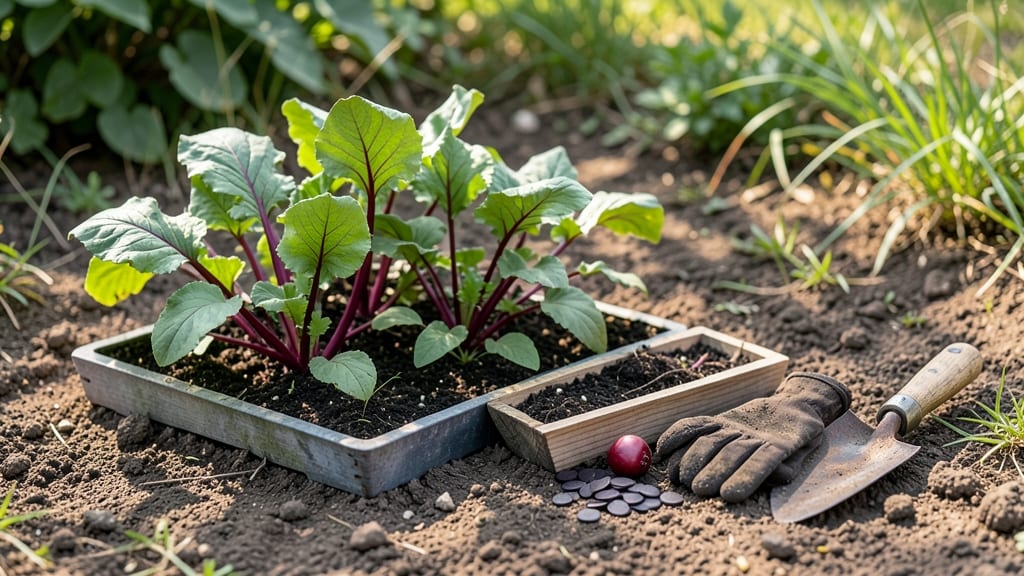
Timing your 🟣 beet planting in Maine isn’t just about the calendar—it’s about outsmarting the climate to avoid bitter, bolted greens.
With Zone 5b-6b frost dates swinging wildly from mid-April to early May, getting those seeds in the ground at the right moment means the difference between a sweet harvest and wasted effort.
Most gardeners assume spring is the only window, but Maine’s short growing season actually gives you two prime chances: early spring (March–April) and late summer (July–August). The key? Planting when soil temps hit 45°F—cold enough to prevent bolting but warm enough for steady germination.
I’ll show you exactly how to nail those dates, plus how to stretch your harvest with succession planting.
Why does this matter? Because beets left too long in hot weather turn woody, and those planted too late risk frost before they mature. In my years growing 🟣 beets here, I’ve learned the 3 biggest mistakes Maine gardeners make—and how to avoid them.
Let’s dive into the exact timeline that’ll keep your roots tender and your garden thriving.
You’ll discover when to direct-sow vs. start indoors, how to read Maine’s microclimates, and which beet varieties handle our unpredictable springs best. Ready to grow beets that stay sweet from June through October? Let’s get started.
Maine’s optimal beet planting windows: avoid bolting in cold or heat
Maine’s short growing season and unpredictable frost dates demand precise timing for beet planting. Miss the window, and you’ll end up with bolted greens or woody roots—neither of which are desirable. The key is planting when soil temps hit 40°F and staying ahead of summer’s heat, which triggers bolting.
For most of Maine (USDA Zones 5b-6b), the primary planting window runs from mid-April to early May for spring harvests. This aligns with your last frost date, which typically falls between mid-April and early May, depending on your microclimate.
Coastal areas like Portland may see earlier dates, while inland spots like Presque Isle could face delays.
But here’s the catch: beets also thrive in late summer for a fall harvest. Aim to sow seeds between July 15 and August 15, giving them 60-70 days to mature before the first frost.
This second window is your secret weapon for continuous harvests and avoiding the summer heat that causes bolting.
🌱
| Planting Window | Soil Temp | Days to Harvest | Harvest Months | Maine-Specific Notes |
|---|---|---|---|---|
| Mid-April to Early May | 40-50°F | 50-60 days | June - August | Best for early harvest; use row covers if frost lingers. |
| July 15 - August 15 | 50-60°F | 60-70 days | September - October | Avoid summer heat; plant in partial shade if temps exceed 80°F. |
| Late August (for cold frames) | 45-50°F | 70-80 days | October - November | Extend season with cold frames; harvest before hard frost. |
To pinpoint your exact planting dates, calculate your average last frost date using Maine’s historical data. The University of Maine Cooperative Extension provides county-specific frost charts—bookmark this for future reference! For example, Bangor gardeners can plant 2 weeks earlier than those in Caribou due to warmer coastal temps.
Pro tip: Use a soil thermometer to confirm temps before planting. Beets won’t germinate well in cold, wet soil, so wait until the ground warms to at least 40°F.
If you’re eager to start early, consider a cold frame or row cover to jumpstart germination in late March—just remove the cover once sprouts appear to avoid overheating.
Bolting is your biggest enemy in Maine’s climate, and it’s triggered by heat stress or long daylight hours. To prevent it, avoid planting beets when daytime temps exceed 80°F for more than a week.
If you must plant in summer, choose shade-tolerant varieties like ‘Detroit Dark Red’ and provide afternoon shade with a floating row cover or garden fabric.
For continuous harvests, stagger your plantings every 2-3 weeks between April and August. This ensures you’re always pulling fresh beets while avoiding the bolting window of late June through July.
Just stop planting by mid-August to give your beets enough time to mature before the first frost hits in mid-October.
🌿
How to extend beet season in Maine: succession planting for continuous harvests
If you want 🟣 beets from June through October in Maine, succession planting is your secret weapon. The key is spacing out your plantings every 2-3 weeks during the growing season.
This ensures a steady supply of tender roots while avoiding the pitfalls of planting all at once—like bolting from heat or frost damage.
In my garden, I’ve found that starting with early spring sowings (March–April) and following up with late summer batches (July–August) gives me a harvest window of 5+ months.
For best results, aim to plant new batches every 14-21 days until early August. After that, your beets won’t have enough time to mature before Maine’s first frost (mid-October).
Use a simple spacing chart to visualize your planting schedule—this helps avoid overcrowding and ensures each batch gets enough sunlight and nutrients. I’ll show you how to map it out below.
Here’s the golden rule: Stop planting by mid-August in most of Maine. Beets sown after this typically bolt before they reach harvest size due to shortening daylight.
However, if you’re in a warmer microclimate (like coastal areas), you might squeeze in one more planting in early September—but be prepared to protect them with row covers if frost threatens.
To maximize space, use the square foot gardening method for beets. Plant them in 3-inch squares with other compatible crops like lettuce or radishes (they mature faster and don’t compete for space). This way, you can fit 16 beet plants per square foot—perfect for small gardens or containers. Just
Protecting your late-season beets is crucial. If you’re planting after July 20, use floating row covers or a cold frame to extend the season by 2-3 weeks. I’ve had success with ‘Golden’ beets under row covers—they stay sweet longer and resist bolting better than other varieties in cooler temps. Just remove the cover on warm days to prevent overheating.
Finally, keep a harvest journal to track which plantings yield the best results. Note the soil temperature, rainfall, and any pests you encounter. Over time, you’ll refine your schedule to match your specific microclimate—whether you’re in Portland’s milder coastal zone or Bangor’s colder inland area.
With this approach, you’ll enjoy fresh, homegrown beets for nearly half the year!