
Plants
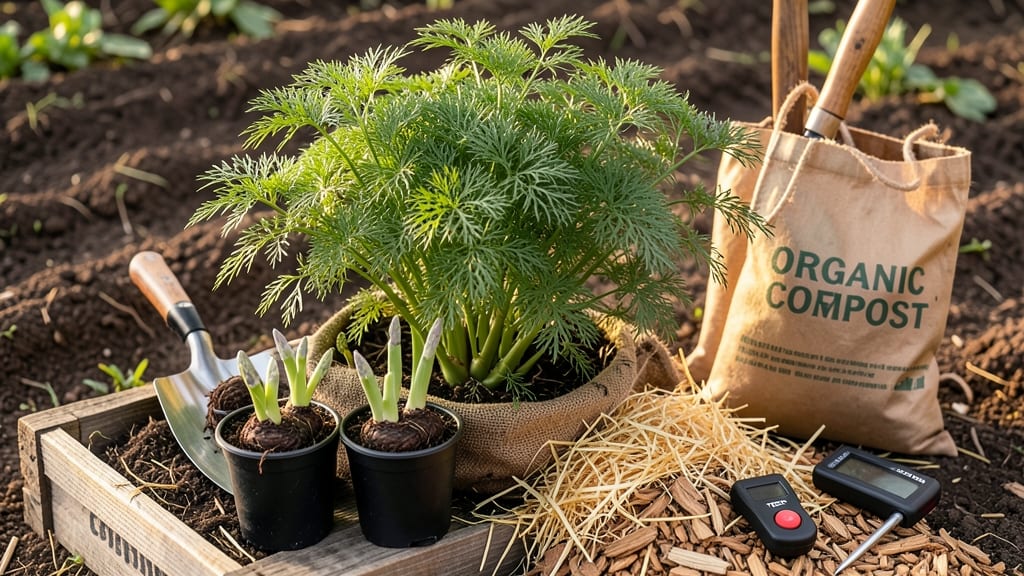
Planting asparagus in Florida isn’t just about picking a random month—it’s about syncing with your microclimate to unlock bigger harvests and avoid wasted effort. The perfect window (October through February) lets you bypass summer heat stress while giving roots time to establish before spring growth explodes.
Here’s the game-changer: North Florida’s cooler winters mean you can plant as early as October, while South Florida’s mild winters push the ideal window into January-February to dodge early heat. Skip these timelines, and you’ll end up with stunted spears or plants struggling to recover.
What most Florida gardeners miss? Soil temperature matters more than air temperature—your asparagus crowns need 60°F soil to root properly. I’ll show you how to test it and adjust for your specific zone, whether you’re in the Panhandle or the Keys.
Ready to grow asparagus that thrives year after year? Let’s break down the exact steps for your Florida microclimate—so you can go from planting to harvest with confidence, not guesswork.
Florida asparagus planting zones: best months by region
Florida’s asparagus planting window depends heavily on your microclimate. Unlike northern states, Florida’s USDA Zones 9a-11 allow for year-round growth—but timing still matters to avoid heat stress or frost damage. Let’s break down the optimal planting months for North, Central, and South Florida.
North Florida (Zones 8a-9a) has cooler winters and occasional frost, making early spring (March-April) or fall (October-November) the safest bets. Central Florida (Zones 9b-10a) can plant year-round, but winter months (December-February) offer ideal soil temps. South Florida (Zones 10b-11) thrives with fall (September-October) or early winter (November) plantings.
Here’s a quick reference for your region’s ideal planting window, soil conditions, and microclimate considerations:
| Region | Best Planting Months | Soil Temp | Microclimate Notes |
|---|---|---|---|
| North Florida (Jacksonville, Gainesville) | March-April or October-November | 50-70°F | Avoid frost (last frost: Jan 15). Use mulch for winter protection. |
| Central Florida (Orlando, Tampa) | Year-round (best: Dec-Feb) | 60-80°F | High humidity; improve drainage. Urban areas may need shade cloth in summer. |
| South Florida (Miami, Fort Lauderdale) | September-October or November | 70-85°F | Watch for hurricane season (June-Nov). Coastal wind exposure requires staking. |
For North Florida, aim to plant asparagus crowns 6-8 weeks before the last expected frost (typically by March 1). This gives roots time to establish before soil warms. In Central Florida, where frost is rare, focus on December-February to align with natural rainfall patterns and cooler temps.
South Florida gardeners should avoid summer planting due to extreme heat and humidity. Instead, opt for fall (September-October) when temps drop below 90°F. Coastal areas may need windbreaks or raised beds to prevent salt spray damage during storms.
Pro tip: Use a soil thermometer to confirm temps are 50-70°F at 4 inches deep before planting. If your soil runs hotter (common in sandy Florida soils), amend with compost or peat moss to retain moisture and cool roots.
Remember, asparagus is a perennial crop—once established, it can produce for 15+ years. Choosing the right planting window now means decades of harvests with minimal effort. Start with healthy 1-year-old crowns from reputable nurseries, and you’ll be feasting on homegrown spears in just 2-3 years.
🌱
Signs your Florida soil and climate are ready for asparagus
Before you dig in, check for these three critical signs that your Florida soil and climate are primed for asparagus. Skipping these steps often leads to poor root establishment or heat stress—especially in South Florida’s humidity or North Florida’s sandy soils.
First, your soil temperature must hit 60°F (15°C) at least 6 inches deep. Use a soil thermometer to test—cool mornings in October-November are ideal, while summer soil can exceed 90°F (32°C), which stalls growth. I’ve seen gardeners plant in May and watch their crowns rot within weeks.
Next, monitor your local rainfall patterns. Asparagus needs moderate moisture but hates soggy roots. If your area gets 4+ inches of rain weekly (common in summer), plant in dry trenches or use raised beds to prevent waterlogging.
South Florida’s wet season (June-October) makes fall planting riskier unless you amend soil with organic matter.
Don’t overlook microclimate factors. Urban areas like Orlando can be 10°F warmer than rural zones due to heat islands, while coastal regions near Tampa experience salty winds that stress young plants.
Test your spot’s wind exposure—if gusts exceed 10 mph, plant near a windbreak like bamboo or shrubs.
Here’s my pro tip: Time planting with your local first frost date. North Florida’s last frost is around January 15, so aim for October-November plantings. South Florida rarely sees frost, but heat waves above 95°F after planting can kill crowns—so January-February is safer.
Finally, check your soil pH (aim for 6.5-7.5). Florida’s native soils often lean acidic (5.0-6.0), which locks out nutrients. Test with a DIY pH kit or send a sample to your local UF/IFAS Extension office. Lime or sulfur amendments may be needed before planting.
When these conditions align, your asparagus will establish strong roots and reward you with spears in just 2-3 years. Miss them, and you’ll spend the next season troubleshooting instead of harvesting.
🌱 Key Takeaways for Florida Asparagus Planting
Proper timing isn’t just about the calendar—it’s about reading your local growing conditions. I’ve seen asparagus thrive in Central Florida’s dry winters but fail in South Florida’s humid summers when planted too early.
Use these signs as your green light, and you’ll set up your patch for decades of harvests.