
Plants
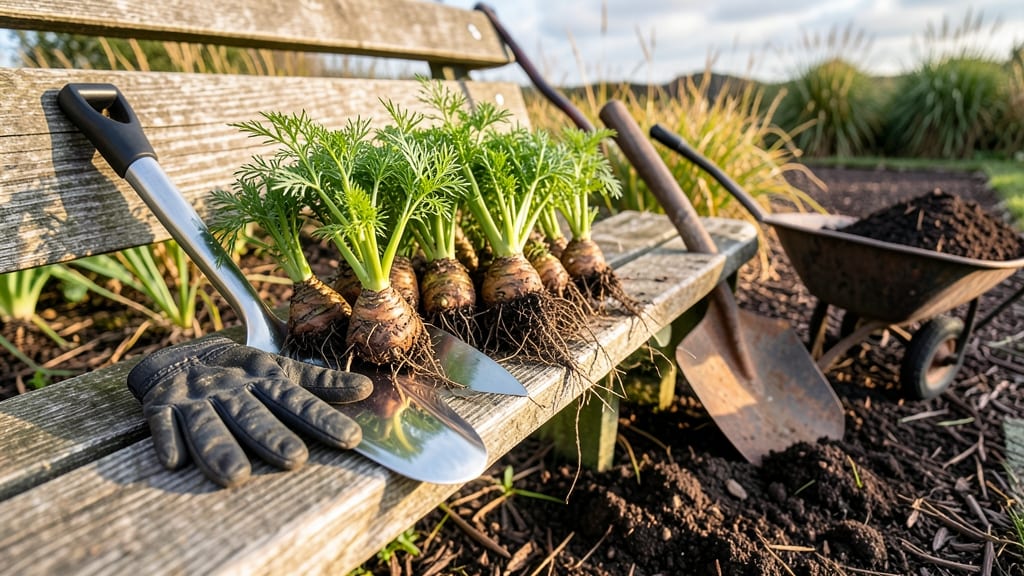
Planting asparagus in Tennessee isn’t just about dropping crowns in the dirt—it’s about timing that balances late spring frosts, humidity spikes, and the 3-year patience it takes before your first harvest.
Get it right, and you’ll enjoy fresh spears for decades; get it wrong, and you might be waiting years longer than necessary.
Most Tennessee gardeners swear by early spring planting—think March to April—when soil temperatures creep above 50°F and the threat of frost has passed.
But here’s the catch: Tennessee’s USDA zones 6a-7b mean your exact window depends on where you live, whether you’re in the cooler Appalachian foothills or the warmer Nashville basin.
Why does timing matter so much? Asparagus crowns need 6-8 weeks to establish roots before summer’s heat sets in. Plant too early, and you risk rot from lingering moisture; too late, and your spears might bolt before you even see them.
I’ll break down the zone-specific dates that guarantee strong root growth—and how to prep your soil to avoid Tennessee’s biggest asparagus-killing mistakes.
Ready to skip the guesswork? Let’s dive into the exact months, soil secrets, and climate hacks that’ll turn your Tennessee garden into an asparagus powerhouse—starting with the first harvest in just 2-3 years.
Best planting months for asparagus in Tennessee’s climate zones 6-7
Tennessee’s USDA zones 6-7 offer a perfect window for planting asparagus crowns, but timing is critical to avoid late frosts or summer heat stress.
The ideal planting season is early spring, specifically March through April, when soil temperatures reach 50°F (10°C)—warm enough for root growth but cool enough to prevent stress.
In Zone 6a (e.g., Nashville, Chattanooga), aim for late March to early April to outpace the average last frost date of March 15. For Zone 7a/7b (e.g., Memphis, Knoxville), mid-March to late April works best, as these areas experience milder winters and earlier soil warming.
Fall planting is risky in Tennessee due to humidity and fungal diseases, but if you must plant in autumn, do so 8-10 weeks before the first frost (typically by October 1) to allow roots to establish before winter dormancy.
Soil temperature is your best guide: use a soil thermometer to confirm 50°F (10°C) at 4-inch depth. Cold soil delays root growth, while soil above 60°F (15°C) can stress young crowns, leading to poor establishment.
🌱 Tennessee Asparagus Planting Timeline by Zone
| Zone | Best Planting Window | Soil Temp Requirement | Frost Risk |
|---|---|---|---|
| 6a (Nashville, Chattanooga) | Late March - Early April | 50°F (10°C) minimum | High (last frost: March 15) |
| 6b (Middle TN) | Early March - Mid-April | 50°F (10°C) minimum | Moderate (last frost: March 1) |
| 7a (Memphis, Knoxville) | Mid-March - Late April | 50°F (10°C) minimum | Low (last frost: Feb 15) |
| 7b (Southeast TN) | Early March - Early May | 50°F (10°C) minimum | Very Low (last frost: Jan 30) |
🌡️ Pro Tip: Use a soil thermometer to confirm readiness—planting too early in cold soil delays root growth by 3-4 weeks.
If you miss the spring window, fall planting is possible but requires careful timing. In Zone 6a, plant by October 1; in Zone 7a/7b, extend to November 1. The goal is to give roots 6-8 weeks of warm soil before dormancy sets in.
Tennessee’s humid climate demands extra caution: avoid planting in wet, soggy soil, which promotes root rot. Amend clay-heavy soils with compost or sand to improve drainage—critical for asparagus health in regions like Nashville and Chattanooga.
For container growing, plant in large pots (12+ inches deep) and move containers to a protected location if frost threatens. Containers warm up faster than garden beds, so you can plant 2-3 weeks earlier than in-ground.
Remember: asparagus is a perennial investment. Crowns planted in March-April will reward you with harvests for 15+ years—but only if you nail the timing and soil prep.
Best planting months for asparagus in Tennessee’s climate zones 6-7
Tennessee’s USDA hardiness zones 6-7 create a unique window for planting asparagus, where timing directly impacts root establishment and first-year growth. Unlike annuals, asparagus crowns need 4-6 weeks to establish roots before summer heat arrives, making early spring the gold standard for gardeners in Nashville, Chattanooga, and Knoxville.
The ideal planting window spans from mid-March through early April, aligning with soil temperatures reaching 50-60°F. This period ensures roots develop before Tennessee’s late spring heatwaves (often hitting by May) stress young plants.
For gardeners in zone 7b (e.g., Memphis), you can push planting to early April without risking frost damage.
🌱 Pro Tip: Use a soil thermometer to confirm 50°F+ soil temps before planting—cold soil delays root growth by up to 3 weeks.
📋 Asparagus Planting Timeline for Tennessee
| Zone | Best Planting Window | Soil Temp Requirement | Frost Risk |
|---|---|---|---|
| 6a (e.g., Bristol) | Mid-March to late March | 50-55°F | High (last frost: April 1) |
| 6b (e.g., Nashville) | Late March to early April | 55-60°F | Moderate (last frost: March 25) |
| 7a (e.g., Chattanooga) | Early April | 60°F+ | Low (last frost: March 15) |
| 7b (e.g., Memphis) | Early April | 60°F+ | Very Low (last frost: March 1) |
💡 Note: Tennessee’s humid climate increases fungal risks if planting is delayed past April.
Avoid planting asparagus in fall—Tennessee’s warm winters (even in zone 6a) prevent proper dormancy, leading to rot or weak crowns. If you miss the spring window, your only option is container growing, but yields will be 50% lower due to limited root space.
For container planting, use 10-gallon pots and plant in May after all frost risk has passed. Containers warm up faster, but monitor soil moisture closely—Tennessee’s summer heat can dry pots out in 48 hours without proper mulch.
🌿 Key Takeaway: Plant asparagus in Tennessee between March 15 and April 15 for maximum root establishment before summer stress sets in.