
Plants
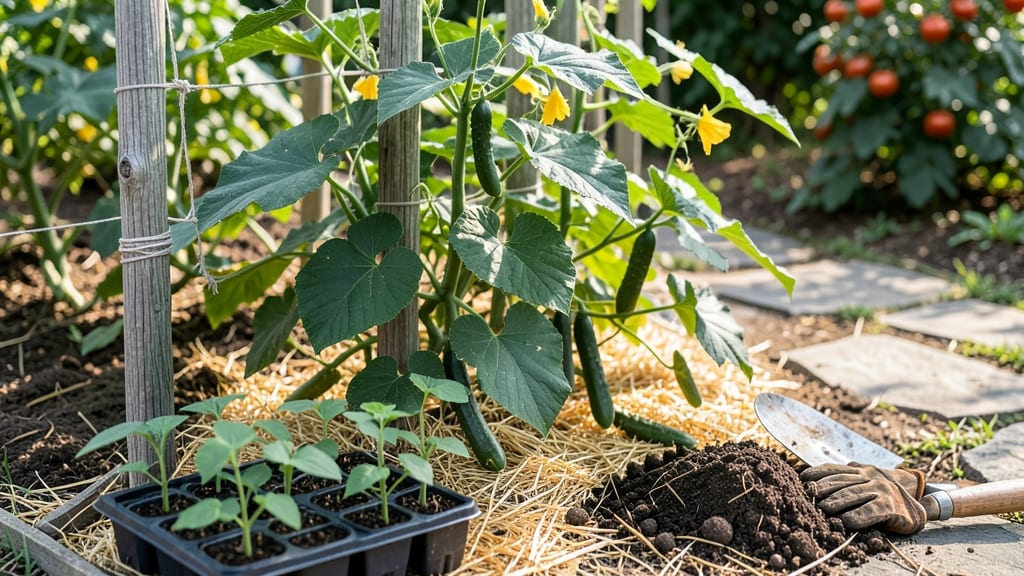
Timing your 🥒 cucumber planting in North Florida isn’t just about throwing seeds in the dirt—it’s the difference between a bumper crop and a sad, wilted vine.
With our 8a-9a climate, those mid-February to early April spring windows and late-July fall starts can feel like a moving target, especially when heat stress lurks around every corner.
Let’s cut through the guesswork. I’ll show you exactly when to plant for crisp, homegrown cucumbers—whether you’re in Jacksonville’s humidity or Tallahassee’s slightly cooler pockets—plus the heat-tolerant varieties that thrive here. No more waiting for perfect conditions that never arrive.
You’ll also discover how to stretch your harvest season, avoid common pitfalls like powdery mildew, and even extend your cucumber growing into September and October without losing your mind (or your plants). Ready to master the art of cucumber timing?
By the end, you’ll have a foolproof schedule, backed by UF/IFAS Extension insights, to turn your garden into a cucumber paradise—no matter how unpredictable North Florida’s weather gets.
North Florida’s exact cucumber planting calendar: best start dates by month
North Florida’s USDA Zones 8a-9a offer a unique challenge for cucumber growers—scorching summers and unpredictable spring frosts. The key to success? Planting at the perfect soil temperature (at least 60°F) and choosing the right seasonal window.
Miss these timelines, and you’ll battle bitter vines or heat stress before harvest.
Unlike cooler regions, North Florida gardeners have two prime planting windows: spring (for early summer harvests) and fall (to beat the worst heat). Jacksonville’s coastal warmth may push dates slightly earlier than Tallahassee’s inland chill, but the last frost date (typically mid-March) is your anchor.
Use this calendar to align your planting with Florida’s 240 frost-free days.
| Season | Planting Window | Soil Temp Threshold | Harvest Window | Key Considerations |
|---|---|---|---|---|
| Spring | Mid-February to early April | 60°F+ (use row covers for early starts) | May–June | Avoid frost risk; prioritize heat-tolerant varieties. |
| Fall | Late July to early September | 65°F+ (warmer soil speeds germination) | September–October | Beat summer’s peak heat; mulch to retain moisture. |
| Extended Spring | Late April (for late summer harvests) | 70°F+ (direct sow after last frost) | July–August | Risky—use shade cloth if temps exceed 95°F. |
For spring planting, start seeds indoors 4–6 weeks before your last frost date (use biodegradable pots to avoid transplant shock). Harden off seedlings for 7–10 days before transferring them to the garden after April 15 in most of North Florida.
In Jacksonville, you can push this to mid-March thanks to its milder coastal climate.
Fall planting is trickier—late July is your deadline to avoid summer’s brutal heat. Aim for seedlings with 3–4 true leaves and transplant them after August 1.
If you’re in Tallahassee, wait until early August to align with cooler soil temperatures. Use black plastic mulch to warm the soil faster and reduce weed competition.
Pro tip: Check the UF/IFAS Extension’s frost data for your county—Jacksonville’s last frost averages March 15, while Tallahassee’s can linger until March 25. Planting too early?
Your cucumbers will bolt (go to flower) before fruiting. Too late? You’ll miss the 60–75-day harvest window before fall’s first frost (mid-November).
If you’re container gardening, adjust your timeline by 2 weeks earlier—pots heat up faster and dry out quicker. Place containers in partial shade during 100°F+ days to protect delicate vines.
For bush varieties (like ‘Bush Champion’), you can squeeze in a second fall crop by planting September 1–15, but harvest before October 15 to avoid frost damage.
Remember: Soil temperature matters more than air temperature. Use a soil thermometer to confirm 60°F+ before planting—cold soil delays germination by weeks. In North Florida’s Zone 8a/8b, this often means waiting until after April 1 for spring or after August 15 for fall.
Patience here = bigger yields and sweeter cucumbers.
For regional adjustments, consult your local UF/IFAS County Extension office. They’ll provide hyper-local frost data and recommend disease-resistant varieties tailored to your microclimate. In Gainesville, for example, ‘Sweet Success’ thrives in the humid summers, while ‘Straight Eight’ handles Tallahassee’s drier inland air better.
Timing isn’t just about dates—it’s about reading your garden’s cues. Watch for soil cracks (sign of dryness) or slug trails (humidity alert). Combine these planting windows with proper spacing (12–24 inches apart for vining types) and consistent watering, and you’ll turn North Florida’s challenging climate
Top 5 heat-tolerant cucumber varieties for North Florida’s climate
North Florida’s 90°F+ temperatures and high humidity can turn cucumber plants into sad, wilted shadows if you’re not using the right varieties. I’ve grown dozens of cucumbers here, and these five heat-tolerant picks consistently deliver crisp, disease-resistant fruit—even when the heat index feels like it’s broiling your garden.
Let’s dive into the details so you can pick the perfect match for your space and goals.
First up is ‘Straight Eight’, a slicing cucumber that thrives in our heat. It’s a bush variety (no trellis needed), matures in 55-60 days, and produces 8-inch, dark green cucumbers that stay crisp even when temperatures soar.
This one’s a crowd-pleaser for home slicing and pickling, and it resists the powdery mildew that plagues other varieties in our humidity.
Next, ‘Sweet Success’ is a parthenocarpic (self-pollinating) variety that’s perfect for container gardens or small spaces. It handles heat beautifully, matures in 50-55 days, and produces sweet, 6-inch cucumbers that don’t turn bitter.
Plus, it’s disease-resistant to cucumber mosaic virus and downy mildew, two common issues in North Florida’s wet springs.
‘Arkansas Little Leaf’ is another bush-type cucumber that’s compact and prolific. It’s ideal for urban gardens or raised beds, matures in 55-60 days, and produces small, sweet cucumbers perfect for snacking. This variety also resists heat stress and cucumber beetles, making it a low-maintenance choice for busy gardeners.
For those who love long, burpless slicing cucumbers, ‘Marketmore 76’ is a standout. It’s a vining variety that thrives in full sun and heat, matures in 60-65 days, and produces 7-8 inch cucumbers with a thin skin that’s perfect for slicing.
This one’s also resistant to scab and powdery mildew, which is a huge plus in our climate.
Finally, ‘Lemon Cucumber’ (like ‘Tyria’ or ‘Lemon’) adds a unique twist to your harvest. These small, lemon-shaped cucumbers are highly aromatic and heat-tolerant, maturing in 55-60 days. They’re great for salads and garnishes and do well in containers or small plots.
Just be prepared for a shorter harvest window—they ripen quickly once they start producing.
🌱 Variety Comparison: Heat-Tolerant Cucumbers for North Florida
| Variety | Type | Days to Maturity | Cucumber Size | Pros | Cons |
|---|---|---|---|---|---|
| Straight Eight | Slicing | 55-60 | 8-inch | Bush type, disease-resistant, great for pickling | Needs trellis for best yield |
| Sweet Success | Slicing | 50-55 | 6-inch | Parthenocarpic, sweet, container-friendly | Smaller yield than vining types |
| Arkansas Little Leaf | Bush | 55-60 | Small (4-6 inch) | Compact, beetle-resistant, great for small spaces | Lower yield per plant |
| Marketmore 76 | Slicing | 60-65 | 7-8 inch | Burpless, heat-tolerant, high yield | Requires trellis |
| Lemon Cucumber | Snacking | 55-60 | Lemon-shaped | Unique flavor, aromatic, heat-tolerant | Shorter harvest window |
★★★★★4.9(7 reviews)