
Plants
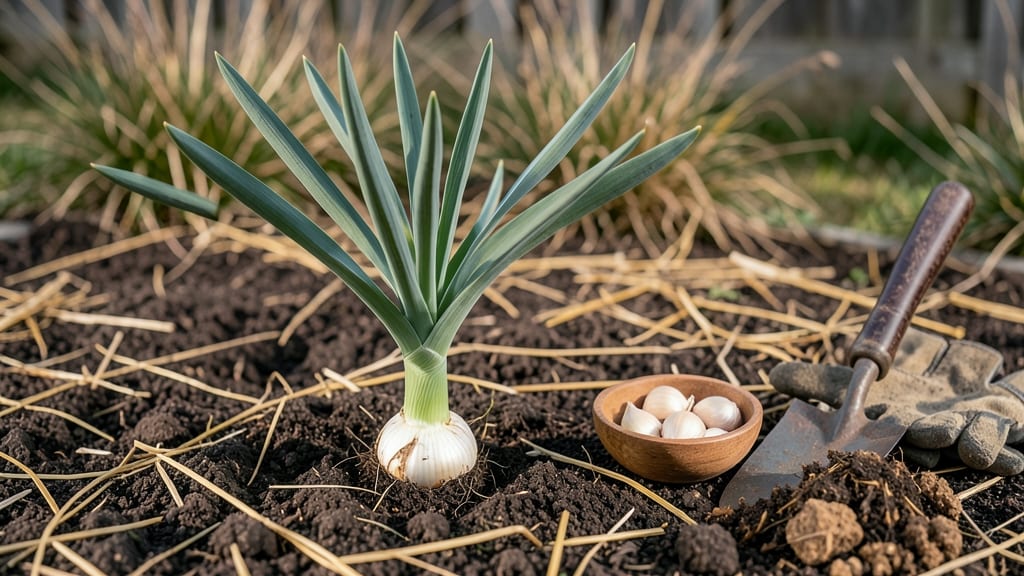
If you're dreaming of a homegrown 🧄 harvest but live in South Florida's warm climate, you might think garlic isn't for you—but the truth is, planting garlic in the right window can actually give you healthier, more flavorful bulbs than ever.
Most gardeners assume garlic needs cold winters to thrive, but South Florida's 10a-11 zone offers a unique advantage: you can grow garlic year-round with the perfect timing. The key is planting between mid-September and October, when temperatures are just right for root establishment before summer heat arrives.
Why does this matter? Because planting too early or late can lead to weak bulbs or even total failure in our humid climate. I'll show you exactly how to time it right, choose the best varieties for your area, and avoid common mistakes that ruin harvests.
Whether you're a seasoned gardener or just starting, these insights will help you grow garlic that's bigger, stronger, and ready to harvest in April or May—without any frost worries at all.
Optimal planting window for South Florida garlic: mid-September to October explained
South Florida’s unique climate—with its warm winters and humid summers—lets you grow garlic year-round, but timing still matters. Unlike northern regions, you don’t need cold dormancy for bulb formation, but planting in mid-September to October ensures bulbs mature before summer’s intense heat.
This 6-week window aligns with natural rainfall patterns and soil temperatures ideal for root development.
The key is avoiding late planting (after November), which can lead to small, underdeveloped bulbs before summer stress sets in.
Coastal areas may have slightly different microclimates—inland zones like Miami-Dade can plant a week earlier, while coastal regions (e.g., Palm Beach) might extend until early November due to cooler ocean breezes.
Soil temperatures in South Florida rarely drop below 60°F, which is perfect for garlic’s root establishment. Aim for 70–75°F soil temps at planting time, which typically occurs in late September.
If you plant too early (August), cloves may sprout prematurely in the heat, while late plantings (December+) risk immature harvests before summer’s peak.
Rainfall is another critical factor. South Florida’s wet season peaks in June–September, so planting in mid-September lets you take advantage of residual moisture while avoiding waterlogged soil during the harvest window (April–May). Mulching with straw or pine needles helps retain moisture without suffocating roots.
Here’s how microclimates affect your planting schedule:
| Zone | Ideal Planting Window | Soil Temp Goal | Rainfall Note |
|---|---|---|---|
| Coastal (e.g., Palm Beach, Fort Lauderdale) | Late September–November 1st | 70–75°F | Higher humidity; mulch heavily |
| Inland (e.g., Miami-Dade, Broward) | Mid-September–October 15th | 68–72°F | Drier; water deeply after planting |
| Everglades (e.g., Homestead, Florida City) | October–November 10th | 72–78°F | Flood risk; raise beds |
For container gardening, adjust your timeline slightly—pots heat up faster, so plant 2 weeks earlier (late August) to avoid stress. Use black plastic pots to absorb heat and terracotta for better drainage in South Florida’s heavy clay soils.
One common misconception is that garlic needs cold winters to form bulbs. In South Florida, bulbs develop in response to day length, not temperature. Planting in fall ensures bulbs mature before summer’s 90°F+ soil temps, which can cause bolting (premature flowering) and reduce yield.
Test your soil’s pH (6.0–7.0) before planting—South Florida’s calcareous soils often need sulfur amendments to lower pH. Add 2–3 inches of compost to improve drainage, especially in low-lying areas prone to waterlogging during summer rains.
Harvest timing is just as critical as planting. Aim for April–May when lower leaves brown but bulbs remain firm. If left too long, bulbs may split or sprout in the heat. Cure harvested garlic in a shady, dry place for 2–3 weeks to extend storage life.
Optimal planting window for South Florida garlic: mid-September to October explained
South Florida’s warm winters and humid summers mean garlic thrives here—but only if planted at the right time. Unlike northern climates, we don’t need cold winters to grow garlic. Instead, the 6-week window from mid-September to October is ideal because it lets bulbs establish roots before summer heat arrives.
This timing ensures soil temperatures stay between 60-70°F, perfect for root development. Planting too early (August) risks fungal diseases from humidity, while planting too late (November) may lead to immature bulbs before summer stress hits.
The coastal areas (like Miami-Dade) can plant slightly later (early October) due to cooler ocean breezes, while inland zones (like Palm Beach) should aim for mid-September to beat the heat. Always check USDA Zone 10a-11 guidelines for your exact location.
| Planting Window | Soil Temp | Rainfall | Microclimate Tip |
|---|---|---|---|
| Mid-September | 60-70°F | Moderate | Best for inland areas |
| Late September | 65-75°F | Increasing | Ideal for coastal zones |
| October | 70-80°F | High | Last chance for inland |
Garlic needs 90-120 days to mature in South Florida. Planting in September ensures harvests in April-May, just as summer heat ramps up. This timing also avoids hurricane season (June-November), which can damage young plants.
For year-round harvests, you can plant a second batch in December-January, but bulbs will be smaller due to summer heat stress. Always prioritize the September-October window for the best results.
Pro tip: Use a soil thermometer to confirm temps are ideal before planting. If soil is too hot (>80°F), wait a few weeks or plant in shade cloth until conditions improve.