
Plants
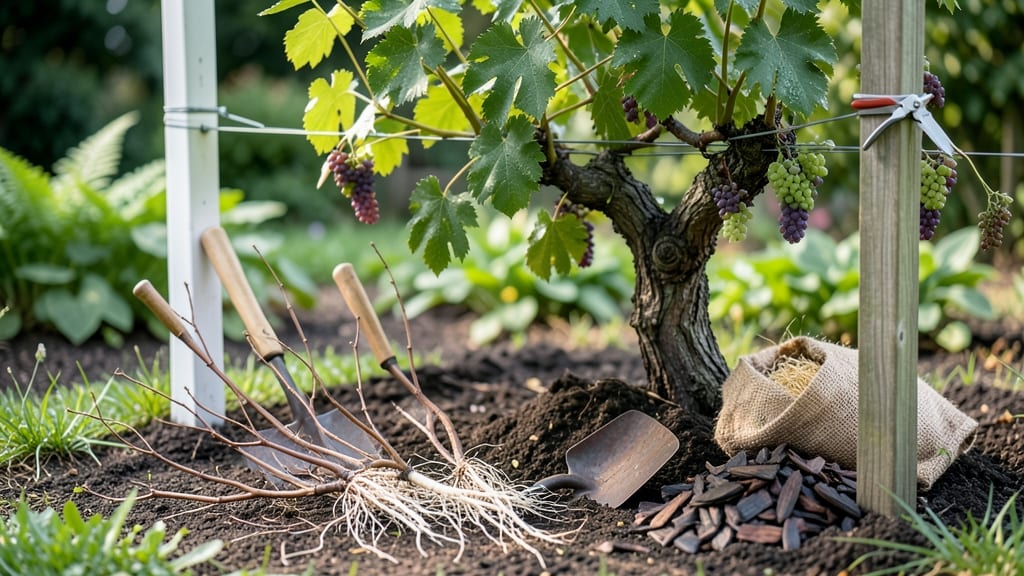
Planting grapes in Arizona might seem like a risky bet—with its brutal summers and sudden frost threats—but getting the timing right turns those challenges into opportunities for a thriving 🍇 vineyard.
The key lies in Arizona’s 9b climate zone, where winter’s cooler months offer the perfect window to plant dormant vines before the heat ramps up.
Most gardeners in Arizona swear by planting between November and February, when temperatures are mild and the risk of frost is lower. This winter window gives your grapes time to establish roots before facing the scorching desert heat, setting the stage for a productive harvest come summer.
But here’s the catch: not all parts of Arizona are created equal. High desert areas like Flagstaff have different frost risks than the Phoenix metro area, and soil types vary wildly.
I’ll break down the exact months that work best for your specific microclimate—so you can avoid costly mistakes and maximize your chances of success.
Ready to grow grapes that thrive in Arizona’s extremes? Let’s dive into the heat-resistant varieties, soil prep secrets, and post-planting care that’ll have your vines flourishing—even in the desert sun.
Best months to plant grapes in Arizona’s climate zones
Arizona’s diverse microclimates mean planting grapes in Phoenix differs drastically from Flagstaff. The key? Planting dormant bare-root vines during cooler months when roots establish before summer heat arrives. For most of Arizona, this window spans November through February, but elevation and frost risk shift these timelines.
Low Desert regions like Tucson and Yuma face higher heat and less frost risk, while High Desert areas like Sedona and Prescott experience colder winters and earlier frosts. Understanding your USDA Zone (9a-10b) helps pinpoint the safest window. Let’s break down the ideal planting months for each zone.
| Climate Zone | Ideal Planting Window | Temperature Threshold | Frost Risk | Key Consideration |
|---|---|---|---|---|
| Low Desert (Phoenix, Tucson) | November 15 – February 15 | 50–70°F soil temp | Low (Jan–Mar) | Avoid spring planting—heat stress kills young vines. |
| Transition Zone (Sedona, Prescott) | October 15 – January 31 | 45–65°F soil temp | Moderate (Nov–Feb) | Plant before first frost (typically late Nov–early Dec). |
| High Desert (Flagstaff, Show Low) | September 15 – December 15 | 40–60°F soil temp | High (Oct–May) | Extend window with row covers if planting late. |
For Low Desert growers, aim to plant by mid-February to avoid 100°F+ temperatures that stress vines. In Transition Zones, January is the sweet spot—roots establish before spring warmth arrives. Meanwhile, High Desert gardeners can push planting into early December thanks to cooler nights.
Pro tip: Check your local Cooperative Extension Service for microclimate-specific frost dates. For example, Yuma’s last frost is January 10, while Flagstaff’s first frost hits October 15. Planting outside these windows risks heat shock or frost damage.
Soil temperature matters more than air temperature. Use a soil thermometer to confirm 50–70°F before planting. Cold soil slows root growth, while soil above 75°F can scorch delicate roots. In Low Desert areas, evening irrigation can cool soil slightly before planting.
If you miss the winter window, spring planting (March) is possible but risky. Young vines struggle to establish roots before summer’s intense heat. For container growing, extend the window by planting in shade cloth-covered pots and moving them to full sun gradually.
Mulching with 4–6 inches of straw or wood chips after planting helps regulate soil temperature. In High Desert zones, add extra mulch in fall to insulate roots from freeze-thaw cycles. This simple step can mean the difference between survival and failure.
Remember: Grapes are perennial vines, so first-year establishment is critical. A well-timed planting in winter sets the stage for years of productive harvests, even in Arizona’s challenging climate. With the right variety and timing, you’ll be sipping homegrown wine by summer!
🍇
Best months to plant grapes in Arizona’s climate zones
Arizona’s diverse climate zones mean your grape planting timeline depends on whether you’re in the Low Desert, Transition Zone, or High Desert. The key? Planting dormant bare-root vines when soil temps drop below 70°F to avoid heat stress.
This usually lands between November and February, but exact timing varies by elevation and frost risk.
In the Low Desert (Phoenix, Tucson), where winters are mild, your window is tight—focus on November through mid-January. The Transition Zone (Prescott, Sedona) offers a slightly longer window, from October to February, while the High Desert (Flagstaff) allows planting as late as March due to cooler temps.
Always check your last frost date (typically January 15 in most zones) to avoid spring surprises.
Timing isn’t just about months—it’s about soil conditions. Test your soil’s moisture and temperature before planting; ideal soil should feel cool to the touch and hold moisture without being soggy.
If your soil is still warm in November, delay planting or use shade cloth to protect young vines from residual heat.
Avoid planting in late winter (March) unless you’re in the High Desert. By then, Arizona’s 100°F+ days are just weeks away, and young grape roots struggle to establish in extreme heat. Instead, opt for bare-root vines in late fall—they’ll have 4–6 weeks to root before spring’s onslaught.
For container growing, your timeline shifts slightly. Plant 2–4 weeks earlier than in-ground vines since pots heat up faster. Use black fabric pots to absorb excess heat and ensure drainage holes are 1/4-inch wide to prevent root rot.
Containers also let you move vines to shaded areas during peak summer heat.
Finally, don’t ignore microclimates. A north-facing slope in Phoenix might stay cooler than your neighbor’s south-facing yard. Use a soil thermometer ($10 at garden centers) to confirm temps before planting.
If your soil hits 75°F in November, wait—your grapes will thank you with stronger roots and bigger yields next season.
🍇