
Plants
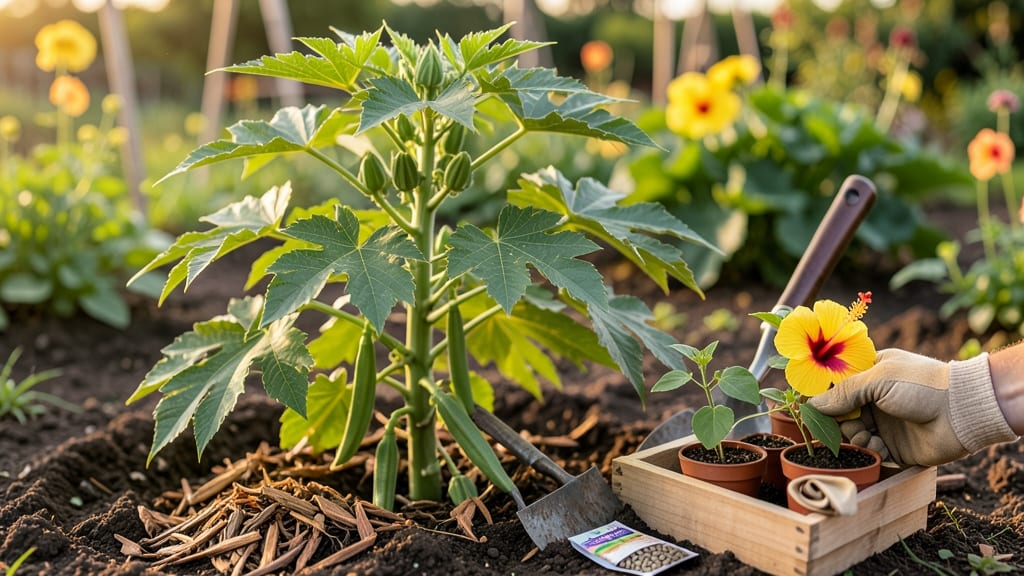
If you're wondering when to plant okra in Arkansas, timing is everything—this heat-loving 🌱 thrives only after the last frost, and getting it wrong means wasted effort. Arkansas gardeners know the difference between a bumper crop and a sad, wilted plant comes down to these few weeks in spring.
For most of the state in zones 7a-8a, your window opens between late April and early June, once soil temperatures hit a steady 60°F.
Plant too early, and your seedlings will bolt in the chill; too late, and you’ll miss the long summer growing season that makes okra worth growing. The key? Patience and precision—especially when choosing heat-resistant varieties that can handle Arkansas’ sweltering summers.
In this guide, I’ll break down the exact planting timeline for North, Central, and South Arkansas, plus the best varieties to maximize your harvest. Whether you’re a first-time gardener or a seasoned pro, these tips will help you avoid common mistakes and get the most out of your okra patch.
Ready to transform your garden? Let’s dive into the perfect planting schedule and variety recommendations that will have you harvesting tender pods from July through October—without the guesswork.
Best planting timeline for okra in Arkansas by region
Okra in Arkansas needs warm soil and consistent heat to thrive, so timing your planting right is critical. The last frost date varies across the state, with North Arkansas (like Fayetteville) typically seeing frost until mid-April, while South Arkansas (Little Rock, Pine Bluff) warms up by early April.
For the Delta region, you can plant as early as late March.
Always wait until the soil temperature reaches at least 60°F—okra seeds won’t germinate in cold soil. Use a soil thermometer to check, especially in North Arkansas, where cooler nights linger longer. If you plant too early, your seeds may rot or fail to sprout entirely.
Here’s a region-specific breakdown of when to plant okra in Arkansas, based on historical frost data and soil warming trends:
| Region | Last Frost Date (Avg.) | Ideal Planting Window | Soil Temp. Requirement | Notes |
|---|---|---|---|---|
| North Arkansas (e.g., Fayetteville, Eureka Springs) | Mid-April | Late April to early May | 60°F+ | Cooler nights; use black plastic mulch to warm soil faster. |
| Central Arkansas (e.g., Little Rock, Hot Springs) | Early April | Late March to mid-April | 60°F+ | Moderate climate; ideal for early starts. |
| South Arkansas (Delta: e.g., Pine Bluff, Texarkana) | Late March | Late March to early April | 60°F+ | Warmest region; can plant earliest. |
If you’re direct sowing seeds (the best method for okra), plant them ½ inch deep and 1 inch apart in rows spaced 2-3 feet apart. Okra hates being transplanted, so avoid starting seeds indoors unless you’re in North Arkansas and need a head start.
Even then, harden off seedlings carefully before setting them out.
For container growing, use at least 5-gallon pots and plant 2-3 seeds per container. Containers warm up faster than garden soil, so you can plant 1-2 weeks earlier than in-ground okra. Just ensure pots have drainage holes to prevent root rot in Arkansas’ humid summers.
Pro tip: If you want a longer harvest season, stagger your plantings every 2-3 weeks after your initial date. This ensures a steady supply of fresh okra from July through October, just in time for summer recipes and fall preserves.
Monitor your garden for early signs of stress, like yellowing leaves or stunted growth. These can signal cool soil or inconsistent watering. Okra is drought-tolerant once established, but young plants need consistent moisture to prevent wilting.
🌱
Top heat-resistant okra varieties for Arkansas summers
Arkansas’ hot, humid summers demand okra varieties that thrive in 90°F+ temperatures without bolting or producing bitter pods. The Arkansas Extension Service recommends heat-tolerant varieties like Clemson Spineless, Emerald, and Burgundy—each with unique advantages for our climate.
I’ve grown all three, and here’s how they compare for your garden.
First, Clemson Spineless is the gold standard for Arkansas gardens. This disease-resistant variety matures in 55-60 days and produces smooth, spineless pods that stay tender even in extreme heat. It’s my go-to because it outperforms others in USDA Zone 7b-8a, where late-season humidity can stress other varieties.
| Variety | Days to Maturity | Heat Tolerance | Disease Resistance | Pod Type |
|---|---|---|---|---|
| Clemson Spineless | 55-60 | Excellent | High (fusarium wilt) | Smooth, spineless |
| Emerald | 60-65 | Very High | Moderate | Smooth, green |
| Burgundy | 60-65 | High | Moderate | Deep purple |
If you’re after longer harvests, Emerald is a top performer with 60-65 days to maturity and pods that stay tender well into September. Its deep green color fades less in intense sun, making it ideal for Central Arkansas’ peak summer heat.
I’ve seen it produce pods up to 8 inches long—perfect for gumbo lovers!
For something visually striking, Burgundy okra adds garden flair while delivering heat-resistant pods with a nutty flavor. It matures slightly slower but handles humidity better than most varieties. Plant it near tomatoes or peppers to deter pests naturally—both plants release scents that confuse okra borers.
Pro tip: Avoid ‘Arkansas Wonder’—it’s an older variety with poor heat tolerance and prone to bolting in Arkansas’ climate. Stick to the Extension Service’s top picks for reliable yields. For container gardening, Emerald is my choice—its compact growth fits 5-gallon pots perfectly.
No matter which variety you choose, direct-sow seeds after May 1 in most of Arkansas to avoid soil-borne diseases common in early spring. Mulch with straw to retain moisture and prevent pod rot—a frequent issue in our humid summers. 🌱