
Companion Plants
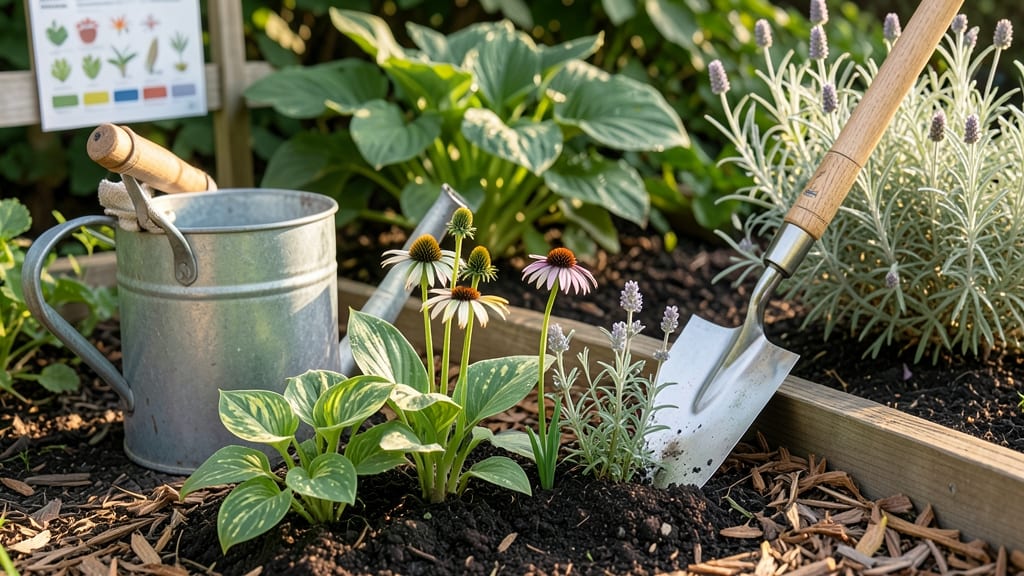
When can I plant perennials in Zone 5 without risking frost damage or weak growth? The answer isn't just about seasons—it's about understanding your local microclimate and the specific needs of your 🌱 plants.
In Zone 5, where winters are cold and summers can be unpredictable, timing matters more than you might think. Planting too early means frost can nip tender shoots, while waiting too long gives young roots little time to establish before winter sets in.
The ideal window is actually a two-season strategy—spring after the last frost and early fall for a head start.
I've tested this approach with everything from hardy shrubs to delicate flowers, and the results speak for themselves. With the right schedule, you can grow perennials that come back stronger every year with minimal extra effort.
Let me show you exactly when to dig in your Zone 5 garden for maximum success.
We'll cover the best months for different plant types, how to protect late or early plantings, and which cold-hardy varieties thrive with just a little extra care. Your garden's future starts with the right timing—let's get planting!
Best months to plant perennials in Zone 5 by plant type
In Zone 5, the last average frost date is around May 15, while the first frost typically arrives by September 15. These dates create a tight window for planting perennials—but don’t worry, you’ve got two prime opportunities: early spring and early fall.
Each season offers unique advantages, depending on the type of perennial you’re growing.
Spring planting lets you take advantage of warmer soil temperatures and longer daylight hours, which help young plants establish quickly. However, late spring (after May 15) risks unpredictable frost for tender varieties.
Fall planting, on the other hand, allows perennials to develop strong root systems before winter, giving them a head start in spring. Let’s break down the best months for each plant type.
| Plant Type | Best Planting Months | Key Considerations |
|---|---|---|
| Bulbs (e.g., daffodils, tulips) | September-October (fall) | Plant 6 weeks before frost for root establishment; avoid spring planting. |
| Herbaceous Perennials (e.g., coneflowers, hostas) | April-May (spring) or September (fall) | Spring: Plant after last frost; Fall: Plant 4-6 weeks before frost. |
| Shrubs (e.g., lavender, Russian sage) | April or September-October | Spring: Plant when soil is workable (60°F+); Fall: Plant 6 weeks before frost. |
| Woodies (e.g., ornamental grasses, small trees) | April or September | Avoid late summer planting; prioritize early spring or fall for best survival. |
| Tender Perennials (e.g., salvia, penstemon) | May-June (spring only) | Wait until soil is warm (70°F+) and frost risk is minimal. |
For spring planting, focus on April and early May—this gives perennials enough time to establish roots before summer heat sets in. If you’re planting tender perennials like salvia or penstemon, wait until late May or June to avoid frost damage.
These plants need warmer soil temperatures to thrive, so rushing them can stunt their growth.
Fall planting is often underestimated but offers a huge advantage: cooler temperatures reduce stress on plants, and they can focus energy on root development rather than leaf growth.
Aim to plant 4-6 weeks before your first frost, typically September in Zone 5. This timing ensures roots have time to establish before winter dormancy begins.
One common mistake is planting too late in fall. If you miss the window, young perennials may not have enough time to harden off before winter, leaving them vulnerable to freeze damage.
Always check your local frost date and adjust accordingly—some years, the first frost can arrive earlier than expected.
If you’re unsure about your last frost date, use a frost calendar or local gardening extension service for precise timing.
For example, in northern Zone 5 (e.g., Minneapolis), the last frost might be May 20, while in southern Zone 5 (e.g., Kansas City), it could be as early as May 5. These regional differences matter!
Pro tip: Mark your calendar with these key dates:
- April 15: Ideal for hardy perennials like hostas and coneflowers.
- May 15: Safe for tender perennials after frost risk passes.
- September 1: Start fall planting for bulbs and shrubs.
- October 15: Final cutoff for late fall perennials in Zone 5.
Remember, soil temperature is just as important as air temperature. Use a soil thermometer to confirm it’s at least 60°F
How to extend your planting season in Zone 5 without risking frost damage
Zone 5’s unpredictable frosts can make planting perennials outside the ideal window feel risky—but it’s possible with the right strategies. Whether you’re dealing with a late spring frost or want to squeeze in fall plantings, these techniques will help your perennials survive and thrive.
The key is to protect young roots and foliage while giving plants time to establish before winter sets in.
One of the simplest ways to extend your planting season is by using row covers or frost blankets. These lightweight fabrics trap heat and shield tender plants from light frosts (down to 25°F). For even colder nights, a cold frame or mini greenhouse can raise soil temperatures by 10-15°F, creating a microclimate perfect for early or late plantings. Just
🌱