
Plants
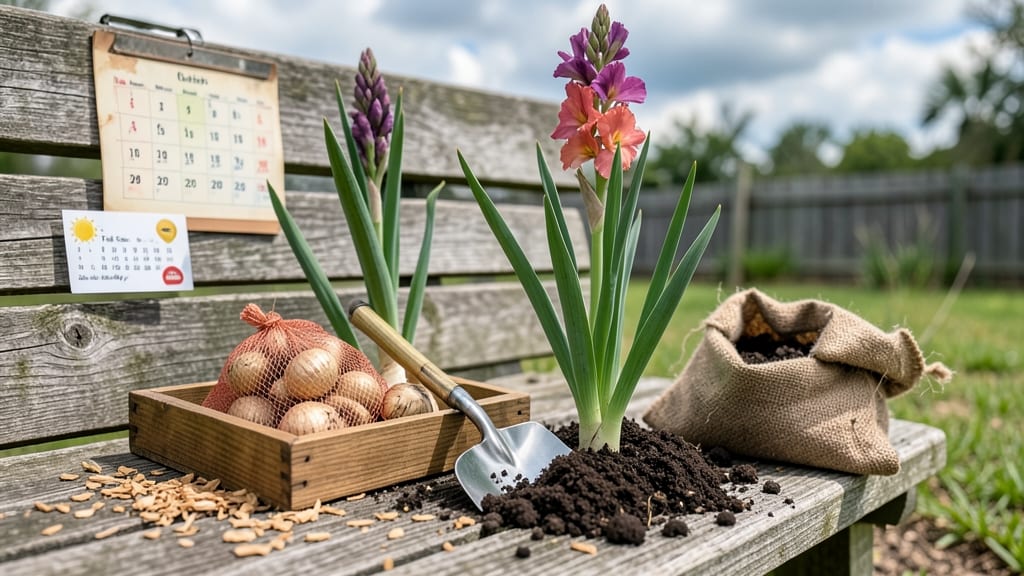
Planting gladiolus in Florida isn’t just about timing—it’s about outsmarting the heat while giving these 🌸 showstoppers the best shot at thriving.
With no frost to worry about in most areas, your window to plant is wider than you might think, but getting it wrong could mean wilted dreams before the blooms even appear.
I’ve learned the hard way that Florida’s 8a-11 climate zones demand precision: too early, and the summer sun will scorch your corms; too late, and you’ll miss the fall bloom magic that makes your garden the envy of the neighborhood.
The secret lies in knowing exactly when to tuck those bulbs into the earth—whether you’re chasing spring color or autumn drama.
Let’s cut through the guesswork. I’ll walk you through the ideal months for planting in your specific part of Florida, plus soil prep tricks and spacing secrets that keep your gladiolus taller, healthier, and more vibrant than ever. No more second-guessing—just bold blooms on cue.
Ready to transform your garden into a Florida-friendly gladiolus paradise? Grab your corms and let’s get started—your future 🌸-filled borders are waiting.
Best planting months for gladiolus in Florida’s climate zones
Florida’s unique climate—with its frost-free winters and intense summer heat—creates a tricky but rewarding environment for growing gladiolus (🌸). Unlike cooler climates, Florida gardeners can plant gladiolus twice a year to enjoy vibrant blooms in both spring and fall.
The key is choosing the right months to maximize heat tolerance and avoid disease risks.
Gladiolus thrive in Florida’s USDA Zones 8a-11, but timing varies by region. North Florida (like Jacksonville) has slightly cooler winters, while South Florida (Miami) stays warm year-round. Central Florida (Orlando/Tampa) falls in between. Let’s break down the ideal planting windows for each zone to ensure your gladiolus flourish.
🌱 Did You Know? Gladiolus corms planted in August-September for fall blooms often outperform spring plantings in Florida’s heat. This is because cooler fall temperatures reduce stress on the plants, leading to stronger stems and larger blooms.
🌿 Florida Gladiolus Planting Guide by Zone
| Zone | Ideal Planting Months | Bloom Time | Soil Temp Threshold | Notes |
|---|---|---|---|---|
| North Florida (8a) | February-March & August-September | May-June & October-November | 60°F+ (spring) / 75°F+ (fall) | Avoid planting before last frost (rare but possible). |
| Central Florida (9a-9b) | February & August-September | April-May & October-November | 65°F+ (spring) / 78°F+ (fall) | Summer plantings need shade cloth to prevent heat stress. |
| South Florida (10a-11) | August-September & January-February | September-October & March-April | 70°F+ year-round | Year-round planting possible with shade and extra water. |
🌡️ Pro Tip: Use a soil thermometer to check temperatures before planting. Gladiolus corms need soil temps above 60°F (15°C) to sprout reliably.
For North Florida gardeners, February-March plantings yield spring blooms, while August-September plantings produce fall displays. The slight drop in temperatures after summer helps gladiolus establish roots before the cooler months arrive.
In Central Florida, you can push spring plantings slightly later (March-April) to avoid the worst of the summer heat.
In South Florida, the window is even broader. January-February plantings give you early spring blooms, while August-September plantings ensure fall color. The key here is shade management—gladiolus can suffer from heat stress if planted during peak summer (June-July).
Use 30-50% shade cloth to protect young plants until they establish.
One common mistake is planting gladiolus too early in North Florida, where late-winter frosts (though rare) can still occur. Always check the Florida Climate Center for local frost alerts. For most of the state, however, the biggest risk isn’t frost—it’s heat.
Planting too late in summer can lead to bolting (premature flowering) or heat stress, which weakens stems and reduces bloom quality.
To extend your blooming season, try staggered plantings. For example, plant a few corms in late July, another batch in early August, and a final group in mid-August.
This creates a drip of blooms from September through November. The same strategy works for spring plantings—space them out over February and March for a prolonged display.
Finally, don’t overlook microclimates. Urban areas like Miami or Orlando can be 5-10°F hotter than rural zones due to the "heat island" effect. If you’re in a city, plant gladiolus near trees or structures that provide afternoon shade during the hottest months.
This simple adjustment can make a huge difference in survival rates.
With the right timing, your Florida garden can burst with gladiolus blooms twice a year—proof that even in the heat, these showstopping flowers can thrive with a little strategy. Next, we’ll dive into how to schedule plantings for year-round color while keeping your gladiolus healthy and disease-free. ✂️
How to time gladiolus planting for year-round blooms in Florida
Florida’s long growing season means you can enjoy gladiolus blooms in spring, summer, and fall—but the key is strategic planting. Unlike cooler climates, we don’t have to wait for spring thaw or fear frost.
Instead, we focus on heat resilience and staggered planting to keep your garden vibrant year-round.
I’ve found that two main planting windows work best: February-March for spring blooms and August-September for fall displays. Each window requires slight adjustments to soil prep, watering, and mulching to protect those corms from Florida’s intense heat and humidity.
Here’s how to time your plantings like a pro, whether you’re chasing early spring color or autumn drama. The secret? Planting in stages—just 2-3 weeks apart—extends your bloom time and ensures continuous 🌸 showstoppers in your garden.
📅 Strategic Planting Timeline for Florida Gladiolus
- February-March (Spring Blooms): Plant corms 4-6 inches deep when soil temps hit 60°F+. Aim for late February in North Florida and early March in South Florida to avoid early heat stress.
- June-July (Summer Prep): Soak corms in fungicide solution (1 part bleach to 9 parts water) for 10 mins to prevent rot in humid conditions. Store in cool, dry place until August planting.
- August-September (Fall Blooms): Plant after the dog days of summer (post-August 15) when temps drop slightly. Use black plastic mulch to warm soil faster in cooler fall mornings.
- October-November (Late Fall): If you miss August, plant dwarf varieties (1-2 ft tall) in October for holiday-season blooms. They tolerate cooler temps better.
For year-round blooms, I recommend planting three batches: one in February, one in August, and one in October. This creates a continuous parade of color from April through November—perfect for cutting gardens or border displays.
Don’t forget to adjust spacing based on your planting window. Spring-planted gladiolus need 6 inches apart for airflow, while fall-planted varieties can be spaced 4 inches apart since they’ll mature faster in cooler weather. Use a garden marker to track each batch—it’s a lifesaver when harvesting!
Pro tip: If you’re in South Florida (Zones 10-11), you can even plant December-January for early spring blooms! Just use shade cloth during the hottest afternoons to protect young shoots.
With these timing tricks, your gladiolus will thrive in the heat and keep your garden bursting with color all season long. 🌿