
Plants
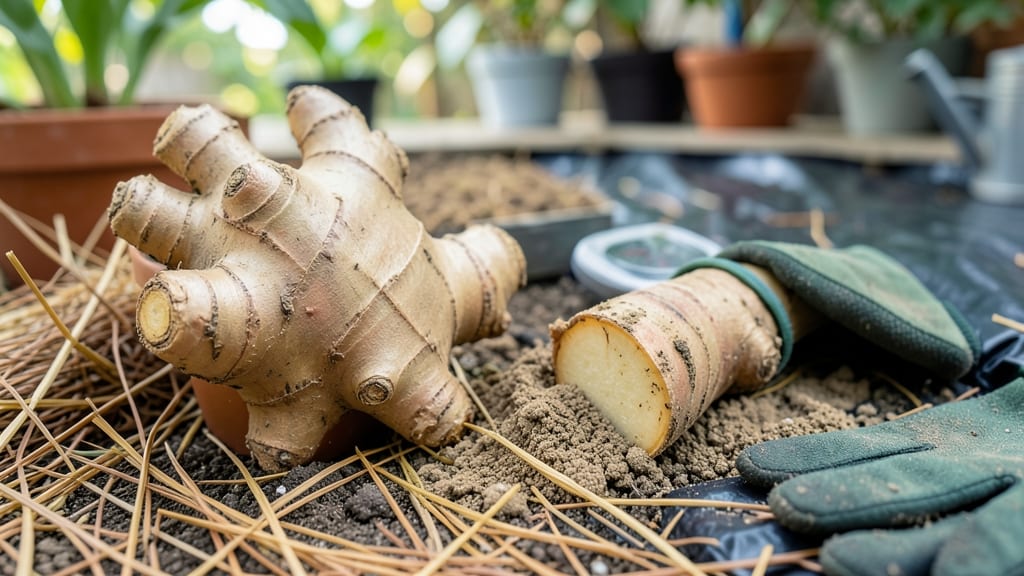
Timing your ginger planting right in North Carolina isn’t just about picking a month—it’s about catching that sweet spot when soil warmth and frost-free days align for fast rhizome growth.
Miss the window, and you’ll either bake your plants in summer heat or watch them freeze before they even sprout.
Here’s the secret: ginger hates cold soil, and in NC’s 7a-8b zones, that means waiting until after your last frost—typically mid-April—when temperatures consistently stay above 60°F. Plant too early, and your rhizomes will rot; too late, and you’ll miss the 10-12 months needed for a full harvest.
I’ve grown ginger in NC’s Piedmont and Coastal Plain, and the difference between a thriving patch and a flop comes down to two things: soil prep and patience.
We’ll cover how to test your soil’s readiness, adjust for microclimates (yes, the mountains and coast behave differently), and even salvage a late start with container hacks.
Ready to grow ginger that’s plump, flavorful, and harvest-ready by fall? Let’s dive into the exact steps that work for NC gardeners—no guesswork, just proven results.
Best planting months for ginger in NC based on soil temperature
North Carolina’s USDA zones 7a-8b create a perfect window for growing ginger, but timing is everything. The ideal planting months are March through May, when soil temperatures consistently stay above 60°F. This warmth triggers rhizome growth, ensuring your ginger thrives instead of rotting or stunting.
Unlike cooler-climate plants, ginger cannot tolerate frost. Even a light freeze will kill young shoots, so planting too early—like in February—risks losing your crop. Wait until the last frost date (typically mid-April in most of NC) has passed, but don’t delay too long either.
Here’s the key rule: Plant when your soil reaches 60°F+ at a depth of 2 inches. In NC’s Coastal Plain, this usually happens by early March, while Mountain regions may need to wait until late April.
Use a soil thermometer to check—it’s the most accurate way to avoid guesswork.
| Region | Ideal Planting Window | Soil Temp Threshold | Key Consideration |
|---|---|---|---|
| Coastal Plain | Early March–April | 60°F+ | Warmer soils; watch for humidity |
| Piedmont | Mid-March–May | 60°F+ | Moderate climate; frost risk in April |
| Mountains | Late April–May | 65°F+ | Cooler soils; extend season with mulch |
If you’re in zone 7a (like the Mountains), aim for late April to avoid late frosts. In zone 8b (like the Coastal Plain), you can start as early as February in microclimates with protected soil, such as raised beds or greenhouses.
Just remember: ginger rhizomes rot in cold soil, so never plant before the ground warms.
Pro tip: Pre-warm your soil in cooler areas by covering garden beds with black plastic mulch for 2–3 weeks before planting. This can shave off critical weeks, letting you plant earlier in March even in the Piedmont. Test the soil again after removing the plastic to confirm it’s ready.
For container gardening, you have even more flexibility. Pots warm up faster than in-ground soil, so you can start 2–3 weeks earlier than in traditional beds. Just ensure your containers have drainage holes and use a lightweight potting mix to prevent waterlogging.
One common mistake is assuming air temperature equals soil temperature. A 70°F day in March might still hide 50°F soil, which will stunt your ginger. Always check with a soil thermometer—it’s the only way to guarantee success.
Once planted, ginger’s growth is slow but steady. With the right timing, you’ll see shoots emerge in 2–4 weeks, followed by leaves reaching 2–3 feet by summer. The rhizomes themselves take 10–12 months to mature, so patience is key.
If you miss the spring window, don’t despair—you can plant again in late summer (August) for a fall harvest. However, this second crop may not yield as large rhizomes due to NC’s shorter growing season. Prioritize spring planting for the best results.
Best planting months for ginger in NC based on soil temperature
North Carolina’s USDA zones 7a-8b offer perfect conditions for ginger, but timing is everything. The ideal planting window spans March through May, when soil temperatures consistently stay above 60°F. This warmth triggers rhizome growth, ensuring your ginger thrives instead of rotting in cold soil.
Ginger rhizomes need warm soil to sprout—cold soil below 55°F can stall growth or cause rot. Use a soil thermometer to check depth (2-3 inches). In NC’s Coastal Plain, soil warms earlier (late February), while Mountain regions may need to wait until May.
| Region | Best Planting Month | Soil Temp Requirement | Key Consideration |
|---|---|---|---|
| Coastal Plain | Late February–April | 60°F+ (earlier warming) | Humidity risks; mulch heavily |
| Piedmont | March–May | 60°F+ (mid-April ideal) | Moderate climate; watch for late frosts |
| Mountains | May–June | 65°F+ (soil warms slower) | Shorter growing season; use containers |
For container gardening, plant in late April to avoid early-season frosts. Containers warm faster than ground soil, giving you a 2-week head start. Choose black pots to absorb heat—ginger rhizomes will sprout quicker in 70°F+ soil.
If you miss the spring window, fall planting is risky but possible in NC’s southern zones. Plant rhizomes in late August for a 10-month harvest cycle before winter. However, Mountain regions should avoid fall planting due to early frost threats.
Pro tip: Pre-warm soil in February by covering beds with black plastic for 2 weeks. This jumpstarts growth and lets you plant 2 weeks earlier than usual. Just remove the plastic 48 hours before planting to avoid shocking rhizomes.
Remember: Ginger needs 10-12 months to mature. Planting too late (after June) may yield smaller rhizomes before NC’s first frost in November. Plan ahead for a fall harvest!