
Plants
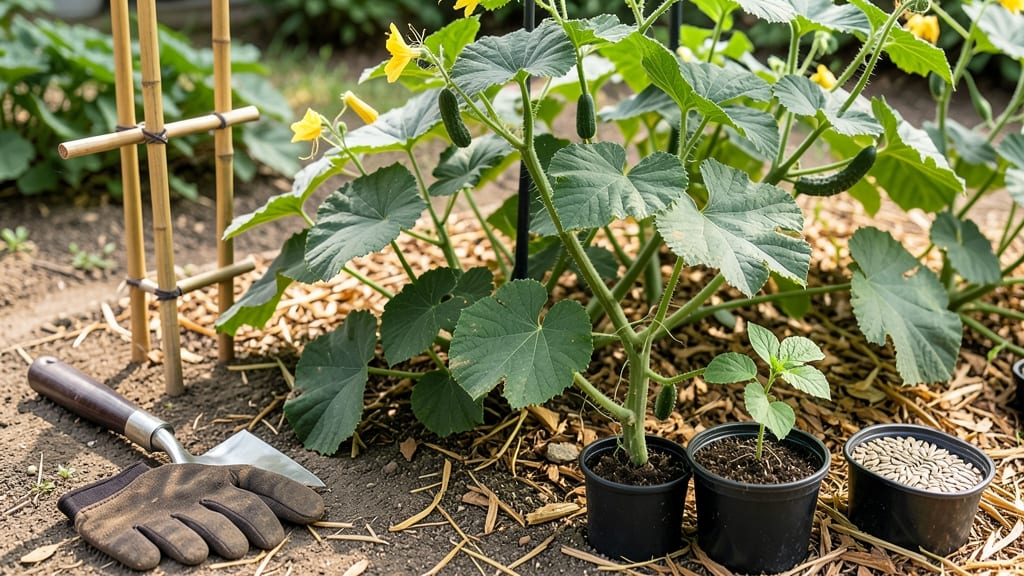
Timing your 🥒 cucumber planting in North Carolina can mean the difference between a bountiful harvest and wasted effort. With zones ranging from 7a to 8b, knowing exactly when to plant—whether for spring or fall—is critical to avoid frost damage or heat stress.
Most gardeners in North Carolina wait until mid-April to early June for spring plantings, but late July is your second chance for a fall harvest. The key? Soil temperatures must reach at least 60°F—any earlier, and your cucumbers will struggle to thrive.
This guide breaks down the perfect planting windows by zone, plus proven strategies to extend your growing season. Whether you're working with containers or an in-ground plot, you'll learn how to time it right for maximum yield.
Ready to grow crisp, homegrown cucumbers all season long? Let’s get started with the exact deadlines and tips you need for North Carolina’s climate.
North Carolina cucumber planting deadlines by Zone (7a vs 8b)
North Carolina’s diverse climate zones—from the Coastal Plain’s Zone 8b to the Mountains’ Zone 7a—create a 3-week difference in ideal planting times. Missing these windows risks frost damage or heat stress before harvest.
Let’s break down the exact deadlines for each zone, including soil temperature thresholds and last-frost averages.
For Zone 7a (Asheville, Boone), cucumbers thrive when planted 2-3 weeks after your average last frost date, typically April 20–May 5. Soil must reach at least 60°F—cold soil delays germination.
Use a soil thermometer to confirm. In Zone 8b (Wilmington, Fayetteville), you can start March 15–April 1, as frost is rare and soil warms faster.
Pro Tip: Check the NC State Extension’s frost forecast (linked below) for real-time updates—last frost dates can shift ±7 days yearly. For example, Charlotte (Zone 7b) averages March 25, but 2023 saw frost linger until April 5. Planting too early risks black rot or stunted growth.
🌱
🌡️
If you’re in Zone 7a, prioritize heat-tolerant varieties like ‘Straight Eight’ or ‘Southern Sweet 100’—they handle 90°F+ temps better than standard types. For Zone 8b, consider fall planting (late July) to avoid bolting (premature flowering) during summer’s peak heat. Bolting cucumbers produce bitter fruit and fewer yields.
For container growing, start seeds indoors 4–6 weeks before your zone’s last frost date. Use 5-gallon pots with well-draining mix—cucumbers hate soggy roots. Move pots outside gradually (harden off for 7–10 days) to avoid transplant shock, which stalls growth by 2–3 weeks.
🪴
Remember: Soil temperature matters more than air temperature. Test it with a soil thermometer at 4-inch depth. If it’s below 60°F, wait—cold soil delays germination by up to 2 weeks.
Use black plastic mulch to warm soil 5–10°F faster than bare earth, especially in Zone 7a.
💡 Quick Fix: If frost threatens after planting, cover seedlings with a floating row cover until danger passes. Remove covers when vines start running to prevent heat stress.
For fall harvests, plant succession crops every 2 weeks from late July until August 15. This ensures a continuous supply until the first frost. In Zone 8b, you might even get a second fall harvest if you plant by September 1!
☀️
How to extend your cucumber growing season in North Carolina
North Carolina’s short growing season can limit cucumber production, but with the right strategies, you can harvest fresh cucumbers well into fall—or even start earlier in spring. The key is extending the season using protective covers, succession planting, and heat-tolerant varieties.
These methods help you avoid bolting (premature flowering) and maximize yield before frost hits.
For early starts, use row covers or cold frames to protect seedlings from late spring frosts. These tools create a microclimate that warms the soil faster, allowing you to plant 2-3 weeks earlier than the average last frost date.
In Zone 7a, this could mean starting as early as mid-April instead of waiting until May.
Here’s how to extend your harvest window without stressing your plants:
For late-season extensions, consider row covers or low tunnels to protect plants from early fall frosts. These can delay frost damage by 2-3 weeks, giving you extra time to harvest. In Zone 8b, where frosts arrive later, you might even harvest into October with these protections.
If you’re growing cucumbers in containers, opt for bush varieties like ‘Bush Champion’ and place pots in sunny, sheltered spots. Containers warm up faster in spring and can be moved indoors during cold snaps, giving you flexibility to adjust to NC’s unpredictable weather.
Remember: Harvest frequently to encourage more production. A well-maintained cucumber plant can yield 10-20 cucumbers per season—but only if you pick them before they overripe. 🌱