
Plants
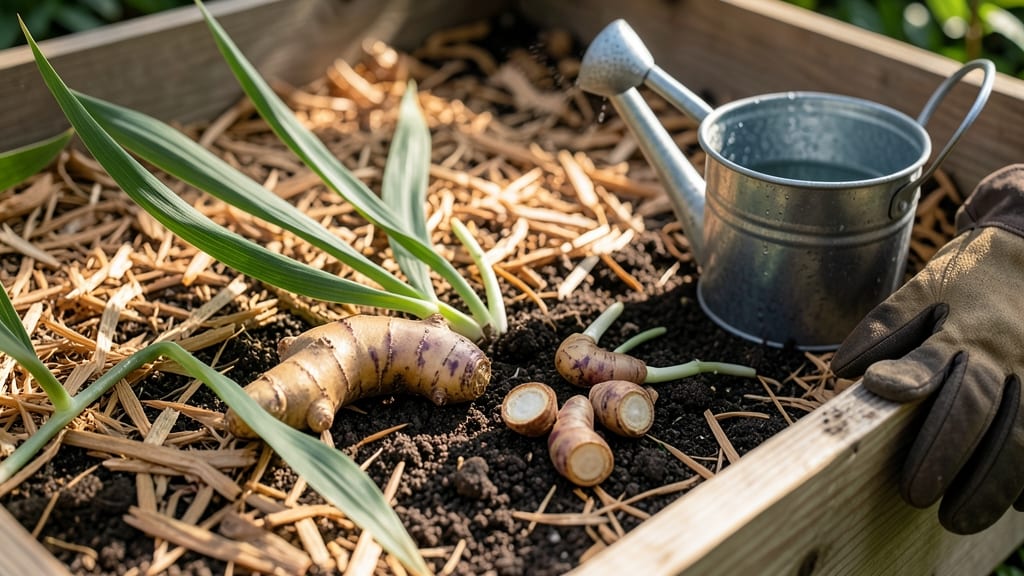
Timing your ginger planting in California can mean the difference between a thriving harvest and wasted effort. With USDA zones 9-11 offering diverse microclimates, knowing when to plant 🌿 ginger is key to avoiding frost damage or stunted growth.
Coastal areas like Zone 10a/10b can plant year-round, but inland valleys and desert regions need careful timing. The ideal window varies—fall planting in cooler zones ensures rhizomes establish before winter, while coastal gardeners can start as early as January.
Why does this matter? Ginger thrives in 60-70°F soil, and California’s heat zones create unique challenges. Whether you’re growing in containers or garden beds, getting the timing right means healthier plants and bigger yields.
I’ll break down the exact planting schedule for each microclimate, plus pro tips to maximize your harvest. Let’s get started!
California ginger planting calendar by microclimate heat zones
Ginger thrives in California’s USDA zones 9-11, but the best planting times vary dramatically between regions. Coastal areas like San Francisco (Zone 10a) offer year-round planting, while inland valleys like Sacramento (Zone 9a) require precise timing to avoid frost.
Desert zones such as Palm Springs (Zone 10b) need heat protection during summer months.
Your planting window hinges on two critical factors: soil temperature (ideal: 60-70°F) and frost risk. Coastal gardeners can plant January through March for fall harvests, while inland gardeners should aim for late March to May to establish roots before summer heat.
Desert zones benefit from early fall planting (September-October) to avoid extreme temperatures.
Here’s how to match your location to the perfect planting schedule:
For coastal zones, I recommend planting in early spring (January–March) to align with natural rainfall patterns. The soil warms quickly, and ginger rhizomes sprout within 2–4 weeks when planted at 2–3 inches deep.
In Zone 10a/10b, you can even plant in late summer (August–September) for a winter harvest, though yields may be smaller.
Inland valleys face higher frost risk and hotter summers, so timing is critical. Plant after the last frost date (typically late March) and before June 1 to avoid heat stress.
Use black plastic mulch to warm soil faster in cooler springs. Desert zones require the most caution—plant in early fall when daytime highs drop below 90°F.
Pro tip: Use a soil thermometer to confirm temperatures. Ginger rhizomes won’t sprout until soil hits 60°F consistently. In Zone 9, wait until April 15 or later to plant, even if your calendar says spring has arrived. Patience here prevents stunted growth.
Container growers have flexibility but must monitor soil moisture closely. In 5-gallon pots, plant September–October in coastal zones or March–April inland. Containers dry out faster, so check moisture daily in summer and every 3–4 days in winter.
Add perlite to potting mix to improve drainage and prevent root rot.
One common mistake? Planting too deep. Bury rhizomes only 2–3 inches deep—any deeper, and they rot before sprouting. In sandy desert soils, reduce depth to 1–2 inches to prevent dehydration. Pair this with drip irrigation to maintain consistent moisture without overwatering.
Harvest timing depends on your goal. For small rhizomes (1–2 inches), dig up after 6–8 months. For large, mature ginger (2–3 inches), wait 9–12 months. In California’s mild climate, you can even plant year-round in Zone 10b, though yields peak with seasonal timing.
Remember: Ginger is a tropical plant that thrives in warmth and humidity. California’s microclimates let you experiment, but soil temperature and frost risk are your biggest allies—or enemies. Start with the calendar above, then adjust based on your local weather patterns.
How to time ginger planting for optimal rhizome development
Timing your ginger planting isn’t just about the calendar—it’s about understanding your soil temperature, moon phases, and how your local climate affects rhizome growth. In California, where USDA zones 9-11 create wildly different conditions, getting these factors right means the difference between a bountiful harvest and wasted effort.
Ginger rhizomes need 60-70°F soil to sprout, and California’s microclimates can swing from chilly coastal mornings to scorching inland afternoons.
I’ve learned the hard way that planting too early in Zone 9 valleys risks frost damage, while waiting too long in Zone 10 coastal areas can stunt growth before winter rains arrive.
Here’s my step-by-step guide to timing your planting for maximum rhizome development, whether you’re growing in containers or garden beds. The key? Start when soil warmth aligns with your region’s frost-free window and use moon phases to boost root growth.
🌱 Critical Timing Factors for California Ginger
- Soil Temperature: Wait until soil reaches 60°F+ (use a soil thermometer!). Coastal areas hit this by February-March; inland valleys by April-May.
- Moon Phases: Plant during the waxing moon (root growth phase) for stronger rhizomes. Check lunar calendars for your region.
- Container Adjustments: Pots warm faster—plant 2-3 weeks earlier than in-ground if using containers (they dry out quicker too!).
- Pre-Sprouting: Soak rhizomes for 24 hours before planting to jumpstart growth. Place cut side down in warm water (70°F+).
- Shade Cloth: Use 30-50% shade cloth in inland areas during June-August to protect young plants from heat stress.
For coastal gardeners (Zones 10a-10b), I recommend starting in January-February to take advantage of mild winters and consistent rainfall. The waxing gibbous moon in early spring is ideal for planting—this phase boosts root development, giving your ginger a strong start before summer.
In inland valleys (Zones 7-9), hold off until April-May when soil temperatures stabilize above 60°F. Here, I’ve had success using black plastic mulch to warm the soil faster and reduce water evaporation. Pair this with drip irrigation to keep rhizomes consistently moist without overwatering.
Desert regions (Zones 10b-11) are unique—ginger can be planted year-round, but avoid June-August due to extreme heat. Instead, opt for September-October planting to let rhizomes establish before winter rains. Use 50% shade cloth and water deeply every 3-5 days to mimic natural rainfall patterns.
Remember, ginger is a perennial in coastal zones but acts as an annual in colder inland areas. Adjust your timing accordingly—if you’re in Zone 9, treat it like an annual and plant in spring for a fall harvest.