
Planting
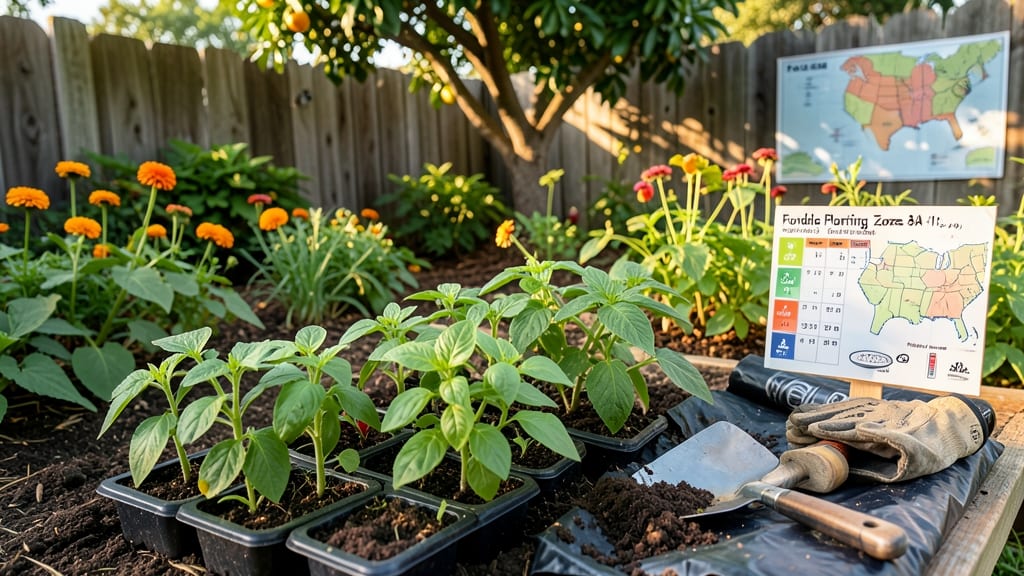
Figuring out when to plant garden in Florida can feel like solving a puzzle—because Florida’s climate doesn’t play by the same rules as other states. With 365 frost-free days and microclimates that vary from North to South, timing your garden just right means avoiding heat stress, pests, or wasted seeds.
The good news? You can grow almost anything year-round if you know the tricks.
Most gardeners assume Florida’s heat means planting only in cooler months, but that’s not the case. The key is understanding how humidity, rainfall, and even hurricane season affect your crops. Whether you’re growing tomatoes in the Panhandle or citrus in Miami, the right timing ensures your plants thrive—not just survive.
Let’s break down the best months to plant for your specific Florida zone.
Fall is actually one of the best times to start, thanks to milder temperatures and fewer pests. But don’t stop there—spring and even summer have their own opportunities if you choose the right heat-loving plants.
I’ll show you exactly which crops to plant when, so you can enjoy a bountiful harvest without the guesswork.
Ready to stop second-guessing your planting schedule? By the end of this guide, you’ll have a clear roadmap tailored to Florida’s unique climate—so you can focus on growing, not stressing. Let’s get started!
Florida’s planting zones by microclimate: exact months to start seeds & transplant
Florida’s frost-free climate might make you think you can plant anytime—but microclimates and seasonal heat create critical windows for success. The state’s 11 distinct microclimates range from North Florida’s cooler winters (Zone 8a) to South Florida’s tropical summers (Zone 11).
Timing your seed starting and transplanting avoids heat stress, bolting, and pest outbreaks.
For example, North Florida gardeners can plant cool-season crops like broccoli in September-October, while South Florida gardeners might transplant tomatoes in June without fear of frost. Let’s break down the optimal planting months for each region, including when to direct-sow seeds vs. transplant seedlings.
🌱
| Microclimate | Zone | Start Seeds Indoors | Transplant Seedlings | Direct-Sow Seeds |
|---|---|---|---|---|
| North Florida (Jacksonville, Gainesville) | 8a-8b | Feb-Mar (cool crops) | Mar-Apr, Sep-Oct | Apr-May, Sep-Oct |
| Central Florida (Orlando, Tampa) | 9a-9b | Jan-Feb (cool crops) | Feb-Apr, Aug-Sep | Mar-Apr, Aug-Sep |
| South Florida (Miami, Fort Lauderdale) | 10a-11 | Year-round (cool crops) | Jan-Apr, Aug-Nov | Year-round (seasonal crops) |
| Panhandle (Pensacola, Tallahassee) | 8a-8b | Feb-Mar (cool crops) | Mar-Apr, Sep-Oct | Apr-May, Sep-Oct |
| Everglades (Homestead, Key West) | 10b-11 | Year-round (cool crops) | Jan-Apr, Aug-Dec | Year-round (seasonal crops) |
Note: Adjust for humidity spikes (e.g., avoid transplanting during June-August in South Florida).
In North Florida (Zones 8a-8b), where cool winters drop temps to 30°F, focus on fall planting for crops like kale and carrots.
Start seedlings indoors in February and transplant by March to beat the summer heat. Direct-sow warm-season crops like okra and sweet potatoes in April-May after soil warms to 70°F.
Central Florida’s Zone 9a-9b offers a longer growing window, but humidity and afternoon heat demand morning transplanting. Seedlings thrive when moved to gardens in February-April or August-September. Direct-sow heat-lovers like peppers and eggplants in March-April or August to avoid bolting.
South Florida’s Zones 10a-11 let you plant year-round, but hurricane season (June-November) and intense humidity require strategy. Transplant seedlings in January-April or August-November, avoiding peak storm months. Direct-sow fast growers like bush beans or radishes in cool months to prevent fungal diseases.
For coastal areas, like Panhandle or Everglades, salt spray and sandy soil add challenges. Amend soil with compost and use mulch to retain moisture. Transplant in early mornings or late afternoons to reduce transplant shock from salt stress.
Pro tip: Use shade cloth (30-50%) for seedlings in summer months to prevent heat stress. In North Florida, row covers protect cool-season crops from unpredictable cold snaps.
🌿
How to adjust planting timing for Florida’s extreme heat & humidity
Florida’s year-round warmth might make you think timing doesn’t matter—but heat stress and humidity can turn your garden into a battleground. Bolting lettuce, wilting tomatoes, and fungal diseases thrive when plants are shocked by sudden heat or overwatered soil.
The key? Strategic adjustments to avoid these pitfalls while maximizing growth.
Start by hardening off seedlings for 10-14 days before transplanting, especially in spring and fall. Gradually expose them to direct sunlight and humidity to mimic Florida’s climate. For summer transplants, opt for late afternoon planting to reduce midday shock—your plants will thank you with faster root establishment.
Shade cloth is your best friend during peak summer months (June-August). Use 30-50% shade cloth to protect leafy greens and delicate flowers from scorching. For heat-loving crops like okra or sweet potatoes, pair shade cloth with drip irrigation to keep roots cool while leaves stay protected.
⚠️ Heat & Humidity Hazards
- Bolting: Lettuce, spinach, and radishes bolt when stressed by 90°F+ temps.
- Fungal Diseases: High humidity + poor airflow = powdery mildew on cucumbers and squash.
- Transplant Shock: Roots struggle in soggy or compacted soil during rainy seasons.
Solution: Space plants 12-18 inches apart for airflow, and use mulch to regulate soil temperature.
Mulching is non-negotiable in Florida. Apply 2-3 inches of organic mulch (straw, pine needles, or wood chips) to retain moisture, suppress weeds, and stabilize soil temperature. This is especially critical in Central Florida’s dry summers and South Florida’s rainy seasons, where soil can go from bone-dry to waterlogged in days.
For container gardening, choose self-watering pots with drainage holes and use lightweight potting mix.
Containers heat up faster than garden beds, so bury pots halfway in the ground to insulate roots and reduce temperature swings. Succulents and herbs like basil and rosemary thrive in containers but need daily water checks during summer.
Finally, rotate crops annually to prevent soil-borne diseases and nutrient depletion. Florida’s humid climate accelerates pathogen growth, so avoid planting the same family (e.g., tomatoes and peppers) in the same spot yearly. Use cover crops like clover or buckwheat in fallow months to improve soil health naturally.