
Plants
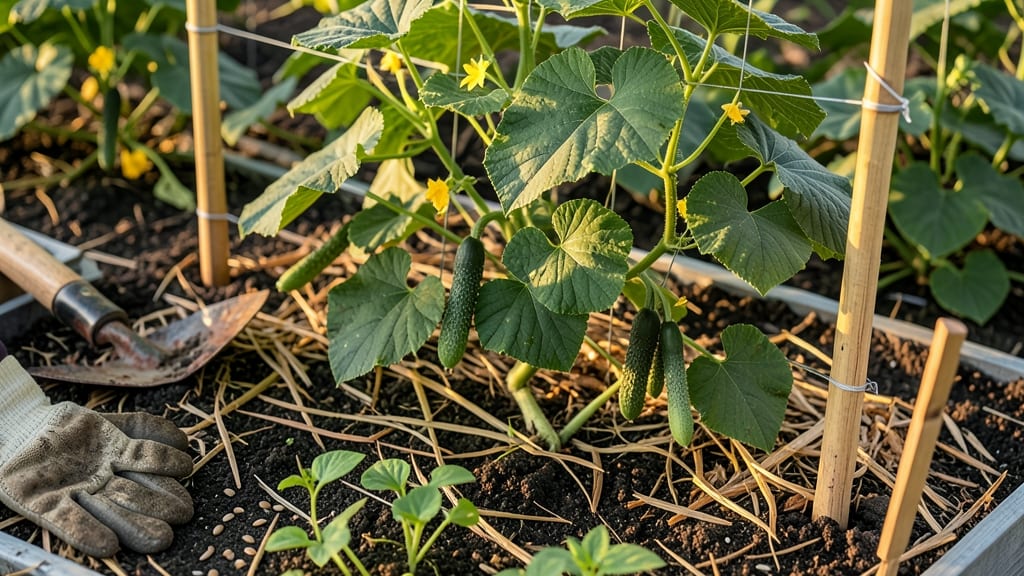
Central Florida cucumber planting calendar: exact months to avoid bolting
Central Florida’s USDA Zones 9b-10a create a unique challenge for cucumbers—they thrive in heat but bolt (flower prematurely) when stressed by extreme temperatures. The key? Planting during two precise windows: early spring and late summer, when soil temps stay between 60°F and 85°F.
Outside these windows, your vines will race to flower before producing fruit, leaving you with bitter, seedy cucumbers.
Most gardeners in Orlando, Tampa, or Gainesville focus on February-March for spring and July-August for fall plantings. But timing isn’t just about months—it’s about soil temperature.
Use a soil thermometer to confirm readings of at least 60°F before planting. Cold soil slows germination, while soil above 90°F triggers bolting within days.
Here’s the non-negotiable rule: Never plant cucumbers in Central Florida’s peak summer heat (May-June). The combination of 95°F+ soil temps and high humidity forces plants to bolt in under 10 days. Even shade won’t save them—heat stress is irreversible at this stage.
🌱
| Planting Window | Ideal Soil Temp | Key Climate Factor | Harvest Window | Risk Level |
|---|---|---|---|---|
| February 15 - March 15 | 60°F - 75°F | Cool nights (<70°F) | April - May | Low (spring bolting rare) |
| July 1 - August 15 | 75°F - 85°F | Humidity <70% | September - October | Medium (heat stress possible) |
| April 1 - May 15 | Above 85°F | Soil temps >90°F | None (bolting guaranteed) | High (planting disaster) |
| September 1 - October 15 | 65°F - 78°F | Drying winds | November (limited) | Medium (late-season stress) |
💡 Pro Tip: Use black plastic mulch in summer to keep soil temps stable and reduce bolting by 40%.
Microclimates in Central Florida add another layer of complexity. Coastal areas like Daytona Beach stay warmer longer, while inland cities like Lakeland experience cooler nights. Adjust your planting dates by 1-2 weeks later in coastal zones if you notice soil temps lagging behind inland areas.
A simple weekly soil check can save your entire crop.
For spring plantings, aim to have cucumbers established before April’s heat spikes. Seedlings planted in late March will bolt by May if not given consistent afternoon shade.
Use 30-40% shade cloth during peak sun hours (12 PM - 4 PM) to buy time for vines to mature. Remove the cloth once fruit sets to ensure proper pollination.
Fall plantings require even more precision. July-August is your only shot, but August 15+ plantings often fail due to hurricane season and soil drying. Prioritize drought-resistant varieties like ‘Straight Eight’ and mulch heavily with straw to retain moisture.
If a storm hits, cucumbers will recover faster from root damage than from heat stress.
🌡️
One common mistake? Relying on air temperature instead of soil temperature. A 75°F afternoon might feel perfect, but if the soil is 95°F, your seeds will rot or bolt immediately.
Invest in a $15 soil thermometer—it’s the difference between a 50-pound harvest and zero cucumbers. Plant in morning hours when temps are cooler to give seedlings a fighting chance.
Finally, succession planting every 2 weeks within your window extends harvests by 3-4 weeks. For example, plant February 1, 15, and 28 for a staggered spring harvest. This ensures you’re always picking fresh cucumbers instead of dealing with a bolting free-for-all when the first batch flowers all at once.
Central Florida cucumber planting calendar: exact months to avoid bolting
Central Florida’s USDA Zones 9a-10a offer two prime windows for cucumber planting: early spring and late summer. The key is avoiding the brutal summer heat (June-August), which triggers premature bolting—when plants flower and fruit too quickly, producing bitter, seedy cucumbers.
Timing your plantings around soil temperatures and humidity shifts is critical for sweet, tender harvests.
For spring plantings, aim for mid-February to early March when soil temps hit 60°F+. This gives vines time to establish before April’s heat ramps up. Fall plantings should start in late July to early August, allowing harvests before first frost risks (rare but possible in December).
Missing these windows often means bolting or poor fruit set.
Why these months work: Soil stays cool enough to prevent bolting, while humidity remains high enough to support consistent pollination. For example, planting in April risks 30°F+ soil temps, which stresses roots and triggers early flowering. Similarly, September plantings may face hurricane season disruptions or late-summer heat spikes.
🌱 Central Florida Cucumber Planting Summary
| Season | Planting Window | Soil Temp | Harvest Window | Key Risks |
|---|---|---|---|---|
| Spring | Mid-February to Early March | 60°F+ | April–May | Late frost (rare), sudden heat spikes |
| Fall | Late July to Early August | 65°F+ | September–October | Hurricane season, late-summer heat |
💡 Pro Tip: Use a soil thermometer to confirm temps before planting—below 55°F delays germination.
Central Florida’s microclimates add complexity. Coastal areas (like Daytona Beach) stay warmer longer, while inland zones (like Orlando) cool faster at night. Adjust planting dates 1-2 weeks later in coastal zones to avoid June’s extreme heat.
For example, Orlando gardeners can plant early February, while Cocoa Beach should wait until late February.
Watch for false starts: A cool snap in March might slow growth, but April’s heat can still cause bolting.
Use shade cloth (30-50%) during 10 AM–2 PM to protect vines until they’re established. Mulch heavily with straw or black plastic to stabilize soil temps and retain moisture—critical during dry spells.
If you miss the ideal windows, don’t despair! Succession planting (every 2-3 weeks in spring/fall) stretches harvests. For example, plant one batch in late February, another in early March, and a final batch in late July.
This ensures continuous cucumbers from April through October, avoiding the bolting trap of single-season plantings.