
Planting
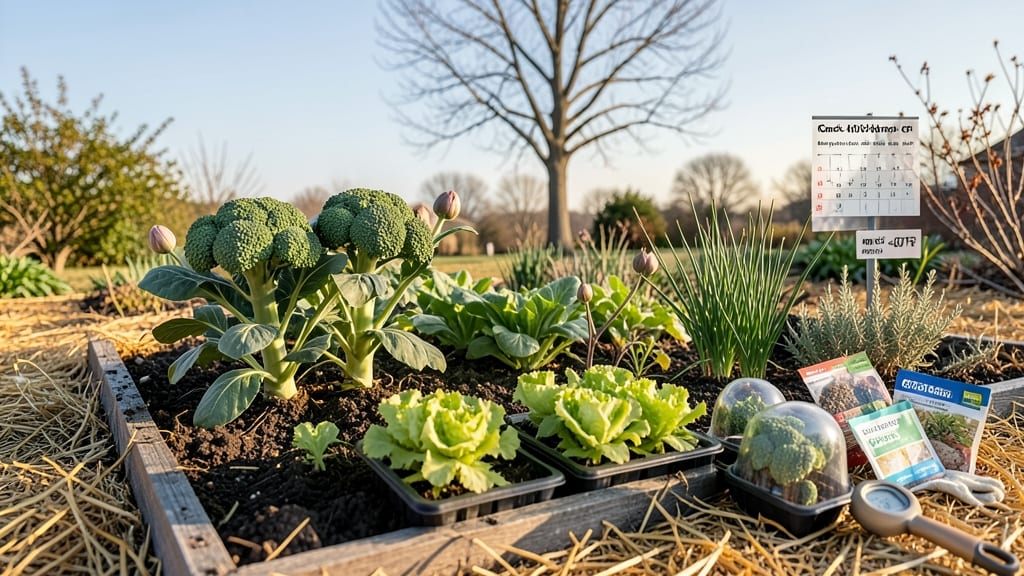
Timing your garden planting in CT isn't just about following a calendar—it's about beating the unpredictable frost that can turn your hard work into a gamble.
With last frosts creeping in as late as April 15 in some zones, and first frosts arriving by October 15, knowing the exact window for your 🌱 General Garden Plants (Spring/Fall Crops) could mean the difference between a bountiful harvest and a sad, wilted disappointment.
I've spent years watching Connecticut gardens thrive—and fail—because of planting mistakes, and the most common error? Starting too early or too late. Whether you're growing cool-season crops like lettuce or warm-season favorites like tomatoes, the 6a-6b climate demands precision.
The good news? With the right schedule, you can stretch your growing season from early spring through fall, even in unpredictable years.
In this guide, I'll break down the exact planting deadlines for your region, including how to adjust for microclimates like river valleys or hilltops. You'll learn which crops to start indoors, when to direct-sow, and how to protect your plants from late frosts.
No more guessing—just a foolproof system tailored to Connecticut's unique growing conditions.
Let's get your garden off to the right start with a timeline that actually works for CT's 165 frost-free days. Your future harvest depends on it!
Connecticut planting zones & last frost dates by region
Connecticut’s USDA Zones 5b-6b mean your planting schedule depends heavily on where you live. The last spring frost can vary by 2-3 weeks between northern and southern regions, while coastal areas often enjoy warmer microclimates.
For example, Hartford typically sees its final frost around April 15, while New Haven holds off until April 22, and coastal towns like Groton may avoid frost until May 1.
Understanding these frost-free windows is critical—planting warm-season crops like tomatoes too early can shock seedlings, while cool-season crops like spinach planted too late may bolt.
The first fall frost also shifts: inland areas like Waterbury often freeze by October 15, while coastal regions like Stamford may stretch until October 25.
Microclimates add complexity. River valleys (e.g., Farmington Valley) stay warmer longer, while hilly areas (e.g., Litchfield Hills) freeze earlier. Even a 5-degree difference can mean the difference between a thriving garden and a failed crop.
To plan accurately, check the CT Agricultural Experiment Station’s frost maps or use the National Weather Service’s local frost alerts. These tools provide real-time adjustments for your specific neighborhood.
| Region | USDA Zone | Avg. Last Spring Frost | Avg. First Fall Frost | Frost-Free Days |
|---|---|---|---|---|
| Northern CT (e.g., Hartford, Torrington) | 5b-6a | April 10-15 | October 10-15 | 150-160 |
| Central CT (e.g., New Haven, Middletown) | 6a-6b | April 15-22 | October 15-20 | 160-170 |
| Southern CT (e.g., Bridgeport, Stamford) | 6b-7a (coastal) | April 22-May 1 | October 20-25 | 170-180 |
| Farmington Valley (microclimate) | 6a | April 20 | October 20 | 180 |
| Litchfield Hills (hilly) | 5b | April 5 | October 5 | 145 |
Use these dates as a general guideline, but always monitor weekly forecasts in late April and September. A sudden cold snap can push frost dates back by weeks, while an early heatwave might extend your growing season.
For container gardens or raised beds, you can push limits slightly—these warm up faster in spring and retain heat longer in fall. However, root vegetables like carrots or potatoes still need stable soil temperatures above 50°F to thrive.
Pro tip: Start a frost journal for 3 years to track your local patterns. Note when your neighborhood’s frost differs from official averages—these records become your most reliable planting guide.
Remember, cool-season crops like kale and peas can handle light frosts, while warm-season crops like cucumbers and beans will wilt if exposed to temps below 55°F. Plan accordingly!
🌱
Best planting schedule for CT gardens: cool vs. warm season crops
Timing your Connecticut garden depends on whether you're planting cool-season crops like lettuce or warm-season crops like tomatoes. The difference between these two categories can mean the difference between a thriving harvest and a sad, wilted disappointment.
Cool-season crops thrive in 50-65°F soil and can handle light frosts, while warm-season crops need 60°F+ soil and won't survive below 50°F.
For Connecticut's USDA Zones 5b-6b, your planting window typically opens around April 15 for cool-season crops and May 15 for warm-season crops. However, these dates can shift by 2-3 weeks depending on whether you're in coastal New Haven (warmer) or inland Hartford (cooler).
Always check your local last frost date—this is your garden's North Star.
🌱
Pro tip: Use succession planting to maximize your CT garden's potential. For example, sow radishes every 2 weeks from April to August—they mature in just 30 days and leave space for slower growers like carrots. Similarly, bush beans can be planted in 3-week intervals to ensure a steady supply.
Don't forget about herbs—they often get overlooked in planting schedules. Cilantro and parsley thrive in cool weather, while basil and oregano need warm soil.
Plant cilantro in early spring and fall, but move basil to containers if you want to keep it growing past September 1—it bolts (goes to seed) when nights get cool.
🌿
For container gardening, adjust these timelines slightly. Potted plants warm up faster in spring (great for early basil) but also cool down quicker in fall. Bring sensitive containers indoors by October 1 to extend their life.
And if you're using raised beds, they'll warm up 2-3 weeks earlier than in-ground soil—perfect for early planting of warm-season crops.