
Plants
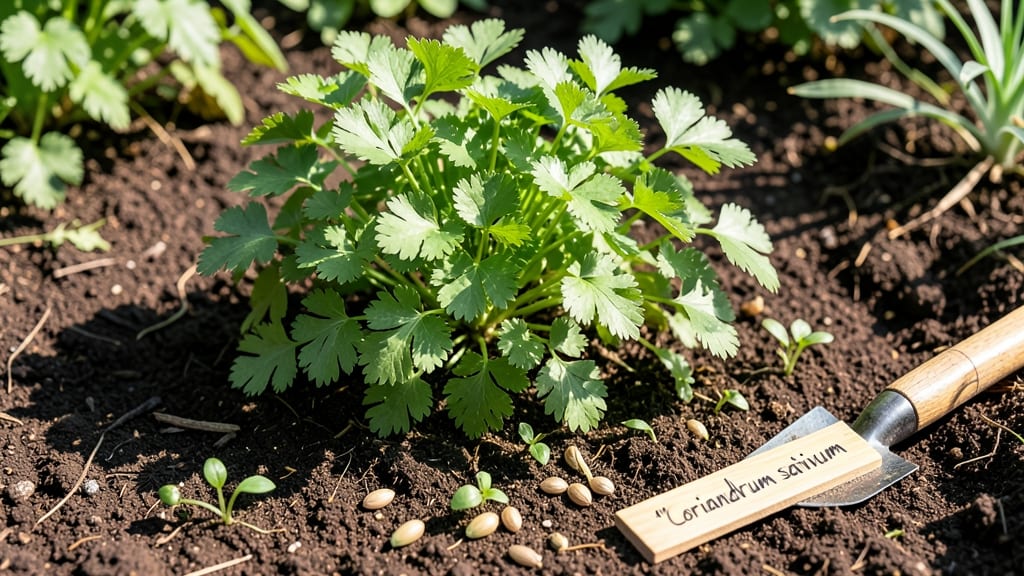
If you’ve ever planted cilantro in Florida only to watch it bolt into bitter flowers before you can harvest, you’re not alone.
The key to growing lush, flavorful 🌿 cilantro all year lies in timing—avoiding the brutal summer heat that triggers bolting and making the most of Florida’s frost-free growing windows.
Florida’s 9a-11 climate means you can plant cilantro year-round, but the secret to success is focusing on fall and winter months when temperatures stay mild. This is when your cilantro thrives, delivering those fresh, vibrant leaves you crave in tacos, soups, and salads.
In this guide, I’ll break down the best planting windows to avoid bolting, share pro tips for extending your harvest, and even show you how to salvage cilantro if summer heat sneaks up on you.
Whether you’re growing in containers or in-ground, these strategies will keep your cilantro happy and productive.
Ready to stop the bolting frustration? Let’s get your cilantro growing right—no more wasted plants, just fresh flavors all season long.
Optimal Florida planting windows for cilantro (avoiding bolting)
Florida’s warm climate makes cilantro a tricky herb to grow—it thrives in cool weather but bolts (goes to seed) quickly when temperatures rise above 80°F. The key to success is planting during fall and winter months when soil temperatures stay mild.
In North Florida (Zones 8-9), your best window is September through March, while South Florida (Zones 10-11) gardeners can extend planting into April.
Cilantro’s ideal soil temperature for germination is 60-75°F, but it struggles when daytime highs exceed 75°F. Florida’s humid summers and intense sunlight accelerate bolting, so timing is everything.
Plant too early in spring, and you’ll face heat stress; too late in fall, and you might miss the harvest window before cold snaps arrive in North Florida.
Here’s the golden rule: Aim to harvest cilantro before April 15 in North Florida and May 1 in South Florida. After that, the heat becomes too intense, and your plants will bolt within weeks.
For example, if you plant cilantro in January, you’ll likely have a 6-8 week harvest window before summer heat sets in.
Microclimates in Florida also play a role. Coastal areas (like Miami or Tampa) stay warmer longer, giving you a slightly later window for spring planting (up to March 15).
Meanwhile, inland cities (such as Orlando or Gainesville) may experience cooler nights, allowing for earlier fall plantings (as early as August 1) without bolting.
🌱 Cilantro Planting Timeline for Florida
| Month | Best Planting Time | Harvest Window | Bolting Risk |
|---|---|---|---|
| September | Early September (North FL) / Late August (South FL) | October - November | Low (cool nights) |
| October | Mid-October (Statewide) | November - December | Low to Moderate |
| November | Early November (North FL) / Late October (South FL) | December - January | Low (winter chill) |
| January | Mid-January (North FL) / December (South FL) | February - March | Moderate (spring warming) |
| February | Early February (Statewide) | March - Early April | High (late-season heat) |
| March | Only in South FL (before April 1) | Limited harvest (bolting risk) | Very High |
💡 Pro Tip: Use shade cloth (30-50%) to extend the spring planting window by 2-3 weeks.
If you’re in North Florida (Zones 8-9), don’t overlook the fall planting window. While South Florida can squeeze in a spring crop, North Florida’s cooler winters make fall the best bet.
For example, planting cilantro in October gives you a 3-month harvest before winter chills arrive. In South Florida, where winters are mild, you can even plant cilantro in December for a spring harvest.
Soil temperature is just as critical as air temperature. Use a soil thermometer to check depths of 1-2 inches. Cilantro seeds won’t germinate well in soil above 80°F.
In summer months, even if daytime temps are tolerable, the soil heat can still trigger bolting. For instance, June plantings
Optimal Florida planting windows for cilantro (avoiding bolting)
Florida’s warm winters and humid summers create a tricky climate for cilantro, which thrives in cool temperatures between 60°F and 75°F. Planting outside this range triggers bolting—when cilantro shoots up flower stalks, turning bitter. My best advice? Focus on fall and winter months when temperatures naturally drop.
In North Florida (Zones 8a-9a), aim for September through November and February through April. Coastal areas like South Florida (Zones 10a-11) can extend planting into late spring (May) before summer heat sets in. The key is avoiding soil temps above 75°F, which signals cilantro to bolt.
Here’s why timing matters: Cilantro’s life cycle accelerates in heat. A seedling planted in June may bolt in just 3 weeks, while one planted in October can grow for 60 days before flowering. Microclimates play a role too—shady spots under trees or elevated beds stay cooler longer.
For container gardening, you can push boundaries slightly. Pots heat up faster, but black fabric pots absorb less heat than plastic. I’ve had success planting cilantro in shaded balconies during June and July by watering twice daily and using 50% shade cloth.
Just monitor closely—cilantro won’t forgive neglect in summer!
Pro tip: Use a soil thermometer to check temps before planting. Aim for 60°F–70°F at a 2-inch depth. If your soil runs hotter, wait 2–3 weeks or plant in raised beds with peat moss to insulate roots. Patience here pays off with flavorful, non-bitter cilantro.
Remember, Florida’s microclimates vary wildly. A Gainesville garden might see frost in January, while Miami stays warm year-round. Adjust your schedule based on your local last frost date (if applicable) and shade availability.
With the right timing, you’ll enjoy fresh cilantro from fall through spring—no bitter surprises! 🌿