
Plants
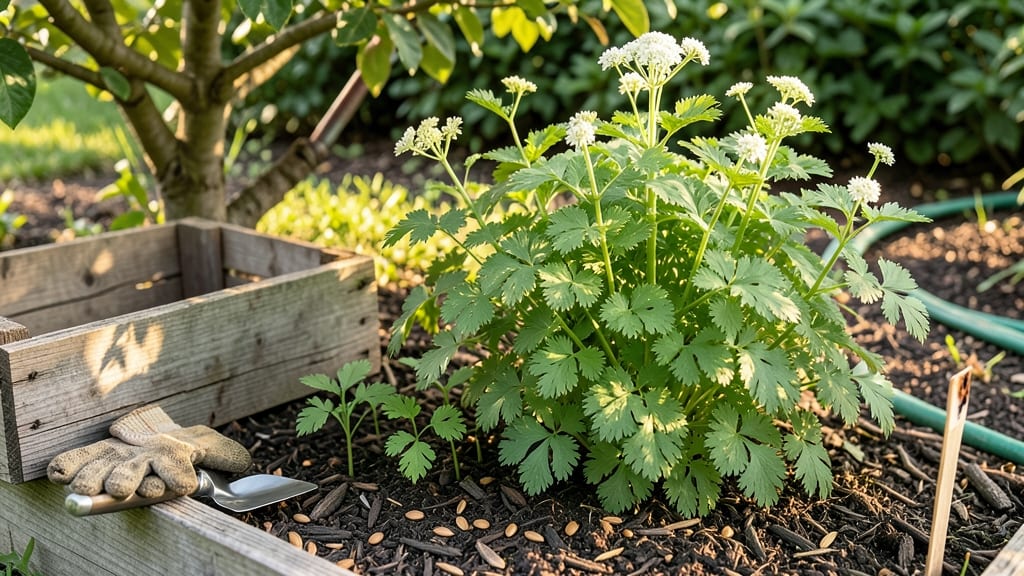
If you've ever planted cilantro in Oklahoma only to watch it bolt into bitter seeds before you can even make guacamole, you're not alone. The key to success? Timing your planting windows perfectly to match Oklahoma's 6b-7a climate—where spring and fall are your best friends.
Most gardeners make the mistake of planting too early or too late, setting their cilantro up for failure. But with the right strategy, you can enjoy fresh 🌿 cilantro from May through November—no bitter surprises included.
I'll show you exactly when to start seeds indoors or direct-sow outdoors for maximum flavor and minimal bolting.
We'll cover the ideal planting dates for both spring and fall, plus how to handle Oklahoma's tricky heat transitions. Whether you're a first-time gardener or a seasoned green thumb, these tips will help you grow cilantro that stays tender and delicious all season long.
Ready to stop the bolting frustration? Let's dive into the perfect planting schedule that actually works for Oklahoma's growing conditions—and keep your cilantro happy from seed to harvest.
Oklahoma’s best planting windows for cilantro (avoiding bolting disaster)
Timing is everything when growing cilantro in Oklahoma’s USDA zones 6b-7a, where heat and long daylight trigger rapid bolting. The key is planting during cooler months when soil temps stay below 75°F (24°C)—this prevents the bitter, seed-producing stage that turns your fresh herb into a sad, bolted mess.
Let’s break down the perfect planting windows and how to avoid common pitfalls.
Oklahoma’s spring and fall seasons offer the best chances for success. Spring planting should happen 4-6 weeks before your last frost date (typically mid-March to early April), while fall planting should start 8-10 weeks before your first frost (usually late August to early September).
These windows align with soil temperatures that cilantro loves—50-70°F (10-21°C)—and daylight hours that won’t overwhelm the plant.
Here’s why these windows work: Spring gives cilantro time to mature before Oklahoma’s summer heat arrives, while fall allows it to grow as days shorten and temps cool. Missing these windows? You’ll likely end up with bolted cilantro by June or October, ruining your harvest plans.
| Season | Planting Window | Soil Temp | Daylight Hours | Harvest Window |
|---|---|---|---|---|
| Spring | March 15 – April 15 | 50-70°F (10-21°C) | 12-14 hours | May – June |
| Fall | August 15 – September 15 | 50-70°F (10-21°C) | 10-12 hours | October – November |
If you’re planting in northern Oklahoma (zone 6b), you might squeeze in a late summer planting around July 1-15, but be prepared for faster bolting.
For southern Oklahoma (zone 7a), focus strictly on spring and fall—summer heat will turn your cilantro into a science experiment you don’t want to repeat.
Pro tip: Use a soil thermometer to confirm temps before planting. Cilantro roots prefer cool soil, and if it’s above 75°F (24°C), even the hardiest varieties will bolt within weeks.
I once planted cilantro in late April thinking it was safe—only to watch it bolt by Memorial Day. Lesson learned: Wait until soil cools.
Another critical factor is daylight length. Cilantro is a long-day plant, meaning it bolts when days exceed 14 hours of light. In Oklahoma, this happens by late May, so any cilantro planted after mid-April risks bolting before harvest.
Fall plantings avoid this by leveraging shorter days in September and October.
For gardeners in higher elevations (e.g., Oklahoma City vs. Tulsa), adjust your timing by 1-2 weeks. Cooler mountain air delays heat buildup, giving you a slightly extended spring window. Meanwhile, low-lying areas like the Ardmore region may need to start fall plantings earlier to avoid early freezes.
Finally, don’t forget succession planting! Plant new cilantro every 2-3 weeks during your chosen window to ensure a continuous harvest. For example, start with March 15, then add batches on April 1 and April 15 to stagger maturity.
This way, you’re always harvesting fresh leaves instead of dealing with a one-time bolting disaster.
Bolting isn’t just about flavor—it also means seed production, which can lead to volunteer cilantro popping up everywhere next year. If you’re not planning for seeds, harvest before flowers appear to keep your cilantro tasting like fresh, vibrant greens all season.
How to extend cilantro’s growing season in Oklahoma’s heat
Oklahoma’s scorching summers can turn your cilantro into a bitter, bolted mess faster than you can say "taco Tuesday." But with the right strategies, you can stretch your harvest well beyond the traditional spring window. The key? Heat management, succession planting, and smart companion choices.
First, focus on shade solutions—cilantro thrives in partial sun (4-6 hours max). Use 30-50% shade cloth during peak afternoon heat (12 PM–4 PM) to prevent bolting. This simple trick can buy you 2-3 extra weeks of harvestable greens in late spring or early fall.
For a continuous supply, practice succession planting every 2-3 weeks from March through May. Start with slow-bolting varieties like 'Santo' or 'Calypso', then follow up with shorter-season types as temps rise. This way, you’ll always have young, tender leaves ready for harvest—even when older plants bolt.
Don’t overlook companion planting! Pair cilantro with leafy greens like lettuce or slow-growing herbs like dill to create a microclimate that stays cooler. Avoid planting near fennel or coriander (they’re cilantro’s cousins but compete aggressively).
A mulch layer of straw or wood chips also helps retain moisture and insulate roots from heat spikes.
Know when to harvest for flavor: Pick leaves when plants are 6-12 inches tall but before flower buds form. Use sharp scissors to snip outer stems, leaving the inner growth intact. Regular harvesting triggers bushier regrowth and delays bolting by 10-14 days compared to neglecting your plants.
When all else fails, treat cilantro like a cool-season annual. If your garden hits consistent 85°F+ temps by June, pull up plants and sow new seeds in containers on your patio. A 5-gallon pot with morning sun and afternoon shade can yield 3-4 harvests before frost—perfect for late-summer salads.
With these tricks, you’ll enjoy fresh cilantro year-round in Oklahoma—no bitter surprises in sight! 🌿