
Flowers
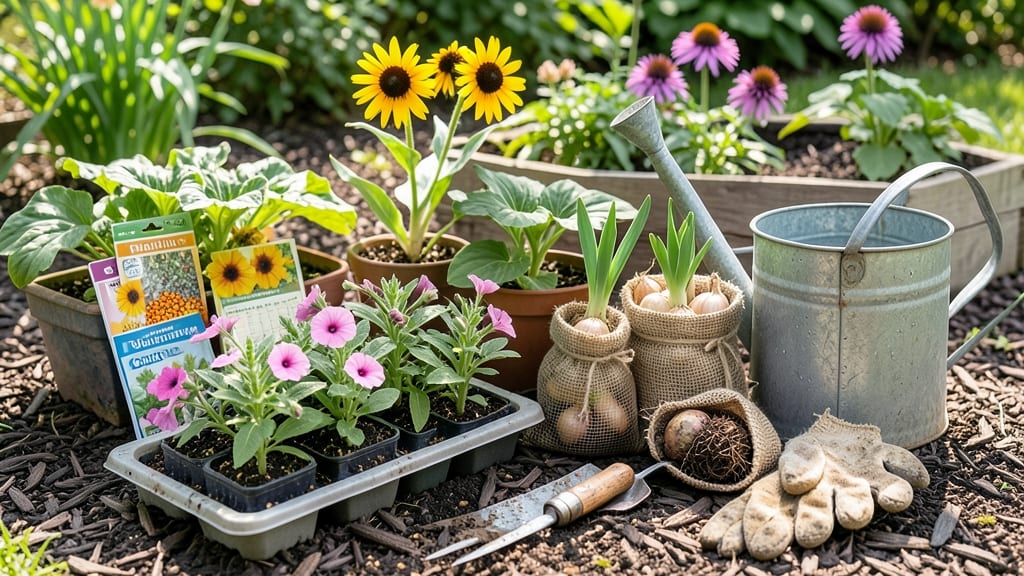
Timing your flower planting in New York can make or break your garden’s success—especially with frost dates that shift from April 15 in NYC to May 1 in Buffalo.
Knowing the perfect window to plant your 🌸 ensures vibrant blooms, not wilted disappointment, whether you're in the city or Upstate.
With USDA Zones 5a-7b across the state, the key is planting after the last frost in late April to mid-May for spring bloomers or in early September to October for fall varieties. This isn’t just guesswork—it’s about matching your flowers to New York’s unpredictable climate.
I’ll break down the best flowers for each month, from cold-hardy pansies to heat-loving zinnias, and share pro tips to extend your season without frost risk. Whether you’re a city balcony gardener or have a backyard plot, these strategies will help you grow a garden that thrives year-round.
Ready to transform your space? Let’s dive into the exact planting schedule and techniques that work for New York gardens—no matter where you live in the state.
New York planting zones & frost-free dates by region
New York’s diverse climate—from USDA Zone 5a in the Adirondacks to Zone 7b in Long Island—means your planting timeline depends heavily on where you live. Last frost dates can vary by 2-3 weeks across the state, so knowing your microclimate is critical.
For example, NYC typically sees its last frost around April 15, while Buffalo averages May 1. Urban areas like Brooklyn may experience earlier warming due to the "heat island effect," while rural Upstate regions can linger in frost longer.
To pinpoint your exact frost-free window, check the Cornell University Garden Resources or use the National Weather Service’s frost calendar.
These tools account for microclimates, like south-facing slopes that warm faster or low-lying areas prone to late frosts. Bulbs like tulips can handle Zone 5 winters, but tender annuals like petunias need to wait until after May 10 in most areas.
Here’s how to adjust for New York’s three key regions:
For urban gardeners, microclimates matter even more. A rooftop garden in Manhattan might warm up 1-2 weeks earlier than a backyard in Queens, while valleys and shaded areas can delay frost by 10+ days.
Always plant heat-loving annuals like zinnias after May 15 in most zones, and cool-season crops like pansies can handle March plantings if protected.
Pro tip: Use frost cloth or row covers to extend your planting window by 2-3 weeks in spring or fall. This is especially useful for Zone 5 gardeners who want to plant marigolds or cosmos earlier than the official frost date. Just remove covers during the day to avoid overheating.
If you’re unsure about your local frost date, plant cold-hardy flowers first, like calendulas or snapdragons, which can tolerate light frosts. These act as sacrificial plants while you monitor your microclimate.
For tender perennials like lavender, wait until after May 20 in most of New York to avoid frost damage.
Remember: Fall planting for bulbs (like daffodils and tulips) should happen 6-8 weeks before the first frost. That means early September in NYC and mid-September in Upstate regions. Don’t wait too late—bulbs need time to establish roots before winter sets in.
For container gardening, which is popular in NYC and urban areas, use heat-absorbing materials like black pots to warm soil faster. This can shave 5-7 days off your planting timeline compared to traditional terracotta. Just ensure containers have drainage holes to prevent root rot during New York’s humid summers.
Finally, track your local frost dates for 3 years to identify patterns. Weather stations like Cornell’s or NOAA’s provide historical data, but your personal garden journal is the most accurate tool.
Adjust your planting schedule yearly based on these records—New York’s climate is changing, and frost dates are shifting earlier in spring and later in fall.
Best flowers to plant by month in New York gardens
New York’s diverse climate lets you plant flowers year-round, but timing is everything. March is perfect for hardy perennials like peony and iris, while April kicks off the rush for annuals like petunias and marigolds.
Each month offers unique opportunities—fall even lets you prep for spring blooms with bulbs like tulips and daffodils. Let’s break it down month by month so you never miss a bloom.
For cold-hardy flowers, March is your window—plant pansies and snowdrops in Zone 6-7 areas like Long Island or NYC.
By April, most of Upstate New York (Zones 5-6) is safe for annuals and perennials. June is ideal for heat-loving varieties like zinnias and sunflowers, while September lets you sneak in fall bulbs for next spring’s color.
Miss these windows, and you risk frost damage or bolting.
Plant cold-hardy perennials like heuchera and crocus. Zone 6-7 only—wait until soil warms in Zone 5.
Safe for annuals (petunias, marigolds) and spring bulbs (tulips, daffodils). NYC/Long Island: mid-April; Upstate: late April.
Last call for cool-season crops (pansies, snapdragons). Start succession planting for summer blooms like cosmos.
Heat-lovers thrive: zinnias, sunflowers, and lantana. Direct-sow or transplant after last frost.
Plant fall bulbs (crocus, tulips) and hardy annuals (pansies, sweet alyssum) for winter color.
Last chance for spring-planted bulbs (daffodils, hyacinths). Zone 5: early October; Zone 7: mid-October.
Don’t overlook container gardening—it’s a game-changer for urban NYC or small spaces. Petunias and geraniums thrive in pots and can be planted 2-3 weeks later than in-ground flowers.
For fall blooms, try chrysanthemums or aster—they handle cooler temps better than most annuals. Pro tip: Use slow-release fertilizer in containers to avoid overwatering.
If you’re in Zone 5 Upstate, wait until May 1 for heat-sensitive annuals like impatiens. Meanwhile, Zone 7 Long Island gardeners can plant tropicals (e.g., begonias) as late as June 15.
Check your local frost dates—the NYS Extension website has region-specific guides. Microclimates matter too: South-facing walls warm up faster, letting you plant 2 weeks earlier.
For perennials, fall planting (September–October) gives roots time to establish before winter dormancy. Coneflowers and black-eyed Susans are Zone 5-9 workhorses—plant them in early fall for next summer’s blooms. Deadhead spent flowers in late summer to encourage fall reblooms in varieties like coreopsis.
And always mulch after planting to protect from freeze-thaw cycles.
New York’s short growing season demands strategy. Use succession planting for annuals—sow marigolds every 3 weeks from May to July for continuous color. For bulbs, plant in layers: tulips first (deepest), then daffodils, topped with crocus.
This maximizes spring blooms and space. With these month-by-month cues, your New York garden will bloom like a pro—frost-free and fabulous.