
Flowers
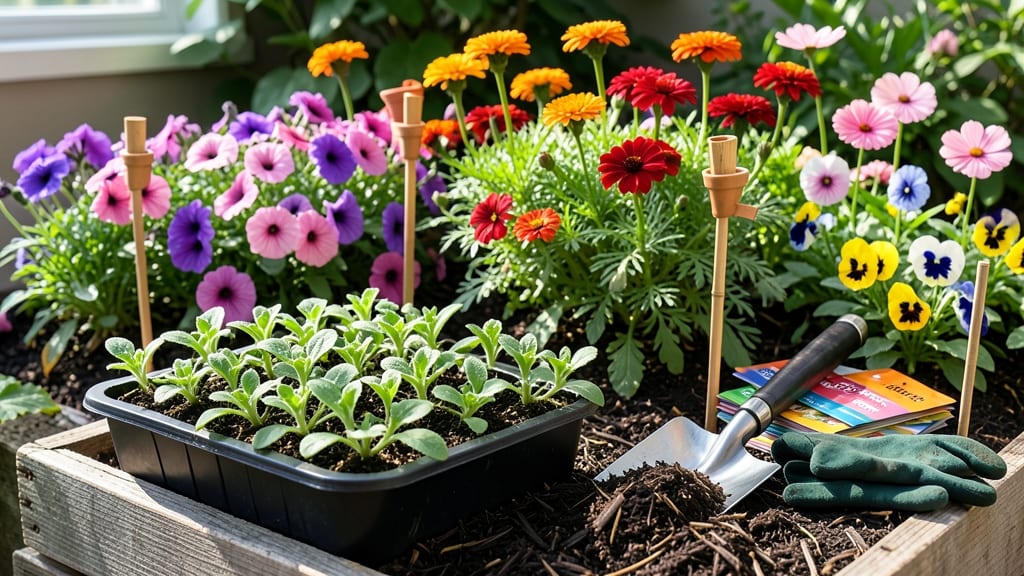
Timing your flowers in Colorado planting can make or break your garden's success—especially when you're dealing with 5-7 USDA zones and unpredictable mountain weather. If you've ever watched your delicate 🌸 blooms freeze overnight or struggle in the heat, you know how critical getting the schedule right really is.
Most Colorado gardeners swear by the March-May window for spring planting, but the real magic happens when you account for your specific microclimate.
Whether you're in the Front Range or the Western Slope, understanding your last frost date—usually around April 15—is the key to avoiding common mistakes that leave your garden looking more like a science experiment than a floral paradise.
In this guide, I'll break down exactly when to plant your favorite annuals, perennials, and native wildflowers for year-round color.
You'll discover how to start seeds indoors, time your outdoor transplants perfectly, and even adjust for those tricky microclimates that can make all the difference between thriving blooms and wilted dreams.
Ready to transform your Colorado garden into a vibrant, low-maintenance showstopper? Let's dive into the zone-specific planting schedule that will have your flowers blooming stronger and longer than ever before.
Colorado planting Zones: when to plant flowers by USDA zone (4-8)
Colorado’s diverse landscapes—from the high-altitude Rockies to the dry Front Range plains—create wildly different planting windows. The state spans USDA Zones 4-8, meaning your Denver garden (Zone 5) has a 3-week earlier last frost than Grand Junction (Zone 7).
Let’s break down the exact months for annuals, perennials, and bulbs in each zone.
Most Colorado gardeners focus on two key planting windows: spring (March-May) and fall (August-September). Spring is ideal for cool-season flowers like pansies and tulips, while fall gives perennials time to establish roots before winter.
But timing varies by elevation and microclimate—mountain gardens may need to wait until May 15 or later, while lower elevations can start as early as March 1.
Here’s how to match your zone to the perfect planting schedule:
| Zone | Spring Planting Window | Fall Planting Window | Last Frost Date | Key Flowers |
|---|---|---|---|---|
| Zone 4 (High Mountains: Aspen, Leadville) | May 15 - June 15 | August 1 - September 1 | May 20 - June 5 | Tulips, Columbine, Delphinium |
| Zone 5 (Denver, Fort Collins) | March 15 - April 30 | August 15 - September 15 | April 15 - May 1 | Petunias, Marigolds, Coneflowers |
| Zone 6 (Colorado Springs, Boulder) | March 1 - April 15 | August 10 - October 1 | April 1 - April 15 | Dahlias, Black-Eyed Susans, Lavender |
| Zone 7 (Grand Junction, Pueblo) | February 15 - March 30 | September 1 - October 15 | March 15 - April 1 | Zinnias, Snapdragons, Roses |
For high-altitude gardens (Zones 4-5), wait until soil warms to 50°F (10°C)—use a soil thermometer to avoid frost damage. In lower elevations (Zones 6-7), you can plant heat-loving annuals like zinnias as early as February under row covers.
Always check your local CoCoRaHS frost date maps for precise timing.
Microclimates matter too! A south-facing slope warms 2-3 weeks earlier than a north-facing yard. Use windbreaks in exposed areas to protect delicate flowers like tulips and lilies from chilly mountain winds.
If you’re unsure, opt for cold-hardy varieties like columbine or blanket flower, which thrive in Colorado’s variable conditions.
Pro tip: Start tender perennials (like dahlias) indoors in February for a longer bloom season. Harden them off by mid-April and transplant after the last frost. For bulbs like tulips, plant in fall (October-November) so they establish roots before winter.
Colorado’s short growing season demands smart planning. By aligning your planting with your USDA zone and microclimate, you’ll enjoy bold, long-lasting blooms from spring through fall—even in the thin mountain air.
Next, we’ll dive into the best flowers for each season, with exact planting months tailored to Colorado’s climate quirks.
🌱
Best flowers to plant by season in Colorado (with exact months)
Colorado’s four distinct seasons create perfect windows for planting flowers that thrive year-round. Whether you’re chasing spring bulbs, summer annuals, or fall perennials, timing is everything. Here’s my foolproof seasonal planting calendar for Colorado gardens.
For spring bloomers like tulips and daffodils, start planting bulbs in October-November—they’ll reward you with vibrant color by May. Meanwhile, annuals like petunias and marigolds love late April to early June when soil warms to 50°F (10°C).
🌸
Don’t overlook fall planting—it’s when many perennials like mums and asters establish roots for next year’s blooms. Aim for August-September so they have time to grow before winter’s chill sets in.
For mountain regions (USDA Zone 4-5), delay spring planting until May 15 to avoid late frosts. Meanwhile, Front Range gardeners (Zone 6-7) can start as early as April 1 for hardy varieties like bearded iris.
Pro tip: Use mulch in fall to protect bulbs and perennials from freezing temperatures—it’s my secret to extending bloom seasons by 2-3 weeks! ☀️