
Flowers
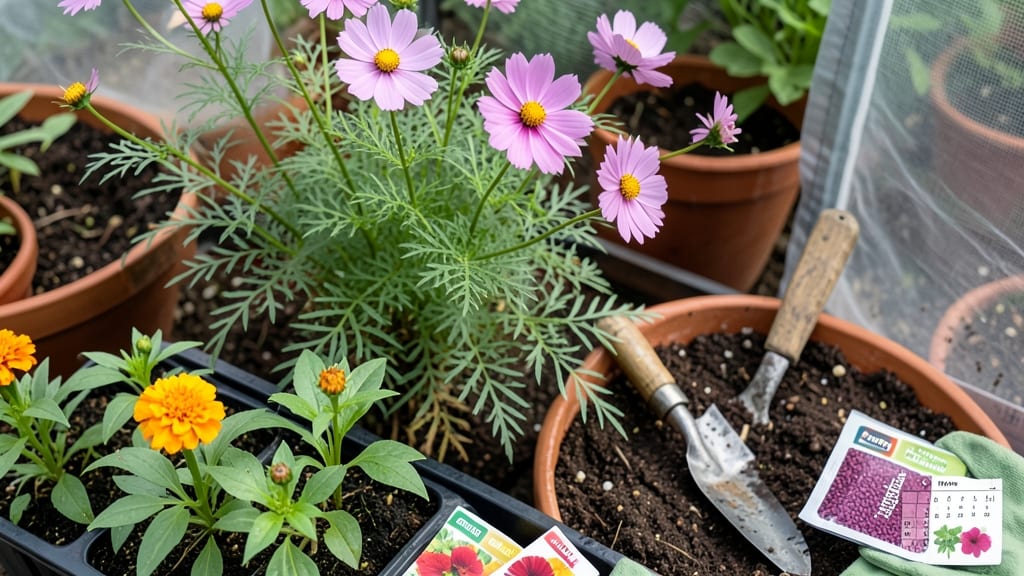
Timing your flower seeds 🌸 planting in Illinois isn't just about following a calendar—it's about outsmarting the state's unpredictable weather swings, from Chicago's lake-effect chill to St. Louis' early heat waves.
If you've ever watched your 🌸 flower seeds wither overnight after a surprise frost or struggled to get vibrant blooms before summer's end, you know how critical the right window is.
The difference between 30 days of blooms and a full 90-day display often comes down to planting just a few weeks earlier—or later—than your neighbor.
I'll break down exactly when to sow your seeds for zero frost risk, including how to adjust for Illinois' USDA Zones 5-6 and microclimates that can shift your ideal planting date by 2-4 weeks—no guesswork required.
Whether you're starting 🌸 flower seeds indoors for early spring color or direct-sowing sun-lovers in summer, you'll learn the precise deadlines that'll have your garden thriving when others are still waiting for their first blooms.
Illinois flower seed planting deadlines by hardiness zone (5a-6b)
Timing your flower seeds correctly in Illinois depends heavily on your USDA hardiness zone (5a-6b) and local frost patterns. Northern Illinois (zone 5a) faces earlier frosts, while southern Illinois (zone 6b) enjoys a longer growing season.
The key is planting after your last average frost date—typically mid-April in the north and late March in the south—but with adjustments for microclimates.
For cool-season annuals like pansies or snapdragons, start seeds 4-6 weeks before your last frost (February-March). Warm-season flowers like marigolds or zinnias should wait until after soil warms to 60°F, usually late April to May.
Perennials like coneflowers can handle cooler soil and often go in early spring or fall.
Here’s how to use the frost-free timeline for Illinois zones:
| Zone | Last Frost Date | Cool-Season Planting | Warm-Season Planting | First Frost Risk |
|---|---|---|---|---|
| 5a (North IL) | Mid-April | Feb 15 - Mar 15 | May 1 - June 1 | Mid-October |
| 5b (Central IL) | Late April | Feb 20 - Mar 20 | April 20 - May 15 | Late October |
| 6a (South IL) | Early April | Feb 25 - Mar 25 | April 1 - May 10 | Early November |
| 6b (Southern IL) | Late March | Mar 1 - Mar 30 | March 20 - April 20 | Mid-November |
Use this table as your planting roadmap, but always check your local frost dates (available via the Midwest Regional Climate Center) for precision. For example, Chicago’s lake-effect can delay spring by 1-2 weeks compared to inland areas.
If you’re unsure about your zone, enter your ZIP code into the USDA Plant Hardiness Zone Map—it’s free and updates annually. Pro tip: Northern Illinois gardeners should prioritize fast-maturing varieties (e.g., cosmos or zinnias) to beat the mid-October frost.
For direct sowing, wait until soil temperatures reach 50°F+ for cool-season flowers or 60°F+ for warm-season varieties. Use a soil thermometer to avoid guesswork—especially in urban heat islands like Chicago, where pavement can raise soil temps by 5-10°F.
Indoor starts give you a 4-6 week head start. Begin cool-season seeds (e.g., lettuce, pansies) in February under grow lights, and warm-season seeds (e.g., tomatoes, marigolds) in March. Harden off seedlings for 7-10 days before transplanting after the last frost.
Remember: Perennials like black-eyed Susans can handle cooler soil and often thrive when planted in early spring or fall. Annuals like sunflowers need consistent warmth, so wait until late April or May in northern zones.
Track your garden’s progress with a planting journal—note when you sow, when sprouts appear, and when flowers bloom. This helps you adjust future planting times based on your microclimate’s quirks.
How to adjust planting times for Illinois microclimates (urban vs. rural)
Illinois' diverse geography creates microclimates that can shift planting windows by weeks—even within the same city. Urban areas like Chicago experience heat islands that delay frost, while rural prairie regions may see earlier freezes. Understanding these variations helps you avoid frost damage or wasted seed packets.
For example, downtown Chicago's concrete jungle can stay 5-10°F warmer than nearby suburbs, extending your late-summer planting by 2-3 weeks. Meanwhile, southern Illinois' Mississippi River valley enjoys 10-14 extra frost-free days compared to northern zones. Let's break down how to adapt your schedule.
| Microclimate | Key Characteristics | Adjust Planting By | Best Tools to Use |
|---|---|---|---|
| Urban Heat Islands | Concrete absorbs heat; 5-10°F warmer than rural areas | Push late-summer planting to August 15 (vs. August 1) | Row covers, shade cloth |
| Northern Prairie Zones | Early frost risk; shorter growing season | Start seeds indoors 4-6 weeks earlier | Cold frames, grow lights |
| River Valleys (e.g., Mississippi) | Extended warmth; 10-14 extra frost-free days | Plant 2 weeks later than zone guidelines | Drip irrigation, mulch |
| Wind-Exposed Areas | Strong winds dry soil faster; higher evaporation | Use windbreaks or plant near fences | Wind barriers, raised beds |
If you're gardening in Chicago's Loop, don't wait until the official last frost date—monitor local weather patterns. The National Weather Service offers 30-day forecasts that can help you predict safe planting windows. For rural areas, check with your local Cooperative Extension office for hyper-local advice.
Another trick? Plant test rows of fast-growing flowers like radishes or lettuce 2 weeks before your target date. If they thrive without damage, it's safe to plant your delicate annuals. This "trial run" method works especially well for northern Illinois gardeners facing unpredictable spring weather.
For late-season blooms, consider using row covers to extend your planting window by 3-4 weeks. These lightweight fabrics trap heat and protect seedlings from light frosts (down to 28°F). Just
Finally, keep a gardening journal to track your local microclimate's quirks. Note when your first frost arrives and which plants thrive in your specific conditions. Over time, you'll develop a personalized planting calendar that beats Illinois' unpredictable weather every time. 🌱