
Flowers
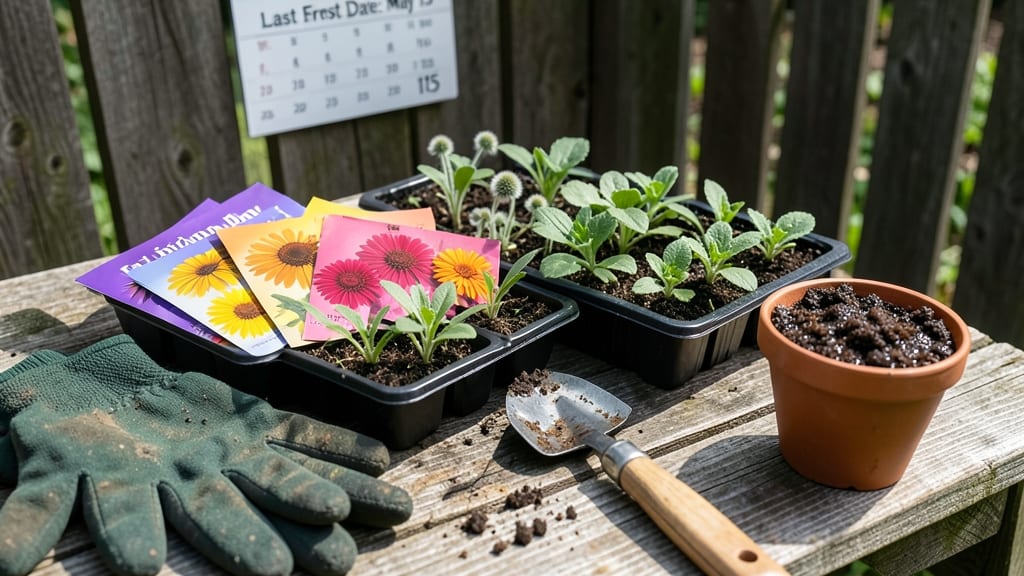
Minnesota flower seed planting dates by hardiness Zone (2024 Guide)
Minnesota’s USDA hardiness zones 3-5 create a unique challenge for gardeners: short growing seasons and late spring frosts that can devastate tender seedlings. The key to success? Planting at the right time—whether you’re sowing cool-season flowers like pansies or warm-season bloomers like zinnias.
Below, I’ve broken down the optimal planting windows for Minnesota’s most popular flowers, adjusted for your specific zone and microclimate.
For most of Minnesota, the last average frost date falls between May 10-25, while the first frost arrives as early as September 15 in northern zones. This means your growing season is roughly 120-150 frost-free days.
To maximize blooms, focus on planting after the last frost (for warm-season flowers) or 6-8 weeks before the last frost (for cool-season varieties started indoors).
Pro Tip: Urban areas like Minneapolis-St. Paul (Zone 4b) often experience earlier soil warming than rural zones due to the "heat island effect." Adjust your planting dates 1-2 weeks earlier if you're in the city. Conversely, northern Minnesota (Zone 3) may need to wait 2 weeks longer for safe planting.
Visual Guide: Use this summary table to pinpoint the best time to plant your favorite flowers in Minnesota, whether you’re direct-sowing or starting seeds indoors.
| Flower Type | Direct Sow Date (After Last Frost) | Indoor Start Date (6-8 Weeks Before Last Frost) | Notes for MN Gardeners |
|---|---|---|---|
| Cool-Season Annuals (Pansies, Snapdragons, Sweet Alyssum) | Late April–Early May (Zone 4-5) or Early May (Zone 3) | Early March–Mid-April | Tolerates light frosts; sow early for fall blooms. |
| Warm-Season Annuals (Marigolds, Zinnias, Petunias) | Mid-May–Early June (after last frost) | Late March–Early April | Wait until soil is 50°F+; use row covers for early starts. |
| Perennials (Coneflowers, Black-Eyed Susans, Lavender) | Late April–Early May (or fall for some) | Not typically started indoors | Fall planting (Sept) can establish roots before winter. |
| Bulbs (Tulips, Daffodils, Alliums) | Fall (September–October) | N/A | Plant bulbs 6-8 weeks before ground freezes. |
For Zone 3 gardeners (northern MN), push back planting dates by 1-2 weeks to account for later frosts. In Zone 5 (southern MN), you can safely plant 1-2 weeks earlier if your microclimate warms up faster.
Always check your local Almanac frost dates or use a soil thermometer to confirm soil temps are ideal before sowing.
One of my favorite tricks for extending the season is to sow a second round of warm-season flowers in mid-July. This gives seeds time to germinate and bloom before the first frost. Try cosmos, sunflowers, or marigolds—they’re fast-growing and perfect for late-summer color.
If you’re unsure about your exact last frost date, I recommend using the National Weather Service’s frost prediction tool or asking local gardeners at your county extension office. They often have hyper-local data that can save your seeds from a late spring freeze.
For perennials, consider planting in early fall (September) instead of spring. This gives roots time to establish before winter, leading to healthier, more vigorous plants the following year. Just
Remember: Soil temperature matters more than air temperature. Use a soil thermometer to confirm your soil is at least 50°F (10°C) for warm-season flowers. Cool-season flowers can tolerate 40-50°F (
How to extend your Minnesota flower season with seed starting indoors
Minnesota’s short growing season means frost-sensitive flowers like petunias and marigolds need a head start. Starting seeds indoors lets you beat the last frost date (typically mid-May) and enjoy blooms weeks earlier. I’ve found that beginning seeds 6-8 weeks before transplanting gives them the jump they need.
For best results, use seed trays with drainage holes and a grow light (or a sunny windowsill) to mimic spring conditions. I swear by a simple setup of LED grow bulbs on a timer for 14-16 hours/day—it’s a game-changer for seedlings that would otherwise stretch toward weak sunlight.
Fill trays with seed-starting mix, plant seeds at correct depth (check packet), and cover lightly with soil. Keep soil moist but not soggy.
Place under grow lights 2-3 inches above seedlings. Rotate trays daily for even growth. Watch for leggy seedlings—adjust light height if needed.
Move trays outside for 1-2 hours/day, gradually increasing time. This acclimates seedlings to MN’s cooler temps and wind before transplanting.
Wait until soil temps reach 50°F+ and nighttime temps stay above 50°F. Plant seedlings 12-24 inches apart (check variety guidelines). Water deeply after transplanting.
Timing your transplant is critical—aim for late April to early May in most of Minnesota. I’ve learned the hard way that transplanting too early can shock seedlings when frost returns. Use a soil thermometer to confirm readiness; 50°F soil is the magic number for most flowers.
Pro tip: Mark your calendar for Mother’s Day weekend—it’s a reliable benchmark for when soil is finally warm enough in most of USDA Zone 4-5. By then, your indoor-started flowers will be robust enough to handle Minnesota’s unpredictable spring weather.
Don’t forget to deadhead spent blooms once flowers start appearing! This encourages more blooms and extends your season until the first frost (usually mid-September). With this method, I’ve had zinnias and cosmos blooming straight through October—worth every extra week of effort!