
Plants
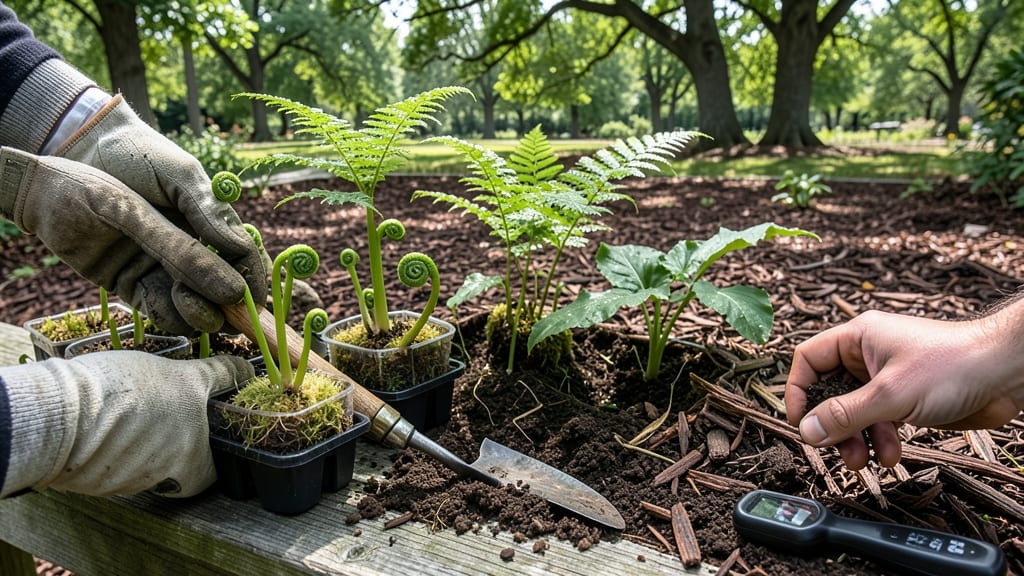
Timing your ferns planting in Michigan can mean the difference between lush, thriving 🌿 growth and struggling plants that never quite take off. With Michigan’s 5b-6b climate zones and unpredictable spring weather, knowing the exact window to plant is the key to success.
Most gardeners wait until after the last frost—typically mid-April—but rushing too early can leave your ferns vulnerable to cold snaps. The ideal timeframe stretches from April to May, when soil temperatures rise and moisture levels stabilize, creating perfect conditions for root establishment.
If you prefer fall planting, early September offers another chance to get your ferns in the ground before winter sets in. This strategy works especially well for hardier varieties like ostrich ferns or woodland ferns, which can handle cooler temperatures once established.
Whether you're a seasoned gardener or just starting out, mastering these planting windows will help you grow ferns that flourish year after year. Let me show you exactly how to time it right for Michigan’s unique growing conditions.
Optimal planting months for ferns in Michigan’s climate zones
Michigan’s USDA hardiness zones 5b-6b mean ferns thrive when planted at the right time—too early and frost will kill them; too late and they won’t establish before winter.
The best window for planting ferns in Michigan is mid-April to early May, after the last frost but before summer heat sets in. This timing aligns with soil warming to 50°F (10°C), ideal for root growth.
For fall planting, aim for early September in southern Michigan or late August in northern regions. Ferns planted in fall have 6-8 weeks to establish roots before winter dormancy. However, avoid late fall planting—young plants won’t survive Michigan’s first frost (mid-October).
Here’s how Michigan’s two distinct planting seasons break down: Spring offers longer daylight for root establishment, while fall benefits from cooler temps and natural moisture. Both methods work, but spring is foolproof for beginners.
| Season | Optimal Month | Soil Temp | Key Consideration |
|---|---|---|---|
| Spring | April–May | 50–60°F (10–15°C) | Avoid frost; mulch for moisture |
| Fall | Early Sept | 55–65°F (13–18°C) | 6+ weeks before frost; water deeply |
| Avoid | June–Aug | N/A | Extreme heat stresses young roots |
Northern Michigan (zone 5b) has a shorter growing season, so prioritize late April to early May planting. Southern Michigan (zone 6b) can extend planting to mid-May safely. Use your local Almanac frost dates as a guide—plant when nights stay above 40°F (4°C) consistently.
For container-grown ferns, you can plant 1-2 weeks earlier than in-ground varieties since pots warm faster. However, harden off container plants for 3–5 days before transplanting to prevent shock. This is especially critical for tender fern varieties like maidenhair ferns.
If you miss the spring window, don’t panic—fall planting still works if done correctly. The key is preparing the soil early (see next section) and choosing hardy fern species like Osmunda cinnamomea (cinnamon fern), which tolerates cooler temps better than others.
Mulch heavily in fall to insulate roots during winter.
Pro tip: Test your soil’s moisture before planting. Stick your finger 2 inches deep—if it feels dry, wait a week. Ferns hate dry soil but also waterlogged conditions. Aim for soil that’s moist like a wrung-out sponge. Michigan’s clay-heavy soils often need organic amendments to improve drainage.
Finally, avoid planting during heatwaves (common in late May–June). High temps cause transplant shock, and ferns struggle to recover. If you must plant in summer, do it on a cloudy day and keep the area shaded with burlap or shade cloth for the first 2 weeks.
Timing isn’t just about the calendar—it’s about reading your local microclimate. Observe nearby trees: when their buds swell and leaves unfurl, that’s your green light to plant ferns in Michigan. Nature’s calendar is often more accurate than a date on a page! 🌿
Optimal planting months for ferns in Michigan’s climate zones
Michigan’s USDA zones 5b-6b mean ferns thrive best when planted after the last frost date—typically mid-April in southern Michigan and late April to early May in northern regions. Early spring planting (March-April) is risky due to frost, but late spring (May) offers the safest window for most varieties. Fall planting in September is also ideal, giving roots time to establish before winter dormancy.
Ferns prefer consistent moisture and humus-rich soil, so aim to plant when soil temperatures reach 50°F (10°C)—a critical threshold for root development. Southern Michigan gardeners can start as early as April 15, while northern zones should wait until May 1 to avoid frost damage. Ostrich ferns and woodland ferns are especially sensitive to cold snaps.
Here’s a quick guide to planting windows by Michigan region:
| Region | Best Planting Months | Soil Temp Threshold | Frost Risk |
|---|---|---|---|
| Southern Michigan (Zones 6a-6b) | April 15–May 15 | 50°F (10°C) | Low after April 15 |
| Central Michigan (Zone 5b-6a) | May 1–May 15 | 55°F (13°C) | Moderate until May 10 |
| Northern Michigan (Zone 5b) | May 15–June 1 | 60°F (16°C) | High until May 20 |
| Fall Planting (All Regions) | September 1–15 | 60°F (16°C) | Low after September 10 |
For container-grown ferns, you can plant 1-2 weeks earlier than in-ground varieties, as pots warm faster. Maidenhair ferns, however, are delicate and should wait until soil is at least 60°F (16°C) to avoid root rot. Mulch heavily after planting to retain moisture and protect roots from temperature swings.
If you miss the spring window, fall planting is your next best option—just ensure ferns are planted 6-8 weeks before frost (typically by September 15). Woodland ferns like Dryopteris adapt well to fall planting, while tropical varieties (e.g., Nephrolepis) need winter protection in Michigan’s colder zones.
Pro tip: Use a soil thermometer to confirm readiness—50°F (10°C) for spring and 60°F (16°C) for fall are your magic numbers. Overwatering in cold soil can suffocate roots, so hold off until temperatures stabilize. 🌿