
Plants
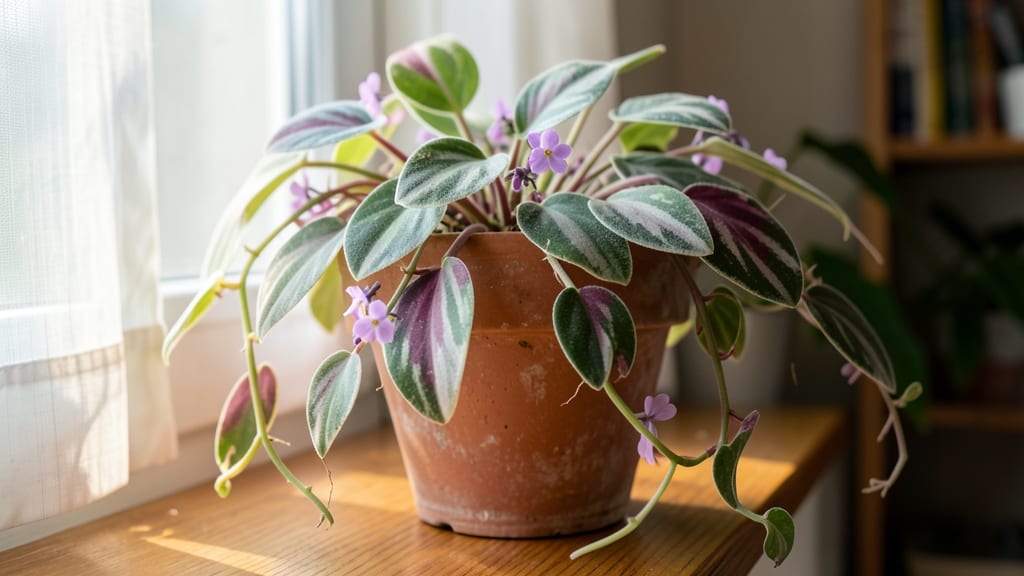
Wondering how much light does an inch plant need to stay lush and vibrant? This little 🌱 powerhouse thrives in bright indirect sunlight—think of it as the Goldilocks of houseplants: too little light and it stretches leggy, too much and it crisps at the edges.
If your inch plant looks sad or stops growing, light is likely the culprit. The good news? With the right setup, you can transform it from a struggling underdog to a showstopper in your space.
I’ll break down exactly where to place it—whether you’re working with a sunny south window or a dimmer corner.
You don’t need a greenhouse to nail this. A few simple tweaks—like rotating your plant or adjusting curtains—can make all the difference. Let’s dive into the secrets behind keeping your inch plant happy, healthy, and full of that signature trailing charm.
Ready to give your plant the perfect light conditions? The results will speak for themselves in just a few weeks. Trust me, your inch plant will thank you with bold, glossy leaves that everyone will envy.

Optimal light requirements for inch plant growth (bright indirect sunlight explained)
The inch plant (Tradescantia sillamontana) thrives in bright indirect sunlight, which mimics its natural understory habitat. This means it needs 4,000–10,000 lux of light—think of it as the glow of a cloudy day near a window.
Too little light causes etiolation (stretched, weak stems), while too much direct sun leads to leaf scorch or crispy edges. The key is finding that sweet spot where leaves stay vibrant purple-pink with deep green undersides.
Most homes provide this ideal light near east-facing windows, where morning sun is gentle and afternoon shade protects delicate foliage. If you notice your inch plant leaning toward the light, it’s begging for a rotating schedule—turn the pot quarter-turns weekly to encourage even growth.
This simple trick prevents lopsided plants and keeps those signature inch-long purple leaves popping up uniformly.
Seasonal adjustments are crucial. In summer months, when sunlight is intense, move your inch plant 3–4 feet back from south- or west-facing windows to avoid sunburn. During winter’s shorter days, supplement with a grow light for 12–14 hours daily if natural light drops below 5,000 lux.
A simple LED grow bulb on a timer works wonders for maintaining that compact, bushy growth you love.
To test your space’s light levels, use a light meter app (like "Light Meter" for smartphones) or the shadow test: Place a small object near your plant’s usual spot. If the shadow is sharp and dark, direct sun is present—move the plant further away.
If the shadow is soft and light, you’ve found the perfect bright indirect zone. Pro tip: Sheer curtains diffuse harsh light beautifully while still allowing plenty of brightness.
Outdoor inch plants do best in partial shade gardens, where they receive morning sun and afternoon shade. In USDA Zone 6a, this means positioning them under dappled trees or on east-facing patio edges.
Avoid full sun—even just 1–2 hours of direct afternoon sun can cause irreversible damage to those delicate purple leaves. Think of your inch plant as a shade-loving diva that rewards you with lush, trailing beauty when given the right stage lighting.
If your home lacks natural light, grow lights are a game-changer. A full-spectrum LED bulb (like the Samsung LM300) placed 6–12 inches above your plant for 12 hours daily mimics ideal conditions.
Position the light so it covers the plant’s top and sides evenly—this prevents the "light side, dark side" effect where one side grows toward the bulb while the other stays stunted.
Remember, consistency is key. Inch plants adapt slowly to light changes, so sudden moves from low-light offices to sunny porches can shock them. Introduce changes gradually over 7–10 days, moving the plant closer to light sources incrementally.
This patience pays off with thicker stems, brighter leaves, and that coveted bushy habit that makes inch plants so popular.
For indoor growers, rotate your plant every 5–7 days to ensure all sides get equal light exposure. This isn’t just about aesthetics—it’s about preventing weak, floppy growth and encouraging your plant to branch out naturally.
Think of it like giving your inch plant a mini vacation to explore new angles, which triggers more lateral growth and those adorable inch-long leaves you adore.
When in doubt, observe your inch plant’s leaf color. Healthy leaves should be deep purple-pink on top with chartreuse undersides. If they’re turning all green, it’s craving more light; if they’re yellowing or crispy, it’s getting too much.
Adjust accordingly, and you’ll have a thriving inch plant that’s
Optimal light requirements for inch plant growth (bright indirect sunlight explained)
Your inch plant (Tradescantia sillamontana) thrives in bright indirect sunlight, which mimics its natural understory habitat. Think of it as the perfect balance between morning sun and afternoon shade—never harsh direct rays.
This light spectrum (around 4,000–10,000 lux) keeps leaves vibrant and prevents the leggy, weak growth that screams "I need more light!"
Direct sunlight acts like a microwave for your plant—too intense, and you’ll see crispy brown edges or bleached patches. Meanwhile, too little light leads to etiolation (those sad, stretched stems reaching for the sky).
The goal? 4–6 hours of filtered light daily, like a gentle morning glow through sheer curtains.
| Light Condition | Ideal Light Hours | Signs of Correct Light |
|---|---|---|
| Bright Indirect | 4–6 hours | Deep green leaves, compact growth |
| Low Light | <2 hours | Leggy stems, pale leaves |
| Direct Sun | >6 hours | Brown spots, crispy edges |
Seasonal shifts matter! In summer, your inch plant might need afternoon shade (use a sheer curtain or rotate the pot). In winter, supplement with a grow light (12–14 hours/day) if natural light drops below 3,000 lux.
A simple light meter (or your phone’s lux app) helps track conditions—aim for that 4,000–10,000 lux sweet spot.
Pro tip: Rotate your plant quarter-turn weekly to ensure even light exposure. This prevents lopsided growth and lets all sides bask in that perfect bright indirect glow. Think of it like giving your plant a gentle sunbath—just enough to keep it happy, not fried.
For indoor setups, east-facing windows are ideal—morning sun without the harsh afternoon heat. West-facing windows? Move your plant 6–8 feet back or add a sheer curtain to diffuse the light. North-facing? You’ll likely need a grow light to compensate for lower natural light.
Watch for leaf color changes as your guide: rich green means happy; pale or yellow means it’s begging for more light; brown edges mean too much sun. Adjust gradually—your inch plant will thank you with lush, inch-long leaves (hence the name!) and bushy, thriving growth.