
How To
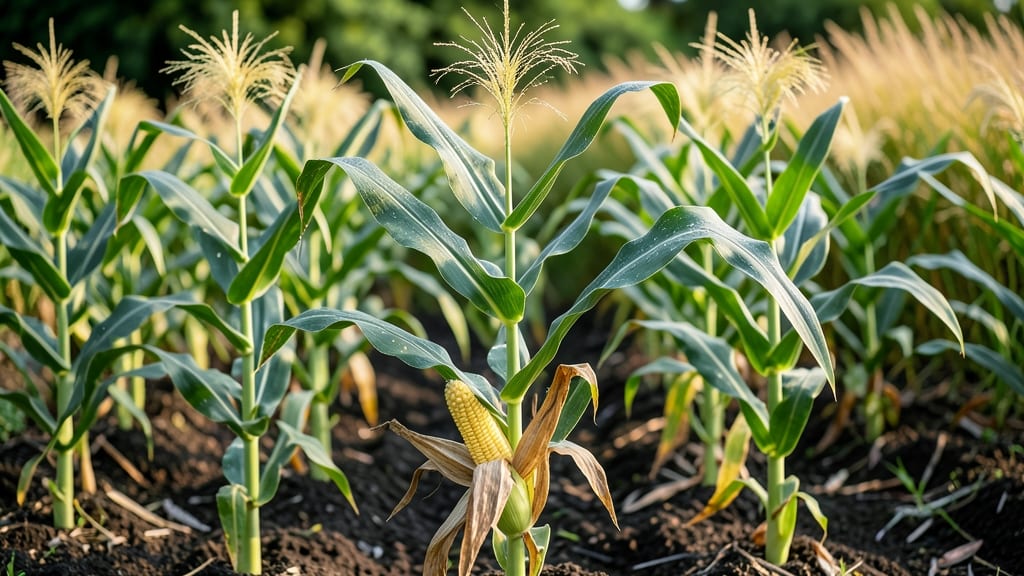
Ideal light requirements for corn plant growth: brightness levels explained
Corn plants (Zea mays) are sun lovers that demand 6-8+ hours of direct sunlight daily for peak growth. Without enough light, they’ll produce fewer ears or weak stalks, while too much intense midday sun can cause leaf scorch.
Think of them like a desert plant—bright and consistent light fuels their energy production through photosynthesis, which directly impacts kernel development.
The minimum light requirement for corn is 6 hours of full sun, but most gardeners see the best results with 8+ hours, especially in hotter climates.
This ensures strong stalks and plump ears. If you’re growing corn in containers, prioritize south-facing windows or use grow lights to supplement during shorter winter days.
Corn plants thrive under full sun exposure, but they can tolerate partial shade (4-6 hours of sun) in cooler climates. However, this often leads to smaller ears and slower growth.
For example, in USDA Zone 5, morning sun with afternoon shade might work, but in Zone 8+, afternoon shade is critical to prevent heat stress.
| Light Condition | Daily Sun Hours | Growth Impact | Best For |
|---|---|---|---|
| Full Sun | 6-8+ hours | Optimal stalk/ear development | Outdoor gardens, south-facing windows |
| Partial Shade | 4-6 hours | Smaller ears, slower growth | Cooler climates, container growing |
| Low Light | <2 hours | Leggy stalks, no ears | Avoid—use grow lights |
In early spring, when days are shorter, corn plants may need supplemental grow lights to meet their light needs. Use LED grow lights (12-16 hours/day) to mimic longer daylight hours. For outdoor planting, wait until soil temperatures reach 60°F (15°C)—cold soil slows germination, even with perfect light.
Corn plants also benefit from morning sun and afternoon shade in hot climates like Zone 9-10. This prevents heat stress while still providing enough light for photosynthesis. For example, in Arizona, planting corn near a west-facing fence (to block afternoon sun) can improve survival rates during summer.
If you’re growing corn in containers, choose large pots (12+ inches deep) to accommodate deep roots. Place them in the sunniest spot on your patio or balcony, rotating pots weekly to ensure even light exposure.
Without enough light, container-grown corn may produce only 1-2 ears per stalk instead of the typical 2-4.
Seasonal adjustments matter too. In summer months, corn thrives with full sun, but in late summer/early fall, shorter days reduce light exposure. If planting late-season varieties, use reflective surfaces (like white walls or mirrors) to bounce extra light onto plants.
One common misconception is that corn can grow in partial shade like leafy greens. While it can survive with less light, the trade-off is poor ear development.
For example, sweet corn varieties like ‘Silver Queen’ need full sun to develop their signature sweetness—partial shade leads to starchy, less flavorful kernels.
To maximize light for corn, avoid planting near tall trees or structures that cast deep shade. Even a 3-foot-tall shade from a tree can reduce sunlight by 30-50%, stunting growth. Instead, choose open areas where corn can access unobstructed sunlight from sunrise to mid-afternoon.
Ideal light requirements for corn plant growth: brightness levels explained
Corn plants (Zea mays) are sun worshippers—they demand 6 to 8+ hours of direct sunlight daily to thrive. Without enough light, your plants will struggle to produce starchy kernels or develop tall, weak stalks.
The key is balancing full sun exposure with protection from intense afternoon rays that can scorch tender leaves.
In nature, corn grows in open fields where sunlight reaches unobstructed. Mimic this by placing your garden corn in the sunniest spot possible, whether in raised beds, containers, or directly in the soil.
For container-grown corn, ensure pots are large enough (at least 12 inches deep) to support strong root systems that seek out sunlight.
| Light Requirement | Specification | Seasonal Adjustment |
|---|---|---|
| Daily Sunlight | 6–8+ hours of direct sunlight | Spring/Summer: Full sun Fall: 5–6 hours (extend with grow lights) |
| Indoor Light | South-facing window or grow lights | Rotate plants weekly for even growth |
| Outdoor Shade | Partial shade only (e.g., dappled light) | Avoid deep shade; reduces ear development |
| Grow Lights | LED full-spectrum bulbs, 12–16 hours/day | Keep lights 6–12 inches above plants |
Corn plants use sunlight to power photosynthesis, which converts light into energy for kernel development. Without enough light, plants may produce small ears or poor-quality corn.
In indoor settings, supplement natural light with grow lights (LED or fluorescent) positioned 6–12 inches above the plants for 12–16 hours daily to mimic summer sunlight.
During early planting (spring), young corn seedlings need gentle morning sun to avoid stress. As they mature, gradually increase exposure to full sun by late spring. In containers, ensure drainage holes prevent root rot, which can weaken plants and reduce their ability to absorb sunlight efficiently.
Watch for leaf color changes: Dark green leaves indicate optimal light, while pale or yellowing leaves signal light deficiency. Conversely, brown or crispy edges mean too much direct sun.
Adjust placement by moving plants to a slightly shaded area during peak afternoon heat (1–4 PM) if needed.
For container growers, choose light-colored pots to reflect excess heat and reduce stress. Group containers together to create a micro-climate that retains warmth and maximizes sunlight absorption. Mulch around the base with straw or grass clippings to regulate soil temperature and support healthy root growth.