
Plants
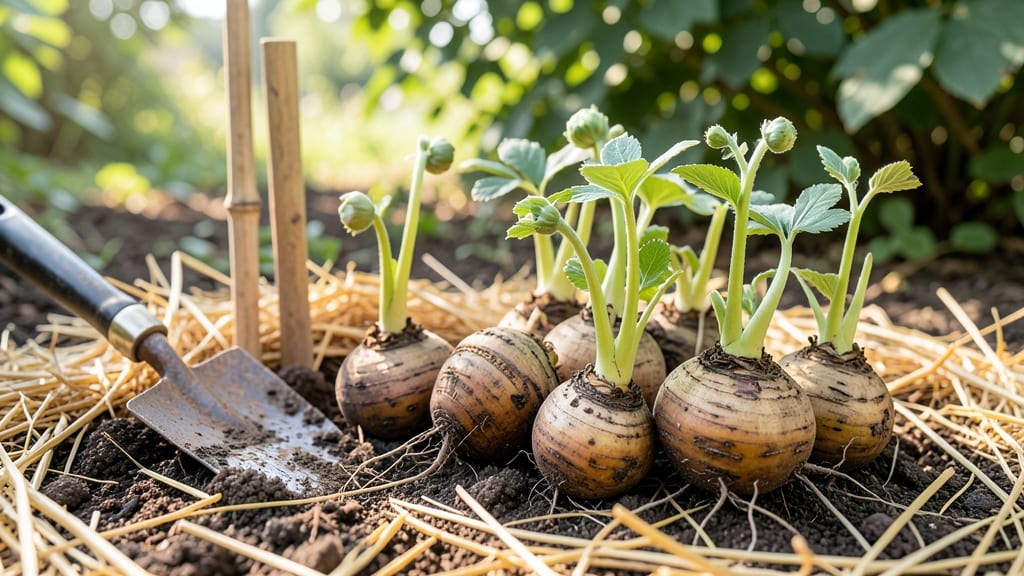
If you're eager to grow stunning dahlias 🌼 and want to know when to plant dahlias in Tennessee, timing is everything. Planting too soon risks those delicate tubers freezing, while waiting too long might mean missing out on vibrant summer blooms that last until October.
Tennessee's USDA zones 6a-7b offer a short but sweet window for dahlias—typically between mid-April and mid-May, once the last frost has passed. But with late frosts possible in some areas, knowing exactly when to plant can mean the difference between a thriving garden and a failed experiment.
I'll break down the ideal planting dates for your specific zone, share expert tips to extend your season safely, and even recommend the best varieties that thrive in Tennessee's heat and humidity. Let's make sure your dahlias get the perfect start.
Whether you're a seasoned gardener or new to growing dahlias, these insights will help you avoid common mistakes and maximize your blooms. Ready to transform your garden with these showstopping flowers? Let's dive in.
Tennessee dahlia planting dates by hardiness Zone (6a-7b)
Tennessee’s USDA zones 6a-7b offer a 180-day frost-free season, perfect for dahlias—but timing matters. In Zone 6a (Memphis), average last frost dates fall around April 15, while Zone 7b (Knoxville) sees frost-free conditions by March 20.
Planting too early risks frost damage, while late planting cuts bloom time.
Soil temperature is just as critical as air temperature. Dahlias thrive when soil reaches 60°F (15°C), which typically aligns with late April in Zone 6a and early April in Zone 7b. Use a soil thermometer to confirm readiness—cold soil stunts growth and delays blooms.
For Zone 6a gardeners (Memphis, Chattanooga), aim for April 15–May 1 to avoid late frosts. In Zone 7a (Nashville, Murfreesboro), you can plant as early as March 25–April 10, but monitor forecasts for unpredictable late frosts.
Zone 7b’s earlier window lets you start March 1–March 15.
| Zone | Last Frost Date | Ideal Planting Window | Soil Temp Threshold | Bloom Start |
|---|---|---|---|---|
| 6a (Memphis) | April 15 | April 15–May 1 | 60°F (15°C) | Late June |
| 7a (Nashville) | March 25–April 10 | March 25–April 15 | 60°F (15°C) | Mid-June |
| 7b (Knoxville) | March 1–March 15 | March 1–March 20 | 60°F (15°C) | Early June |
*Dates based on 30-year averages; check Almanac’s Tennessee frost maps for 2024 updates.
Local microclimates can shift these dates by 1–2 weeks. Valley areas like East Tennessee may experience frost 10–14 days later than surrounding hills. Use Tennessee State University Extension’s frost alerts for real-time adjustments.
If you’re starting tubers indoors, begin 8–10 weeks before your zone’s last frost date. For Zone 6a, that’s early February; Zone 7b gardeners can start late January. Place tubers in potting mix at 60°F (15°C) for sprouting—no need for lights yet.
Direct-sowing tubers outdoors too early? They’ll rot in cold soil. Instead, pre-sprout tubers in paper towels for 2–3 weeks before planting. This head start ensures faster establishment and earlier blooms once temperatures stabilize.
Pro tip: Mark your last frost date on a garden calendar and count backward. Dahlias need 90–120 days to bloom, so late May plantings may only yield small flowers by frost. Prioritize early-to-mid April for full-season enjoyment.
For extended-season blooms, pair early plantings with heat-tolerant varieties like ‘Café au Lait’ (Zone 7b favorite) or ‘Karma Choc’ (early bloomer). These varieties push bloom times into early October before frost hits.
🌼
How to extend your dahlia season in Tennessee (cold protection tips)
Tennessee’s unpredictable spring frosts can delay planting, but with the right strategies, you can safely plant dahlias earlier or even push blooms into late fall. Cold protection is key—especially in Zone 6a areas like Memphis, where late frosts linger until mid-April.
Start by pre-sprouting tubers indoors 6-8 weeks before your last frost date to give them a head start.
For gardeners in Zone 7a (Nashville) or 7b (Knoxville), where summers are hot and humid, focus on heat-tolerant varieties and shade cloth to protect blooms from afternoon sun.
A cold frame or row cover can extend your planting window by 2-3 weeks, letting you plant tubers as early as mid-March in sheltered spots.
To protect young plants, use floating row covers or lightweight fabric during daytime warmth and remove at night to prevent overheating. For late-season blooms, apply a thick mulch layer (3-4 inches) in October to insulate roots and delay frost damage.
In Zone 7b, this can push blooms into early November!
For early planting, try container growing—pots can be moved indoors during cold snaps. Place tubers in well-draining containers with compost-rich soil and keep them near a south-facing window until outdoor temps stabilize. This method works especially well for dwarf varieties like ‘Mignon’ or ‘Tom Thumb.’
Don’t forget to harden off indoor-sprouted tubers before transplanting. Acclimate them to outdoor conditions over 7-10 days by placing them in a shady, sheltered spot for a few hours daily, gradually increasing exposure. This reduces transplant shock and helps dahlias establish faster.
For late-season extensions, cut back foliage in early fall to redirect energy to root development. Once frost hits, dig up tubers, trim stems to 2 inches, and store them in dry peat moss at 40-50°F until next spring.
With these tips, you’ll enjoy longer bloom seasons and healthier dahlias—no frost left behind! 🌼