
Plants
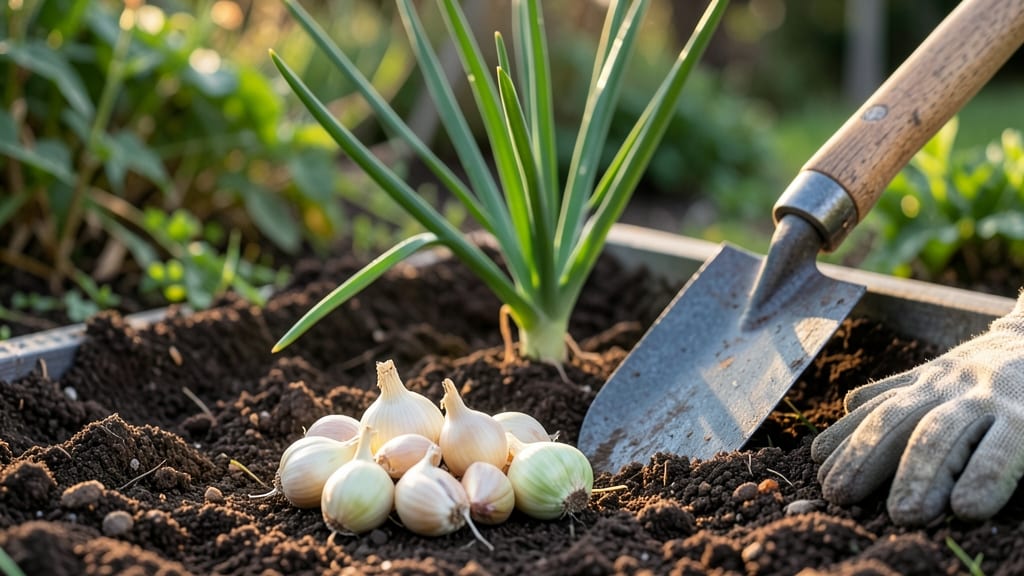
Tennessee garlic planting deadlines by hardiness Zone (USDA 6b-7b)
Tennessee’s diverse climate zones mean your garlic planting deadline depends on whether you’re in USDA Zone 6b (northwest) or Zone 7b (center/south). Miss the window, and your cloves risk frost damage or poor bulb development. Let’s break down the exact dates—and why they matter.
For Zone 6b (e.g., Nashville, Chattanooga), aim to plant between October 1-15. The soil should be 40-50°F—cold enough to trigger dormancy but not frozen. In Zone 7b (Memphis, Knoxville), you’ve got until November 1-15, thanks to later first frosts. Use these deadlines as your starting point.
Here’s the golden rule: Plant 4-6 weeks before your area’s first hard frost. In Tennessee, this typically lands in mid-November, but check your local Almanac frost forecast for precision. Pro tip: Use a soil thermometer—garlic cloves won’t sprout in soil warmer than 50°F.
Missed the window? Don’t panic. Zone 7b gardeners can still plant through early December with row covers or a cold frame. But if you’re in Zone 6b, late plantings rarely survive our harsh winters. Timing truly is everything for bulb size and flavor.
| Zone | Ideal Planting Window | Soil Temp Threshold | Frost Risk | Moon Phase Tip |
|---|---|---|---|---|
| 6b (Nashville) | Oct 1–15 | 40–50°F | High after Nov 15 | Plant near full moon for stronger roots |
| 7b (Memphis) | Nov 1–15 | 45–50°F | Moderate after Dec 1 | Avoid new moon—slower sprouting |
| All Zones | Latest: Dec 10 | Above freezing | Very high | Use row covers for protection |
Why moon phases matter: Planting near the full moon (when roots grow downward) can boost bulb development. Avoid the new moon—garlic cloves may sprout too slowly in Tennessee’s cool fall soil.
For Zone 6b, aim for the October full moon (usually early October). Zone 7b? The November full moon is your sweet spot.
Pro move: Prep your soil 2 weeks before planting. Garlic thrives in loamy, well-draining soil with a pH of 6.0–7.0. Work in 2–3 inches of compost and avoid fresh manure—it can burn cloves.
Test your soil’s nitrogen levels; too much early on leads to leafy growth at the expense of bulbs.
One common mistake? Planting too shallow. Bury cloves 2 inches deep, with the pointed end up. Deeper plantings (3+ inches) risk rot, while shallower ones may not anchor well in Tennessee’s clay-heavy soils. Space cloves 4–6 inches apart in rows 12 inches apart for airflow.
After planting, mulch heavily with straw or leaves (4–6 inches). This insulates cloves from freeze-thaw cycles and keeps soil temps stable. In Zone 6b, mulch can mean the difference between survival and loss during winter. Remove mulch in early spring once shoots emerge.
Remember: Garlic needs 6–8 months of cold to form bulbs. Plant too late, and you’ll get small, weak cloves—or none at all. For Zone 7b, this means planting by November 15 ensures bulbs mature by June–July.
In Zone 6b, aim for October 15 to align with the 180-day growing window.
🌱
5 Critical signs your Tennessee garlic planting timing is perfect (or wrong)
Timing garlic correctly in Tennessee isn’t just about dates—it’s about reading your garden’s cues. The soil temperature must drop to 40-50°F for roots to establish before winter dormancy. Use a soil thermometer to verify; planting too early (warm soil) causes rot, while waiting too long risks frost damage.
Next, watch your garlic cloves sprout 1-2 inches of green within 2 weeks of planting. Slow growth? You likely planted too late. Fast, lush sprouts? Perfect timing! This leaf growth rate is your first real-time feedback loop.
Check your frost forecast 3-4 weeks post-planting. Tennessee’s USDA Zone 6b-7b typically sees first hard frosts by November 15-30. If your garlic shows frost damage signs (brown, mushy leaves) before bulbs mature, you missed the window.
🌱Pro Tip: Use the National Weather Service’s frost maps (available via their website) to pinpoint your local first frost date. Plant 4-6 weeks before this date for zero-frost success.
Missed the Window? Don’t Panic—But Act Fast
If your soil temps are below 32°F and you’ve planted after November 15, cover beds with straw mulch (4+ inches) to insulate roots. Zone 7b gardeners can still salvage late plantings with row covers until December.
⚠️ Warning: Garlic planted after December 1 in most of TN will bolt (flower) prematurely, sacrificing bulb size for seed production.
Finally, moon phase matters for Tennessee gardeners. Planting during a waning moon (after the full moon) encourages bulb development over leaf growth. Check lunar calendars for your region—this subtle tweak can boost yield by 15-20%.
Use this self-