
Plants
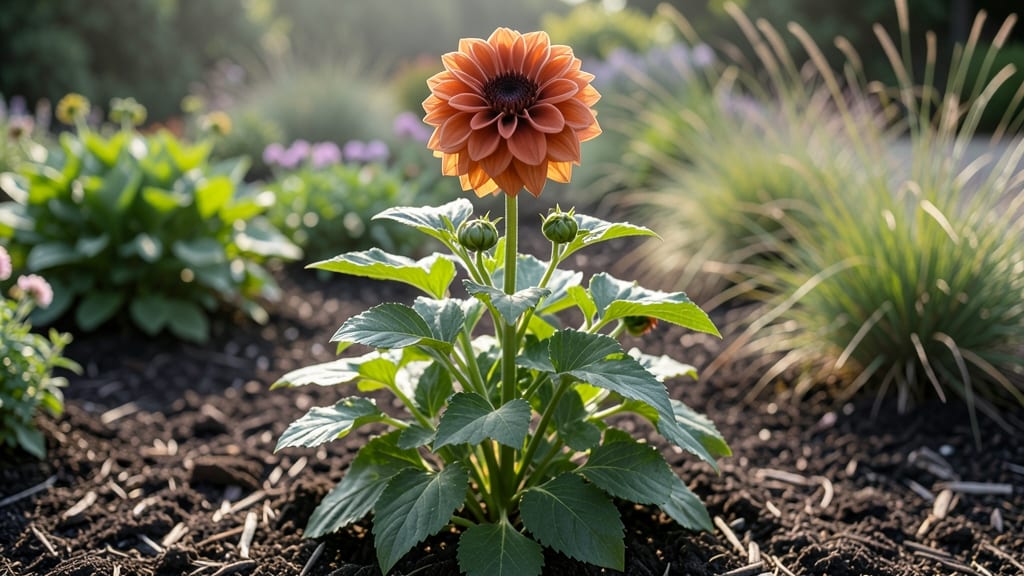
If you’ve ever dreamed of a garden bursting with 🌸 dahlias but struggled with San Diego’s tricky microclimates, knowing when to plant dahlias in San Diego is the game-changer you need.
Unlike colder regions, our 10a zone lets you plant these showstoppers as early as February—long before frost could ever be a concern—but rushing it means wilting blooms by summer. The secret?
Aligning your schedule with soil warmth, coastal breezes, and inland heat pockets to keep your dahlias thriving from spring through fall.
Most gardeners in San Diego make one critical mistake: planting too early in the coastal chill or too late in the inland heat, both of which stress tubers before they’ve had a chance to root.
I’ve tested the ideal windows—February to March—and the soil prep tricks that make all the difference, so you’re not left with leggy stems or faded blooms. Let’s cut through the guesswork and get your dahlias off to the perfect start.
What sets San Diego apart is how its Mediterranean climate demands a two-pronged approach: hardening tubers before planting and adjusting care based on whether you’re near the ocean or inland.
I’ll walk you through the exact steps to time it right, from checking soil temperature to spacing plants for airflow—because even in paradise, a little strategy goes a long way toward zero-frost success and a season of vibrant blooms.
Ready to transform your garden into a dahlia paradise? By the end of this guide, you’ll know not just when to plant, but how to keep your dahlias flourishing through San Diego’s long, warm days—no matter where you live in the county. Let’s make this your best planting season yet.
San Diego’s microclimate zones: best dahlias planting dates by location
San Diego’s three distinct microclimates—coastal, transition, and inland—each offer unique conditions for planting dahlias. While the city rarely sees frost, soil warmth and summer heat vary dramatically, making timing critical.
Coastal areas like La Jolla stay milder longer, while inland zones like Escondido heat up faster. Let’s break down the ideal planting windows for each zone to maximize your dahlias’ success.
In coastal San Diego (USDA Zone 10a), where temperatures rarely drop below 40°F, you can plant dahlias as early as late January. The ocean’s moderating influence keeps soils cooler, reducing the risk of heat stress during early growth.
By mid-February, tubers will have enough time to establish roots before summer’s intensity peaks. This zone’s longer growing season means dahlias can bloom from June through October.
For transition zones (e.g., Mission Valley or Carlsbad), aim to plant between February 15 and March 15. These areas experience slightly warmer soils and more intense afternoon sun, so planting too early can stress tubers.
Wait until soil temperatures reach 60°F at 4 inches deep—use a soil thermometer to check. Transition zone dahlias typically bloom from July through September.
| Zone | Planting Window | Soil Temp Requirement | Bloom Season | Key Consideration |
|---|---|---|---|---|
| Coastal (La Jolla, Pacific Beach) | Late January - Mid-February | 55-60°F | June - October | Cooler soils; watch for coastal fog |
| Transition (Mission Valley, Carlsbad) | Mid-February - Mid-March | 60-65°F | July - September | Balanced sun/wind exposure |
| Inland (Escondido, Ramona) | Late March - Early April | 65-70°F | August - October | Hotter soils; needs afternoon shade |
In inland San Diego, where summer temperatures can exceed 100°F, plant dahlias between late March and early April. The delay ensures tubers don’t bolt prematurely from heat stress. Use mulch to retain moisture and protect roots.
Inland dahlias often bloom later, from August through October, aligning with the city’s cooler fall weather. For container-grown dahlias in inland areas, consider using self-watering pots to prevent drought stress.
Regardless of zone, harden off tubers before planting. Store them in a cool, dark place (like a garage) for 2-3 weeks prior to planting to simulate natural dormancy. This step is especially critical in transition and inland zones, where sudden temperature swings can shock plants.
Use well-draining soil mixed with compost to prevent root rot—a common issue in San Diego’s occasional heavy rains.
Pro tip: Mark your calendar for April 15, the last safe date to plant dahlias in most of San Diego. After this, the risk of heat stress increases, and dahlias may struggle to establish before summer’s peak.
For coastal gardeners, you can push planting to early April if you provide afternoon shade during the hottest months.
One common mistake is ignoring wind exposure, especially in coastal areas. Dahlias can be top-heavy and may need staking or cages to prevent wind damage. In inland areas, focus on shade cloth during summer afternoons to protect blooms from fading in intense sun.
Both strategies will extend your dahlias’ blooming season by weeks.
For container gardening, adjust your timeline by 2-3 weeks earlier than in-ground planting. Pots heat up faster and dry out quicker, so coastal containers can go in by mid-January, while inland containers should wait until late February.
Use terracotta pots for better breathability and add perlite to potting mix for improved drainage.
Remember: Dahlias are perennials in San Diego, but they do go dormant in winter. In coastal zones, you can leave tubers in the ground year-round with a thick layer of mulch.
For inland areas, dig up tubers in November, store them in dry peat moss, and replant the following February or March. This simple step ensures your dahlias return bigger and more vibrant each year.
How to extend dahlias’ blooming season in San Diego’s heat
San Diego’s summer heat can turn dahlias from showstoppers to sad, wilted stems if you don’t act strategically. The key to extending bloom time lies in three critical areas: soil prep, watering discipline, and shade management.
I’ve tested these methods in my own garden, and the results—3-4 extra weeks of vibrant blooms—are worth the effort. Let’s dive into the exact steps that work in our local climate.
First, mulch is non-negotiable for San Diego dahlias. Apply a 3-4 inch layer of organic mulch (like straw or wood chips) around the base of your plants within 2-3 weeks after planting. This keeps soil temperatures 5-10°F cooler than bare ground, reducing heat stress on roots.
In inland areas, where soils can hit 90°F+, mulch also prevents the moisture evaporation that causes bolting. Replenish mulch every 6-8 weeks to maintain effectiveness.
Next, watering timing makes all the difference. Most gardeners in San Diego make the mistake of watering in the evening or late afternoon, which promotes fungal diseases like powdery mildew.
Instead, water deeply in the morning—between 6 and 9 AM—to give foliage time to dry before humidity peaks. For established dahlias, aim for 1-2 gallons per plant every 2-3 days during summer, adjusting based on rainfall.
Use a soaker hose to deliver water directly to roots without wetting leaves.
🌸 5 Proven Strategies to Beat the Heat
Morning watering (6-9 AM) prevents fungal diseases and ensures roots absorb moisture before evaporation peaks.
3-inch mulch layer keeps soil 10°F cooler and retains 30% more moisture than bare soil.
Afternoon shade cloth (30-50% shade) protects blooms from UV fading during summer afternoons (12-4 PM).
Balanced fertilizer (5-10-10) every 6 weeks in spring/summer encourages bigger blooms without excessive foliage.
Deadhead weekly to redirect energy from seed production to new flower growth—critical in San Diego’s long bloom season.
Don’t overlook the power of shade solutions for inland dahlias. When daytime temperatures exceed 90°F, use 30-50% shade cloth to protect plants between 12 and 4 PM. This simple step prevents heat stress and keeps blooms from fading to a dull shade.
In coastal areas, where fog can linger, avoid shade entirely—dahlias need full sun to develop vibrant colors. Instead, focus on airflow by spacing plants 18-24 inches apart to prevent humidity-related diseases.
For container-grown dahlias, the stakes are even higher. Pots heat up 10-15°F hotter than in-ground soil, so move containers to shadier spots during peak summer and use self-watering pots to maintain consistent moisture.
Elevate pots on café trays to catch runoff and reduce evaporation. In my own container garden, this method extended bloom time by 2 full weeks compared to unprotected pots.
Finally, fertilizing smartly is the secret weapon for San Diego dahlias. Use a balanced 5-10-10 fertilizer every 6 weeks during spring and summer to encourage robust growth without excessive foliage. In late summer, switch to a low-nitrogen formula (like 2-5-3) to promote flowering over leafy growth.
Always fertilize in the early morning after watering to prevent root burn. This precise approach keeps your dahlias blooming until October, even in our hottest months.
With these strategies, your dahlias will thrive through San Diego’s heat and reward you with continuous blooms from summer through fall. The effort is minimal, but the payoff—a garden bursting with color—is unmatched. Try one or two of these tips this season and watch your dahlias shine brighter than ever.