
Planting
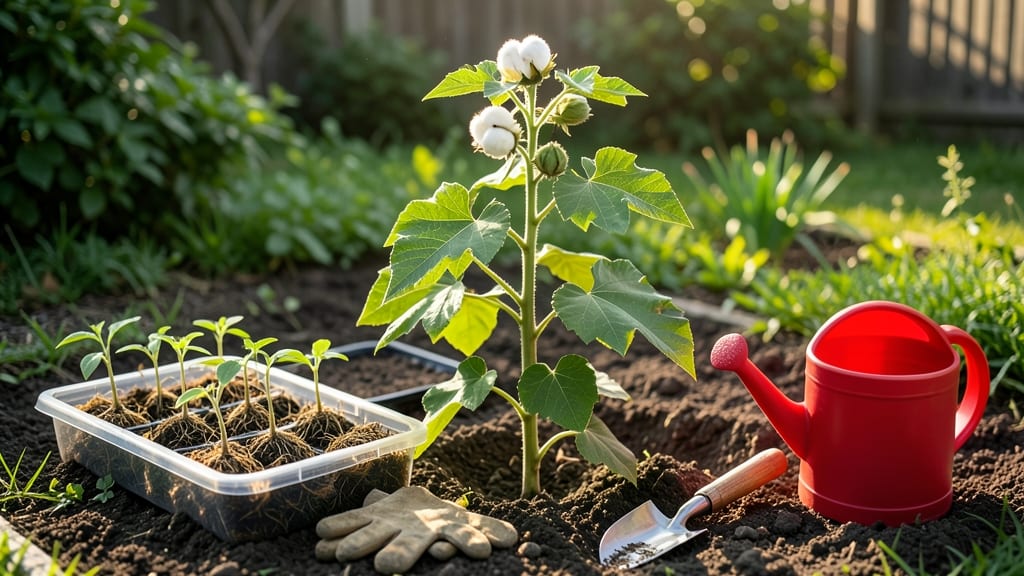
Timing your cotton planting in Texas isn't just about avoiding frost—it's about maximizing those long, heat-soaked growing seasons where 🧵 thrives.
Whether you're in North Texas counting down to March 15 or South Texas starting as early as February, getting the window right means the difference between fluffy bolls and stunted plants.
I've seen firsthand how a few weeks' miscalculation can turn a promising crop into a lesson in patience. But here's the good news: Texas' frost-free zones 8a-10b give you flexibility if you know the secrets—like when soil warms to 60°F or how to time planting to outrun boll weevils.
Let me walk you through the exact windows that work for your region.
What you're about to discover isn't generic advice—it's Texas-specific timing that accounts for everything from North Texas' unpredictable late frosts to the Gulf Coast's early heat spikes. We'll cover the ideal March-May windows, soil prep tricks, and even how to adjust for container gardening in urban backyards.
Ready to plant with confidence? By the end, you'll know exactly when to drop those seeds for cotton that grows tall, strong, and ready for harvest by August. Let's get started.
Texas cotton planting dates by frost-free Zone (with heat tolerance guide)
Texas stretches from USDA Zone 7a in the Panhandle to Zone 10b along the Gulf Coast, creating wildly different planting windows for cotton. In North Texas (Zones 7-8), wait until mid-March after the last frost—planting earlier risks 32°F nighttime temps that can kill seedlings.
Meanwhile, South Texas (Zones 9-10) farmers can start as early as late January, since frost is rare after January 31 in most areas.
Cotton thrives when soil temperatures hit 60°F+—use a soil thermometer to confirm readiness. In Central Texas (Zones 8-9), aim for late February to early March planting. The key? Balance heat tolerance with pest cycles—boll weevils emerge earlier in warmer zones, so timing matters.
Here’s how to match your USDA zone to the perfect planting window:
| Zone | Last Frost Date | Ideal Planting Window | Soil Temp Threshold | Heat Risk |
|---|---|---|---|---|
| 7a-8a (North Texas) | March 15 | Mid-March to early April | 60°F+ (use black plastic mulch to warm soil) | Moderate (late-season heat stress) |
| 8b-9a (Central Texas) | February 28 | Late February to mid-April | 60°F+ (soil warms faster in clay soils) | High (100°F+ common in June) |
| 9b-10a (South Texas) | January 31 | Late January to early April | 55°F+ (warmer year-round) | Very High (prolonged drought risk) |
| 10b (Gulf Coast) | None (tropical climate) | December to March (avoid summer heat) | 50°F+ (humidity extends growing season) | Extreme (hurricane/flood risk) |
Pro tip: In North Texas, cover seedlings with row covers if nighttime temps dip below 50°F after planting. For South Texas, prioritize drought-resistant hybrids like ‘FM 986’ to survive summer heat waves.
Remember, cotton needs 120–180 days to mature—calculate your first frost date backward to avoid late-season losses. For example, if frost hits November 30 in North Texas, plant by late July at the latest for a full harvest.
Use early-maturing varieties (e.g., ‘Stoneville 213’) in cooler zones to extend your window. In Zone 10b, you can even plant two crops: one in January and another in July for a fall harvest.
Always check your local AgriLife Extension office for microclimate adjustments. For instance, West Texas may need 2 weeks later than East Texas due to drier soils and higher winds.
Start seeds indoors 4–6 weeks before your target outdoor date if using transplants. Harden off seedlings by placing them outside for 2–3 hours daily the week before transplanting.
🌱
5 Critical factors that determine your cotton planting timeline (beyond frost dates)
Texas cotton thrives when planted at the perfect intersection of soil warmth, pest cycles, and rainfall patterns. While frost dates are your starting point, these five factors often decide whether your crop succeeds or struggles. Let’s break down what truly moves the needle for Texas farmers.
First, soil temperature is non-negotiable—cotton seeds need at least 60°F soil to germinate consistently. In North Texas, this typically means waiting until mid-April, while South Texas growers can start as early as late February.
Use a soil thermometer to confirm readiness; planting too soon in cool soil leads to patchy germination and weak seedlings.
Next, pest cycles like boll weevils peak during late spring and summer, so timing your planting to avoid their early emergence can save your crop. Early-season varieties planted in March often escape the worst infestations, while late May plantings risk higher damage.
Rotate planting dates yearly to disrupt pest life cycles and reduce chemical reliance.
Rainfall patterns directly impact cotton’s flowering and boll formation phases (May-July). Drought during these months causes flower drop and reduced yields. In West Texas, where rainfall is scarce, drip irrigation becomes essential. Central Texas growers should monitor long-term forecasts and adjust planting dates if dry conditions are predicted.
Choosing the right cotton hybrid based on your growing season length is another game-changer. Early-maturing varieties (like STV 474) take 120 days to harvest, ideal for North Texas’s shorter season, while late-season types (e.g., FM 989) need 180 days and suit South Texas’s extended heat.
Always check the hybrid’s maturity rating against your last frost date to avoid premature harvests.
Finally, heat stress can devastate cotton planted too late. Temperatures above 95°F cause flower abortion, and planting after June 1 in North Texas often leads to poor yields.
South Texas growers have more flexibility due to longer heat seasons, but even they should avoid late plantings if summer storms are forecasted, as saturated soil can delay germination.
Balancing these factors ensures your cotton crop starts strong, avoids pests, and matures before Texas’s relentless summer heat takes its toll. Start with soil temperature, then layer in pest cycles and hybrid choices—your future harvest depends on it. 🌱