
Plants
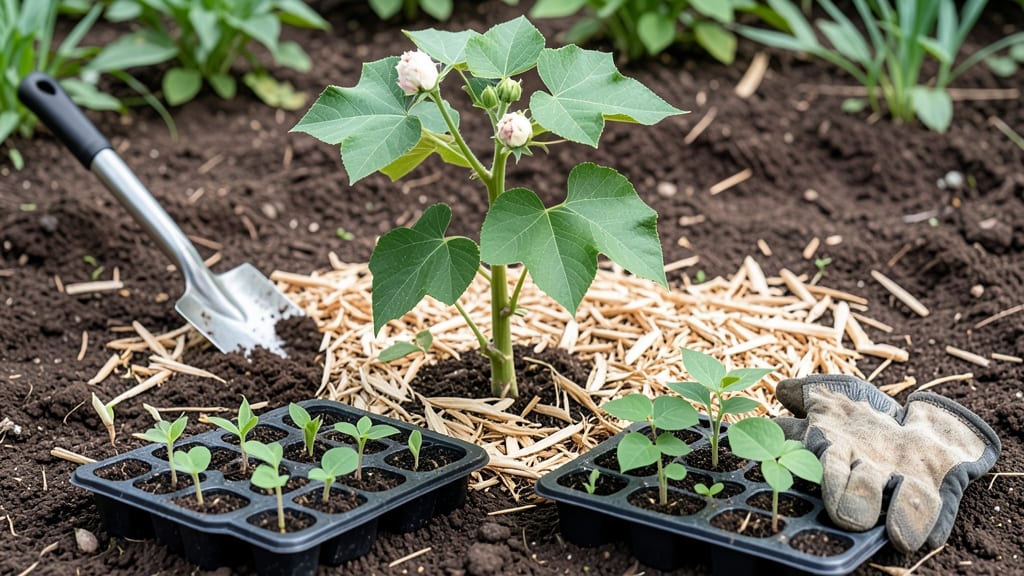
If you're wondering when to plant cotton in NC, timing is everything—especially in a state where frost can linger in the Mountains while the Coastal Plain bakes by May.
Cotton 🌿 thrives in North Carolina’s 7a-8b zones, but planting too early risks frost damage, while waiting too long cuts your harvest short.
Most gardeners in NC aim for mid-April to early June, once soil temperatures hit 60°F+ and the last frost has passed. This window gives cotton’s long growing season (150+ days) the best shot to mature before fall frosts arrive in late September or October.
But here’s the catch: your county’s microclimate matters. Piedmont regions might start planting in late April, while the Mountains wait until early May. I’ll break down the exact frost-free dates by region so you can align your planting with cotton’s needs—not just the calendar.
Ready to get started? Let’s dive into the county-specific planting timeline that’ll help you avoid common mistakes and maximize your cotton yield in NC’s variable climate.
North Carolina cotton planting timeline by county: frost-free dates and ideal windows
North Carolina’s diverse climate—from the Coastal Plain’s humidity to the Mountains’ cooler elevations—means cotton planting dates vary dramatically. The last frost date is your starting point, but soil temperature (60°F+) and regional microclimates demand precision.
For example, Asheville’s high elevation delays planting by weeks compared to Wilmington’s early spring warmth.
Cotton (Gossypium hirsutum) thrives in USDA Zones 7a-8b, but even within NC, a 100-mile difference can shift planting windows by 3-4 weeks. Coastal counties like New Hanover often see frost-free conditions by mid-March, while the Blue Ridge Mountains may wait until late April.
Here’s a breakdown of optimal planting windows by region, based on historical frost data and soil warming trends. Use these as guidelines—always verify with your local Cooperative Extension Service for county-specific updates.
For home gardeners, the Coastal Plain offers the earliest planting opportunities, while Mountain counties may need to wait until mid-May to avoid frost damage.
If you’re in a transition zone (e.g., Piedmont), err on the side of planting slightly later—cotton’s 120-150 day growth cycle demands a full-season finish.
Always check local frost maps (like the NC State Climate Office) for real-time updates, as La Niña or El Niño years can shift frost dates by 2+ weeks. For example, 2023’s delayed spring in the Mountains pushed planting back to June in some areas.
If you’re growing cotton commercially, consider row covers or black plastic mulch to warm soil faster in cooler regions. Direct-seeding is preferred over transplants, as cotton hates root disturbance—once planted, it’s a commitment for the season.
Remember: Harvest timing is just as critical as planting. In NC’s climate, cotton bolls mature late September–October, so plan your variety to align with first frost risks in your county. For instance, Asheville’s earlier frost means you’ll need early-maturing varieties like ‘Deltapine 90’.
For small-scale gardeners, consider interplanting cotton with winter cover crops (like clover) to improve soil health before the spring planting window. This practice also helps suppress weeds, a common challenge for cotton in NC’s humid summers.
Finally, if you’re new to cotton farming, start with small test plots to gauge your local conditions. NC State Extension offers free soil tests—use them to check pH (5.8–6.5) and organic matter, which directly impact germination and yield.
With the right timing and preparation, North Carolina
How to adjust planting dates for cotton varieties in NC’s climate zones
North Carolina’s diverse climate zones—from the cool Mountains to the humid Coastal Plain—mean cotton growers must tailor planting dates to local conditions. The key is matching your cotton variety to your USDA zone (7a–8b) and soil temperature thresholds of 60°F+ for germination.
Early-season varieties like ‘Deltapine 1646’ thrive in cooler zones (7a), while late-season types such as ‘Stoneville 506’ suit warmer areas (8b). In the Piedmont region, aim for mid-April planting, while the Coastal Plain can start as early as late March.
- Soil Temperature Check
For Mountain counties (e.g., Ashe, Haywood), extend the season by choosing shorter-season varieties (120–130 days) or using row covers to warm soil. In the Coastal Plain (e.g., Robeson, Sampson), prioritize heat-tolerant varieties (150–180 days) to handle summer humidity.
Adjust planting dates by 1–2 weeks based on weather forecasts. If spring is cooler than average, delay until soil warms. Conversely, in hotter-than-usual years, plant early to avoid late-season drought stress.
Always plant after the last frost date—check local NC State Extension resources for county-specific averages. In Zone 7a, this is typically April 15, while Zone 8b sees frost-free conditions by March 1.
Pro tip: Plant successive batches every 2 weeks to stagger harvests and mitigate weather risks. This works especially well in variable Piedmont climates where heat waves or sudden cold snaps can disrupt growth.