
Plants
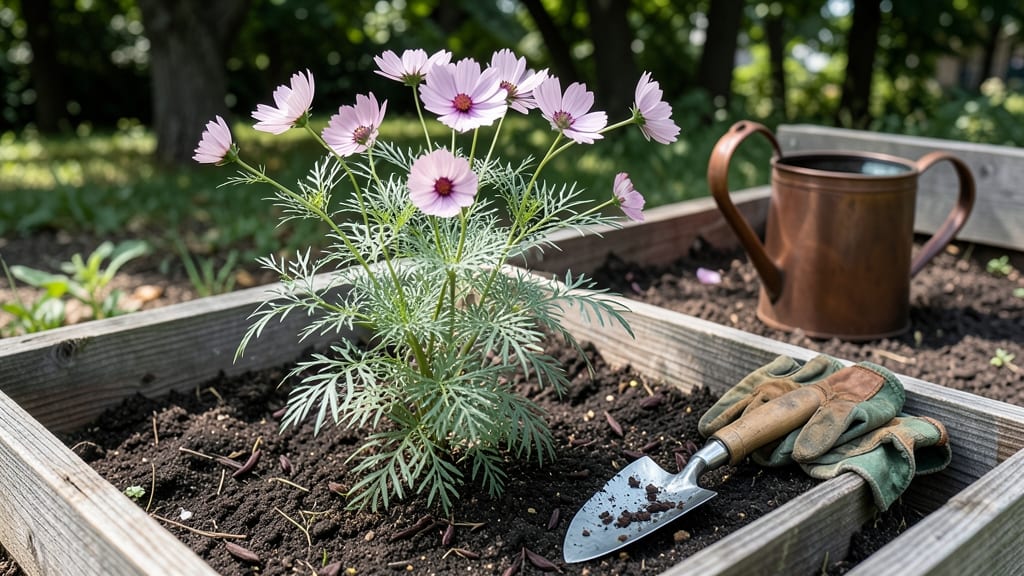
If you're dreaming of a garden bursting with vibrant cosmos blooms all season long, when to plant cosmos seeds in Zone 7 is the game-changer you need.
These cheerful 🌼 flowers thrive with minimal fuss, but planting them at the wrong time could leave you with sparse blooms instead of a nonstop show.
Most gardeners focus only on spring planting, but in Zone 7, fall sowing can actually give you longer-lasting blooms that stretch well into autumn. The key is understanding your last frost date—typically around mid-April—and working backward from there to maximize your cosmos' potential.
Whether you're a beginner or a seasoned gardener, I'll break down the exact windows for both spring and fall planting, plus pro tips to ensure your cosmos seeds germinate quickly and grow into stunning, long-blooming plants. Let's get your garden ready for a season of effortless beauty.
From soil temperature requirements to succession planting strategies, you'll discover how to turn your Zone 7 garden into a cosmos paradise that keeps giving from summer right through to frost. Ready to transform your outdoor space?
Optimal spring planting timeline for cosmos seeds in Zone 7
Spring is the best time to plant cosmos seeds in Zone 7, but timing matters to avoid late frosts that can kill tender seedlings. Since Zone 7’s average last frost falls around April 15, I recommend waiting until mid-April to early May for direct sowing outdoors.
This gives your cosmos a head start without risking frost damage.
Cosmos seeds germinate quickly—often within 7-14 days—when soil temperatures reach at least 50°F (10°C). In Zone 7, this usually happens by late April, but I always check a soil thermometer to confirm.
If your soil is still chilly, consider starting seeds indoors 4-6 weeks before your last frost date for earlier blooms.
Pro Tip: Cosmos thrive in poor soil, so don’t over-fertilize. A light application of compost before planting is enough to encourage strong roots without excessive foliage. Overly rich soil can lead to leggy seedlings that flop over.
Here’s my step-by-step spring planting guide for cosmos in Zone 7, including indoor starts and direct sowing methods to maximize your bloom time.
🌱 Step-by-Step Spring Planting for Cosmos in Zone 7
-
Step 1: Indoor Starts (Optional)
4-6 weeks before last frost (early March)
Sow seeds in biodegradable pots with seed-starting mix. Keep soil moist and place under grow lights (6+ hours/day). Transplant outdoors after frost danger passes. -
Step 2: Direct Sowing
Mid-April to early May
Scatter seeds ¼ inch deep in well-draining soil with 6+ hours of sun. Space rows 12-18 inches apart for dwarf varieties or 24 inches apart for standard cosmos. -
Step 3: Germination
7-14 days at 50°F+
Keep soil consistently moist (not soggy) until seedlings emerge. Thin to 12-24 inches apart when seedlings have 2-3 true leaves to prevent overcrowding. -
Step 4: First Blooms
60-90 days after sowing
Expect first flowers in July if planted early. Deadhead spent blooms to encourage nonstop blooming through frost. Cosmos are self-cleaning, so they rarely need deadheading, but it extends the season! -
Step 5: Succession Planting
Every 2-3 weeks until June
Sow new batches every 2-3 weeks until early June for continuous blooms through fall. This is my secret to a cosmos-filled garden all summer!
If you’re new to cosmos, direct sowing outdoors is the easiest method. Simply scatter seeds after the last frost, water lightly, and watch them pop up in days.
For earlier blooms, indoor starts give you a 4-6 week head start, but they’re not necessary if you’re okay with blooms starting in mid-summer.
One common mistake I see is planting too early and risking frost damage. Cosmos seeds can survive light frosts, but young seedlings will die if temperatures drop below 28°F (-2°C). Always check your local frost dates—Zone 7 varies slightly by region, so err on the side of caution.
For maximum blooms, choose a sunny spot with well-draining soil. Cosmos tolerate poor soil and drought once established, but they’ll reward you with more vibrant flowers if you amend the soil with compost before planting. Avoid heavy clay or waterlogged areas—they hate soggy roots!
Remember, cosmos are annuals that reseed themselves easily. If you let a few flowers go to seed, you’ll likely have volunteer cosmos popping up next year—nature’s way of saying, “You did it right!”
For Zone 7 gardeners who love long bloom seasons, spring planting is just the beginning. Stay tuned for my next section on fall planting secrets to extend your cosmos blooms into late October—yes, it’s possible with the right timing!
Fall planting secrets: how to extend cosmos blooms into late season
Fall planting might seem counterintuitive for cosmos, but in Zone 7, it’s a game-changer for late-season color. When sown in September or early October, cosmos seeds germinate quickly in warm soil and produce vibrant blooms just as summer fades.
This strategy extends your garden’s showstopper season well into October or November, depending on your microclimate.
The key is timing—plant too early, and seedlings may bolt before frost. Too late, and they won’t mature before cold sets in. Aim for 6-8 weeks before your first frost date (typically October 30 in Zone 7).
For example, if your first frost is October 30, sow seeds around September 15-20 for reliable blooms.
Fall-planted cosmos also tend to have brighter colors and longer stems, making them ideal for cutting gardens. The cooler temperatures reduce pest pressure, so you’ll spend less time battling aphids or spider mites. Plus, late blooms attract beneficial pollinators like bees and butterflies when other flowers are scarce.
- Faster Germination: Warm soil speeds up sprouting (5-10 days vs. 14+ in spring).
- Longer Blooms: Late-season flowers last until frost, unlike spring-planted cosmos that fade by August.
- Pest Resistance: Cooler temps deter common garden pests like aphids.
- Drought Tolerance: Established fall plants handle autumn dry spells better than spring starts.
To protect fall seedlings from early frost, use row covers or mulch heavily with straw. Cosmos are frost-tolerant once established, but young plants may need a lightweight frost cloth if temperatures dip below 25°F (-4°C).
Choose dwarf varieties like ‘Sensation Mixed’ or ‘Bright Lights’ for shorter stems that hold up better in windy autumn conditions.
For maximum impact, stagger fall plantings every 2-3 weeks from mid-September to early October. This creates a succession of blooms, ensuring your garden stays lively until the first hard freeze. Pair cosmos with late-season companions like asters or goldenrod for a dynamic, pollinator-friendly display.
Don’t overlook fall planting—it’s the secret to a longer, more vibrant cosmos season in Zone 7. With the right timing and a little protection, you’ll enjoy nonstop blooms from summer straight through to winter’s first chill. 🌼