
Plants
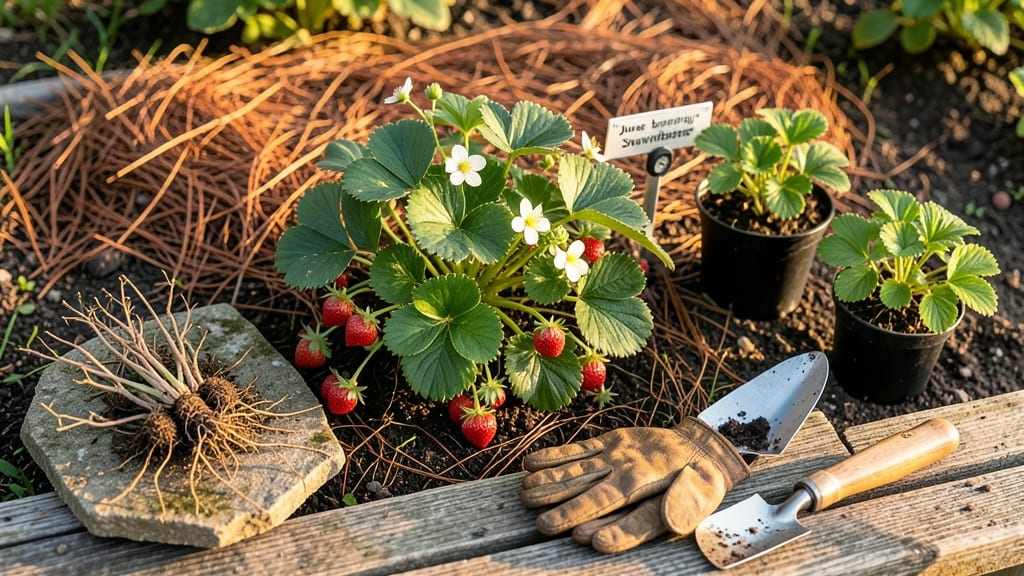
Planting strawberries in Zone 7 at the wrong time can mean the difference between a bountiful harvest of sweet 🍓 and struggling plants that barely survive.
Unlike some crops, strawberries are picky about when they hit the soil—too early, and frost zaps their energy; too late, and they won’t establish roots before summer heat sets in.
Most gardeners in Zone 7 focus on spring planting, but fall can actually be the smart move for certain varieties. The key is understanding your last frost date (usually mid-April) and how it affects both planting windows.
Whether you’re working with June-bearing or everbearing types, timing directly impacts how well your plants take root and produce fruit.
In this guide, I’ll break down the exact planting windows for Zone 7—when to start in early spring (March) versus late summer (August)—plus soil prep tips to set your strawberries up for success.
You’ll learn how to avoid common mistakes that waste time and effort, so you can enjoy homegrown berries from May through June.
Ready to grow strawberries that thrive? Let’s get your schedule—and your garden—aligned for the best possible yield.
Optimal planting windows for Zone 7 strawberries: fall vs spring breakdown
Getting the timing right for strawberry planting in Zone 7 can mean the difference between a bountiful harvest and struggling plants. Unlike cooler climates, Zone 7's mild winters and hot summers create unique windows for both fall and spring planting.
Most gardeners swear by fall planting for June-bearing varieties, while everbearing types often thrive with spring starts. Let's break down the best times for each approach.
For June-bearing strawberries, the optimal fall planting window in Zone 7 runs from mid-August to early September. This timing allows roots to establish before winter dormancy while avoiding the heat stress of late summer.
The key is planting 6-8 weeks before your first frost (typically mid-November in Zone 7), giving plants enough time to root but not enough to produce fruit before winter.
Spring planting, on the other hand, works best for everbearing varieties between mid-March and early April. This aligns with soil warming after the last frost date (usually mid-April in Zone 7).
The earlier you plant in spring, the longer your harvest window becomes, but avoid planting too soon when soils may still be cold and wet.
The soil temperature is your best guide for timing. Strawberry roots need soil that's at least 55°F for fall planting and 50°F for spring. Use a soil thermometer to check—planting in cooler soils can stunt root growth.
In Zone 7, this typically means waiting until daytime highs consistently reach these thresholds before planting.
For gardeners who miss the fall window, late spring planting (early May) is still possible, though yields may be smaller in the first year. The trade-off is that plants get a full growing season to establish before winter.
This approach works best for June-bearing varieties that you want to establish for next year's harvest.
One critical factor in Zone 7 is avoiding late-season heat stress. If you plant in late spring (after early May), watch for heat waves above 90°F, which can cause flower drop. Providing afternoon shade with lightweight row covers can help maintain fruit set during hot periods.
Remember that everbearing varieties are more forgiving with timing. They'll produce fruit throughout the season, making them ideal for gardeners who want flexibility. Popular choices like Albion and Seascape handle both spring and fall planting well in Zone 7's climate.
Pro tip: If you're planting in fall for June-bearing varieties, consider using black plastic mulch to warm the soil and extend the planting window by a week or two. This simple trick can give your strawberries that extra edge for root establishment.
Finally, always check your specific microclimate. Urban areas may experience heat islands that push planting windows earlier, while rural zones might stay cooler longer. Observe your garden's patterns for at least two years to refine your timing.
Optimal planting windows for Zone 7 strawberries: fall vs spring breakdown
In Zone 7, the best time to plant strawberries depends on your variety and local frost patterns. June-bearing types thrive when planted in late summer (August), while everbearing varieties often do better in early spring (March).
The key is avoiding frost—your last frost date (mid-April) acts as a critical cutoff for spring planting.
Fall planting (August) gives strawberries time to establish roots before winter, while spring planting (March) aligns with natural growth cycles. Both methods work, but fall planting often yields stronger plants for next year’s harvest. Let’s break down the specifics for each approach.
| Planting Window | Best Varieties | Ideal Soil Temp | Key Considerations |
|---|---|---|---|
| Late Summer (August) | June-bearing (e.g., Chandler, Jewel) | 55-65°F | Establishes roots before winter; harvest next year |
| Early Spring (March) | Everbearing (e.g., Seascape, Tristar) | 40-50°F | Faster harvest current year; risk of frost damage |
If you’re planting in spring (March), aim for 4-6 weeks before your last frost date. This gives plants time to root before summer heat arrives. For fall planting (August), wait until soil temperatures drop below 75°F to prevent stress. Both methods require well-draining soil and full sun.
Zone 7’s mild winters mean strawberries can survive dormancy, but early spring frosts can still damage tender growth. Use row covers if planting early spring varieties to protect against late frosts. Everbearing types, like Seascape, tolerate cooler temps better, making them ideal for spring planting.
Adjust your timing if your area has unpredictable frosts. For example, if your last frost occurs in late April, delay spring planting until early April. Fall planting is more forgiving since plants establish roots before winter. Always check local weather trends to fine-tune your schedule.
Pro tip: Plant bare-root strawberries in fall—they establish roots before winter and produce larger yields the following year. For spring planting, use potted plants to avoid transplant shock. Both methods work, but fall planting often yields stronger, more productive plants.