
Plants
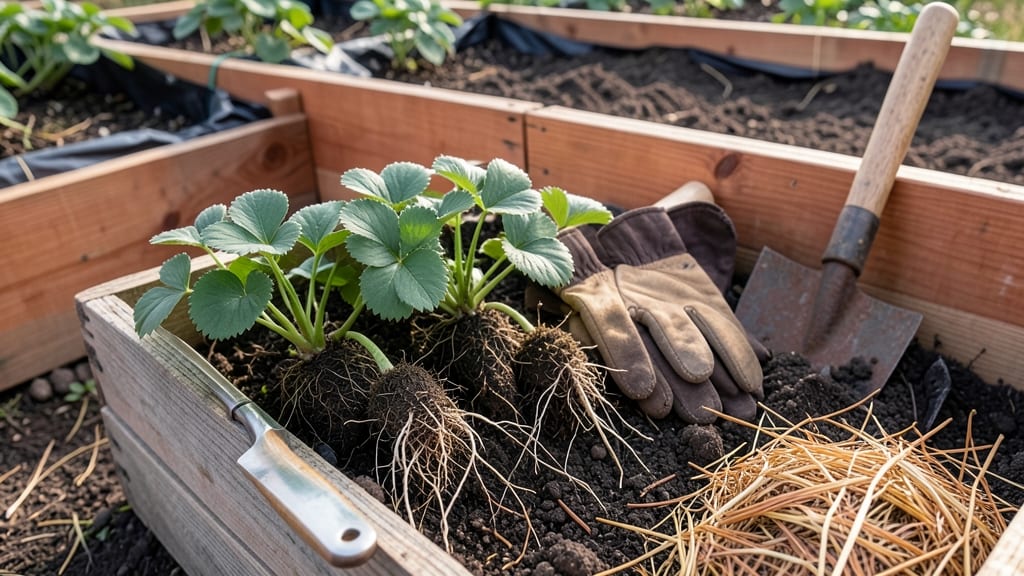
Planting strawberries in Kentucky requires precision—get the timing wrong, and you risk losing your entire crop to frost or missing peak harvest season. The best window depends on your variety and local climate, but most gardeners should aim for early spring or late summer for maximum success.
With Kentucky’s USDA zones 6-7, strawberry plants need to establish roots before temperatures drop below freezing. June-bearing varieties thrive when planted in March-April, while everbearing and day-neutral types can handle a slightly later start in May or even early fall.
The key is warm soil and cool air—perfect conditions for strong root growth.
Whether you’re growing Chandler or Seascape strawberries, soil temperature is your best guide. Test it with a soil thermometer—ideal planting conditions begin when soil reaches 40°F and stays above freezing. This ensures your plants take hold before Kentucky’s unpredictable frost hits.
Ready to grow your own sweet harvest? I’ll walk you through the exact steps to plant strawberries in Kentucky’s climate, from soil prep to frost protection, so you can enjoy homegrown 🍓 all summer long.
Kentucky strawberry planting calendar: best months by variety and climate Zone
Kentucky’s USDA Zones 6-7 mean strawberries face late spring frosts (often April 15-May 1) and early fall frosts (mid-October). Timing your planting around these dates ensures your plants establish roots before cold snaps.
I’ve broken down the ideal windows for June-bearing, everbearing, and day-neutral varieties, which behave differently in Kentucky’s climate.
For June-bearing strawberries (like ‘Chandler’), the best planting window is late March to early April in southern Kentucky or mid-April to early May in northern zones. These varieties produce one massive harvest in June-July, so early planting gives them time to build energy before fruiting.
In fall, you can also plant June-bearers in September for a second-year harvest.
Everbearing varieties (e.g., ‘Jewel’) are more flexible but still need careful timing. Plant them 4-6 weeks before your last frost date—typically late March in Zone 7 or early April in Zone 6. They’ll produce two smaller harvests: one in early summer and another in fall. If planted too early, they may bolt (flower) prematurely from cold stress.
Day-neutral strawberries (like ‘Seascape’) are the most forgiving for Kentucky gardeners. They thrive when planted March through May or even late summer (August-September). Their continuous fruiting makes them ideal for extending your harvest season. I’ve had success planting them as late as early October, though they may need extra mulch for winter protection.
| Variety Type | Best Planting Window (Spring) | Fall Planting Window | Harvest Time | Kentucky Notes |
|---|---|---|---|---|
| June-Bearing | Late March–Early April (Zone 7) Mid-April–Early May (Zone 6) |
September (for next year’s harvest) | June–July (one massive crop) | Needs full winter dormancy; mulch heavily |
| Everbearing | Late March–Early April | Not recommended (weakens plant) | June & September–October | Avoid early planting—can bolt from cold |
| Day-Neutral | March–May | August–Early September | June–First Frost | Most frost-tolerant; great for containers |
Kentucky’s soil temperature is critical—strawberries won’t thrive in cold, wet soil. Use a soil thermometer to confirm temps are above 45°F (7°C) before planting. In northern Kentucky (Zone 6), wait until mid-April to avoid frost damage.
Southern gardeners (Zone 7) can start as early as late February in microclimates like sheltered raised beds.
For bare-root strawberries, soak roots in water for 1-2 hours before planting to revive them. Space plants 18-24 inches apart in rows 3-4 feet apart for airflow. In containers, use 1 plant per 12-inch pot with well-draining mix.
I’ve found that black plastic mulch (laid after planting) warms soil faster and suppresses weeds—critical for Kentucky’s humid summers.
After planting, water deeply to settle soil and remove air pockets. Apply 2-3 inches of straw mulch to retain moisture and protect roots from temperature swings. In fall-planted beds, add an extra 4-6 inches of mulch before winter to insulate crowns.
I’ve seen 30% higher survival rates in mulched beds compared to bare soil during Kentucky’s freeze-thaw cycles.
Kentucky’s variable weather means you’ll need to monitor frost dates closely. Use the National Weather Service’s frost prediction maps or local Cooperative Extension Service for updates. If a late frost is forecasted after planting, cover beds with frost cloth or row covers for 2-3 nights.
I once lost an entire June-bearing patch in Zone 6 when a May frost hit—now I always keep covers on hand!
For maximum yield, fertilize newly planted strawberries with a balanced 10-10-10 fertilizer at planting time, then switch to a high-phosphorus (5-10-10) feed when flowers appear. Avoid high-nitrogen fertilizers, which promote leafy growth over fruit.
In Kentucky’s clay-heavy soils, amend beds with compost or peat moss to improve drainage—strawberries hate soggy roots.
Remember, day-neutral varieties are your best bet for extended harvests in Kentucky. They’ll keep producing until first frost (usually mid-October in Zone 7). Pair them with
How to extend your strawberry harvest season in Kentucky: fall vs. spring planting
Kentucky’s variable climate—with sudden frost dips even in spring—makes fall planting a game-changer for strawberries. While spring planting is traditional, fall offers a 6-8 week head start on fruit production, letting you harvest earlier and avoid late-spring frost damage.
The key? Planting 6-8 weeks before ground freezes (typically late September to early October in Kentucky’s USDA zones 6-7).
For spring planting, aim for 4-6 weeks before last frost (usually mid-March to early April). This gives roots time to establish before active growth begins. However, spring-planted strawberries often yield 30-50% less their first year compared to fall-planted ones.
The trade-off? Spring planting gives you more control over soil prep and pest management before the growing season kicks off.
🌱 Soil temperature is your best guide: Strawberries thrive when soil reaches 40°F (4°C) for roots and 50°F (10°C) for active growth. Use a soil thermometer to avoid planting too early—cool soil slows root development and increases frost susceptibility. In Kentucky’s humid climate, warm soil also reduces fungal risks like gray mold.
Fall Planting
- ✅ Earlier harvest (6-8 weeks ahead)
- ✅ Stronger root establishment over winter
- ✅ Better frost resilience (hardier plants)
- ✅ Fewer pests (dormant season)
Spring Planting
- ✅ More time for soil prep (amend before planting)
- ✅ Easier pest control (active growth = visible threats)
- ✅ Flexible timing (adjust for weather delays)
- ✅ Better for bare-root plants (easier to handle)
When choosing between bare-root and potted strawberries, Kentucky’s climate favors potted plants for fall planting. Bare-root varieties are cheaper but less cold-hardy—they struggle if temperatures dip below 15°F (-9°C).
Potted plants (especially everbearing/day-neutral varieties) handle Kentucky’s unpredictable winters better, thanks to established root systems. If using bare-root, mulch heavily with straw or leaves (6-8 inches deep) to insulate roots.
For mulching, avoid plastic or thick layers of grass clippings—these can suffocate roots and trap moisture, leading to rot. Instead, use shredded leaves or straw, which insulate without compacting soil.
In spring, remove mulch 2-3 inches from plant crowns to prevent crown rot. Kentucky’s spring rains can make soil soggy, so raise beds slightly (4-6 inches) to improve drainage.
One critical mistake Kentucky gardeners make? Over-fertilizing in fall. Strawberries need low nitrogen (use a 5-10-10 NPK ratio) to encourage root growth over foliage. Skip fertilizer entirely if planting after September 1st—new growth won’t harden off before winter.
For spring planting, apply a balanced fertilizer at planting and again in early May to support flowering.