
Plants
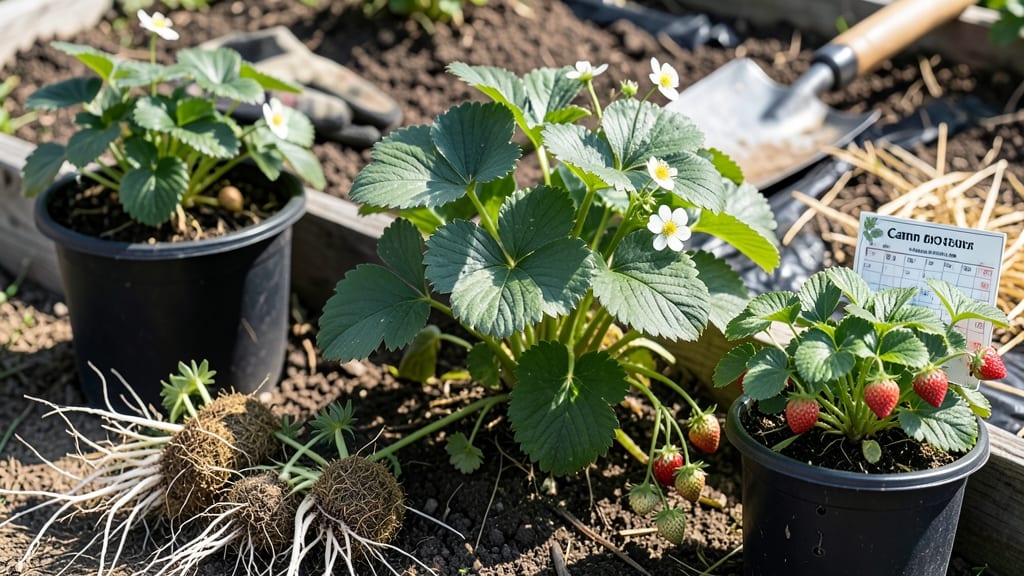
If you're asking "when do you plant strawberries in Arkansas", timing is the single most important factor for a bountiful harvest. Arkansas gardeners in zones 7a-8b have two prime windows: early spring (February-March) or fall (September-October), each offering distinct advantages for your 🍓 plants.
The key difference lies in Arkansas' unpredictable frost patterns - spring planting risks late frosts, while fall planting gives plants time to establish roots before winter. Both methods work, but your choice depends on whether you prefer summer or winter harvests.
I'll walk you through exactly when to plant in each zone, how to prepare your soil for Arkansas' humid climate, and which varieties thrive best. You'll discover why the University of Arkansas Extension recommends specific planting dates that align with local frost data.
Whether you're working with bare-root crowns or potted plants, these zone-specific strategies will help you avoid common mistakes and maximize your strawberry yield. Let's get your Arkansas garden set up for success!
Arkansas strawberry planting months by USDA Zone (Zones 6b-8a)
Arkansas' varied climate—from the cooler northern hills (Zone 6b) to the warmer southern lowlands (Zone 8a)—means strawberry planting windows shift dramatically. In Zone 6b, your last frost typically hits around March 15, giving you a narrow window for early spring planting (late February to early March).
Meanwhile, Zone 8a gardeners enjoy a longer fall season, with September-October ideal for setting out plants before winter chills arrive.
Timing isn't just about frost dates—it's also about soil temperatures. Strawberries thrive when soil reaches 45°F (7°C) or warmer. In Arkansas, this usually happens by mid-March in the north and as early as February in the south.
Planting too soon in cold soil can stunt root growth, leaving your berries vulnerable to disease and pests.
For June-bearing varieties (like 'Chandler' or 'Jewel'), aim for late February to early March in northern Arkansas.
These varieties need chilling hours to set fruit, so planting too late may reduce yields. Everbearing varieties (such as 'Seascape' or 'Albion') are more flexible—they tolerate fall planting in September and often produce fruit in both spring and fall.
Arkansas' humidity and summer heat also play a role. Fall-planted strawberries escape the oppressive July-August conditions, reducing stress and improving fruit quality.
If you're in Zone 7a or 8a, consider staggered planting: set out half your plants in early spring and the other half in late summer for a prolonged harvest.
Pro tip: Check the University of Arkansas Extension for your county's local frost dates—they often update predictions based on microclimates. For example, Mountain View (Zone 7a) may have a 2-week later frost date than Little Rock (Zone 8a), so adjust accordingly.
| USDA Zone | Best Planting Window | Soil Temp Requirement | Frost Risk | Harvest Time |
|---|---|---|---|---|
| 6b (North AR) | Late Feb - Early Mar | 45°F+ (7°C+) | High (Mar 15) | April - May |
| 7a (Central AR) | Mid-Feb - Early Apr | 40°F+ (4°C+) | Moderate (Mar 1) | April - June |
| 8a (South AR) | Sep - Oct (Fall) or Jan - Feb (Spring) | 50°F+ (10°C+) | Low (Nov 15) | Oct - Nov (Fall) or Mar - Apr (Spring) |
If you're planting in fall (September-October), focus on everbearing varieties like 'Seascape' or 'Fort Laramie'. These types handle Arkansas' mild winters better and often produce a second crop in spring.
For June-bearing varieties, fall planting is riskier—they need dormancy to set buds, and Arkansas' unpredictable winters can confuse their growth cycle.
Always prepare your soil 2-3 weeks before planting. Arkansas' clay-heavy soils (common in the Delta) drain poorly, so amend with compost or sand to improve aeration. Aim for a slightly acidic pH (6.0-6.5)
How to choose between bare-root vs. potted strawberry plants for Arkansas climates
Deciding between bare-root and potted strawberry plants in Arkansas comes down to your planting timeline and local climate conditions. Bare-root plants (just roots and crowns) are cheaper and widely available in late winter (February-March), making them ideal for spring planting in Zones 6b-7a. However, they require immediate planting—the roots dry out quickly in Arkansas' humid air, so plan to get them in the ground within 24-48 hours of purchase.
Potted plants, on the other hand, offer flexibility for fall planting (September-October) in Zones 7a-8a. Their established root systems handle Arkansas' hot, humid summers better during transplant shock, and you can even plant them year-round in mild winters. The trade-off? Potted plants cost more and may carry soil-borne diseases if not sourced from reputable nurseries like Arkansas Plant Board-certified growers.
Bare-Root vs. Potted Strawberries in Arkansas
Bare-Root Strawberries
- ✅ Pros: Cheaper, widely available in late winter
- ✅ Pros: Best for spring planting (Feb-Mar)
- ✅ Pros: No transplant shock if planted immediately
- ❌ Cons: Must plant within 48 hours
- ❌ Cons: Roots dry out quickly in Arkansas humidity
- ❌ Cons: Limited variety selection
Potted Strawberries
- ✅ Pros: Flexible planting (spring or fall)
- ✅ Pros: Established roots handle transplant shock better
- ✅ Pros: Wider variety selection
- ❌ Cons: More expensive
- ❌ Cons: Risk of soil-borne diseases
- ❌ Cons: May need root pruning before planting
"For Arkansas gardeners, potted plants are my go-to for fall planting—they give my everbearing varieties a head start before winter chills."
If you're planting bare-root crowns in Arkansas, soak the roots in lukewarm water for 1-2 hours before planting to rehydrate them. Trim any damaged roots with clean scissors, then plant with the crown (where leaves meet roots) at soil level.
In Arkansas' clay-heavy soils, mound soil around the crown to prevent rot—a common issue in our wet springs.
For potted plants, harden them off for 3-5 days before transplanting by placing them outdoors in partial shade each day. Arkansas' intense afternoon sun can scorch newly transplanted strawberries, so avoid moving them to full sun until they've acclimated.
Water deeply the day before planting to reduce transplant shock, then mulch with 2-3 inches of straw to retain moisture in our hot, dry summers.
Pro tip: If you're in Zone 8a and want to extend your harvest, try staggered planting. Set out half your potted everbearing plants in February and the other half in September.
This creates a continuous harvest from spring to fall, letting you beat Arkansas' summer heat stress and enjoy berries year-round.