
Plants
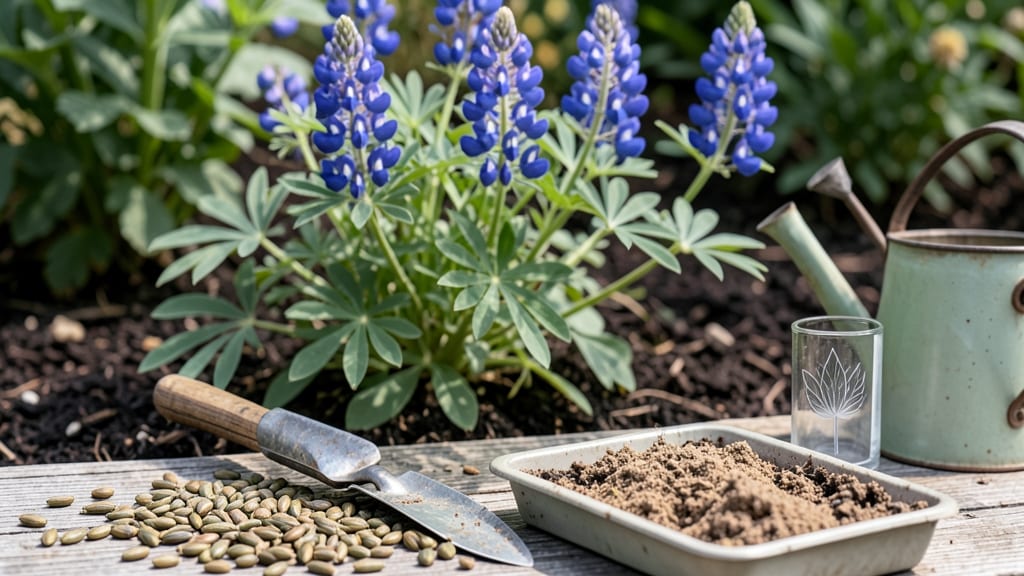
Optimal bluebonnet planting dates in Austin’s fall climate
Austin’s USDA Zone 8a-9a climate creates a narrow but critical window for planting Texas bluebonnet seeds (Lupinus texensis). Unlike general guides suggesting September planting, Austin’s unpredictable fall rains and early freezes demand precision timing to ensure vibrant spring blooms.
The ideal planting window spans just 6 weeks, from late October to mid-November. This aligns with Austin’s first frost average (December 1) while allowing seeds to germinate before winter dormancy.
Planting too early risks seed rot from heavy October rains, while late planting may leave seeds dormant before spring.
Austin’s microclimates further complicate timing. North Austin’s cooler pockets may need earlier planting (late September), while south Austin’s heat can extend the window to early December. Always check your local first frost date—planting 4-6 weeks before ensures seeds establish roots before winter.
🌼
| Planting Stage | Austin-Specific Timing | Key Considerations |
|---|---|---|
| Early Window | Late September - Early October | Risk of heavy rains; best for north Austin |
| Optimal Window | Late October - Mid-November | Balances germination and frost risk |
| Late Window | Early - Mid December | Only for south Austin; seeds may stay dormant |
| Post-Frost Planting | Not recommended | Seeds require cold stratification; poor germination |
For maximum success, aim to plant when daytime temps average 70°F but nights dip below 60°F. This typically occurs in mid-October, creating ideal conditions for seed stratification—the cold period seeds need to break dormancy.
Pro tip: Use Austin’s historical rainfall data to avoid planting during predicted 2+ inch rain events. The National Weather Service provides 10-day forecasts that can guide your timing perfectly.
Remember, bluebonnets are wildflowers, not garden perennials. They’ll self-seed aggressively if given ideal conditions, so even a small patch can spread into a stunning display over 2-3 years.
If you miss this window, don’t despair—bluebonnets can self-sow in spring, but fall planting guarantees the most vibrant, dense blooms next spring.
🌱
Optimal bluebonnet planting dates in Austin’s fall climate
Austin’s USDA Zone 8a-9a climate creates a 6-week planting window for bluebonnets—critical for germination before winter dormancy. The ideal time spans from late October to mid-November, aligning with Austin’s first frost date (December 1) and ensuring seeds establish roots before cold sets in.
Planting too early (before October) risks premature sprouting from erratic Austin rains, while late planting (after November 15) exposes seeds to dormant conditions before they can root. This window balances soil moisture and temperature for optimal success.
| Planting Stage | Austin Timeline | Key Conditions |
|---|---|---|
| Seed Scattering | Late October–Mid-November | Soil temp: 60–75°F, 1–2" rainfall |
| Germination | 4–6 weeks post-planting | Consistent moisture, no frost |
| Winter Dormancy | December–February | Minimal water, protect from hard freezes |
| Spring Blooms | March–April | Full sun, drought-tolerant once established |
Austin’s microclimates further refine timing. North Austin’s cooler pockets may shift planting 1–2 weeks later, while south Austin’s heat can allow earlier sowing in late September. Always check your last frost date—planting 4–6 weeks before ensures seeds germinate before winter.
Pro tip: Use natural rainfall to your advantage. Austin’s fall rains (October–November) reduce irrigation needs, but monitor soil moisture—overwatering is the #1 killer of bluebonnet seeds. Aim for 1–2 inches of water weekly until germination.
For maximum blooms, pair planting with native grasses like buffalo grass. These companions suppress weeds while mimicking the Texas prairie ecosystem bluebonnets thrive in. Avoid heavy mulch, which can suffocate seeds.
Remember: Bluebonnets are annuals with a 2-year lifecycle. First-year plants focus on root growth, while second-year blooms reward your patience with vibrant blue carpets—worth every late-fall effort! 🌼