
Plants
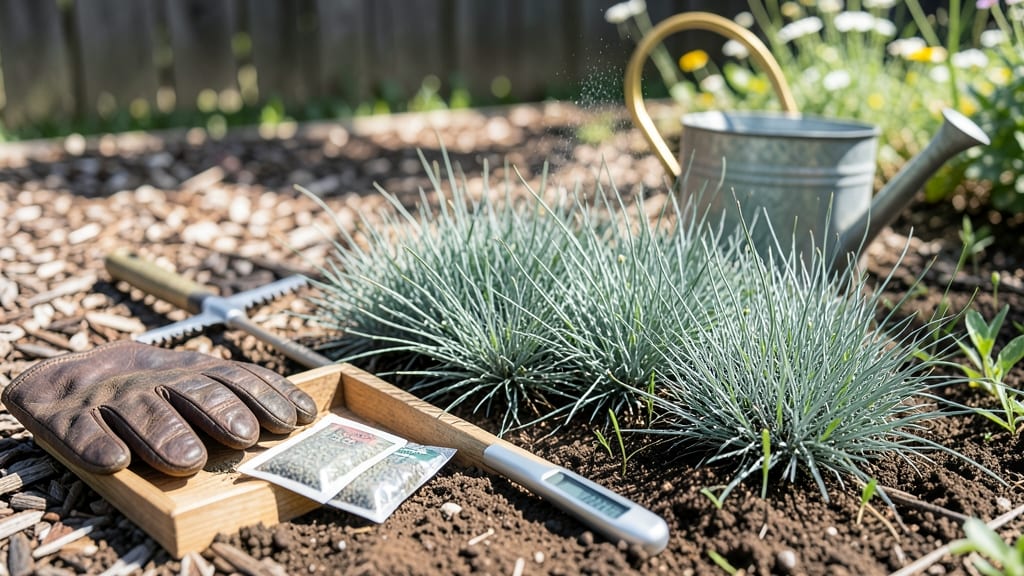
Planting buffalo grass seed in Kansas at the wrong time can mean the difference between a lush, drought-resistant lawn and months of frustration. The key isn’t just throwing seeds into the ground—it’s choosing the right window when soil temps and moisture align for fast, reliable germination.
For Kansas gardeners in USDA Zone 5b-7a, late summer to early fall (August–September) is your best bet. This timing lets you avoid the brutal summer heat while giving seedlings enough warmth to establish strong roots before winter.
Skipping this window? You might end up battling heat stress or early frost.
Why does this matter so much? Buffalo grass 🌱 thrives when planted after 85°F soil temps drop, typically in late August, giving it 6-8 weeks of growing season before the first frost. Proper timing also means less watering and fewer weeds—because a well-timed lawn starts strong.
Let’s break down the exact steps to plant buffalo grass seed in Kansas, from soil prep to watering schedules, so you can skip the guesswork and get a thick, low-maintenance lawn in no time.
Optimal planting dates for buffalo grass seed in Kansas (Zone 6b)
If you’re aiming for a drought-resistant, low-maintenance lawn in Kansas, timing your buffalo grass seed correctly is non-negotiable. Unlike cool-season grasses, buffalo grass thrives when planted in late summer or early fall—a window that aligns perfectly with Kansas’ USDA Zone 6b climate.
This timing lets seeds germinate in warm soil while avoiding the scorching July heat or early frost risks of October.
The ideal planting window spans from mid-August to early September, when daytime highs dip below 85°F but nights stay above 55°F. This balance ensures seeds don’t bake in the soil or rot from overnight chill.
For example, in Wichita (Zone 7a), aim for August 15–September 15, while Hays (Zone 5b) gardeners should push closer to late August–early September to avoid frost.
Why this window? Buffalo grass is a warm-season grass, meaning it germinates best in 65–75°F soil. Planting too early (June–July) risks seed desiccation from heat, while late September planting may see slow germination as temperatures drop.
Kansas’ unpredictable September rains also make this the safest bet—seeds get moisture without washing away.
Pro tip: Use a soil thermometer to confirm temps. If your soil hovers above 85°F in August, wait until early September or use shade cloth to protect seeds until temps stabilize. This small step can double your germination rates.
🌱 Buffalo Grass Planting Timeline for Kansas (Zone 6b)
| Stage | Action | Soil Temp (°F) | Notes |
|---|---|---|---|
| Prep Soil | Test pH (6.0–7.5), loosen top 2" | N/A | Do this 2 weeks before planting |
| Plant Seeds | Broadcast at 1/4 lb per 100 sqft | 65–75°F | Mid-August–early September |
| Germination | Light watering daily (1/4 inch) | 60–75°F | Visible sprouts in 10–14 days |
| Establishment | Water 1/2 inch every 2–3 days | 55–70°F | Reduce watering after 3 weeks |
| Mature Growth | Mow at 3–4 inches height | N/A | Full drought tolerance by Year 2 |
Microclimates matter in Kansas! If you’re in southern Kansas (Zone 7a), you might push planting to early August to beat the heat, while northern areas (Zone 5b) should wait until late August to avoid early frosts.
Check your local Kansas State University Extension frost dates—even a 2–3°F difference can shift your ideal window by a week.
For overseeding existing lawns, aim for late August to give new seeds a head start before winter. If your lawn has bare patches, focus on those areas first—they’ll need extra water to compete with established grass.
Use a starter fertilizer (low nitrogen) to boost early root growth without burning tender seedlings.
One common mistake? Planting in June or early July because “it’s hot.” Buffalo grass seeds won’t germinate reliably above 85°F, and what does sprout will brown and die under Kansas’ intense summer sun.
Instead, use this window to prep your soil: till, amend with compost, and mark your calendar for mid-August.
Remember: Consistency is key. Once planted, keep soil evenly moist for 3 weeks—not soggy, not dry. Use a sprinkler with gentle mist to avoid dislodging seeds. With the right timing, your buffalo grass will outcompete weeds and establish a thick, self-sustaining turf by next spring.
Optimal planting dates for buffalo grass seed in Kansas (Zone 6b)
Kansas’ USDA Zone 6b climate demands precision when planting buffalo grass seed. The ideal window spans from mid-August to early September, when soil temperatures dip below 85°F but remain above 55°F.
This timing lets seeds escape summer’s scorching heat while avoiding fall’s early frosts, which can stunt germination.
Planting too early (before August) risks seed desiccation from Kansas’ dry, hot winds, while waiting too late (after September) exposes young sprouts to fall frosts or winter dormancy. Aim for late summer’s humidity spike, which boosts moisture retention in the soil.
🌱 Buffalo Grass Planting Timeline for Kansas (Zone 6b)
| Stage | Action | Soil Temp (°F) | Notes |
|---|---|---|---|
| Prep Soil | Test pH (6.0–7.5), till 2–3 inches deep | 60–75°F | Remove debris, level surface |
| Plant Seed | Broadcast at 1 lb per 100 sqft | 55–65°F | Lightly rake in, water immediately |
| Germination | Keep soil moist (daily watering) | 60–70°F | Expect sprouts in 10–21 days |
| Establishment | Reduce watering to 2x/week | 50–60°F | Full coverage in 6–8 weeks |
For early planting (June–July), focus on shady microclimates like north-facing slopes or tree canopies. These spots stay cooler, mimicking late-summer conditions. Conversely, southern Kansas (closer to Zone 7a) can push planting to early October if frost dates are delayed.
Use a soil thermometer to verify temperatures—55°F is the minimum for germination, while 70°F+ speeds up sprouting. Kansas’ unpredictable rainfall means supplementing with drip irrigation during dry spells is critical for consistent moisture.
Pro tip: Mulch lightly with straw after planting to retain 1–2 inches of moisture near the seed. This mimics Kansas’ late-summer thunderstorms and reduces crusting from heavy rains. Avoid thick mulch, which can smother sprouts.
Timing isn’t just about dates—it’s about soil conditions. Wait for 2–3 consecutive days of 60°F+ soil temps before planting. Check local Kansas State University Extension forecasts for first frost alerts—aim to finish germination 4–6 weeks before frost to ensure survival.