
Plants
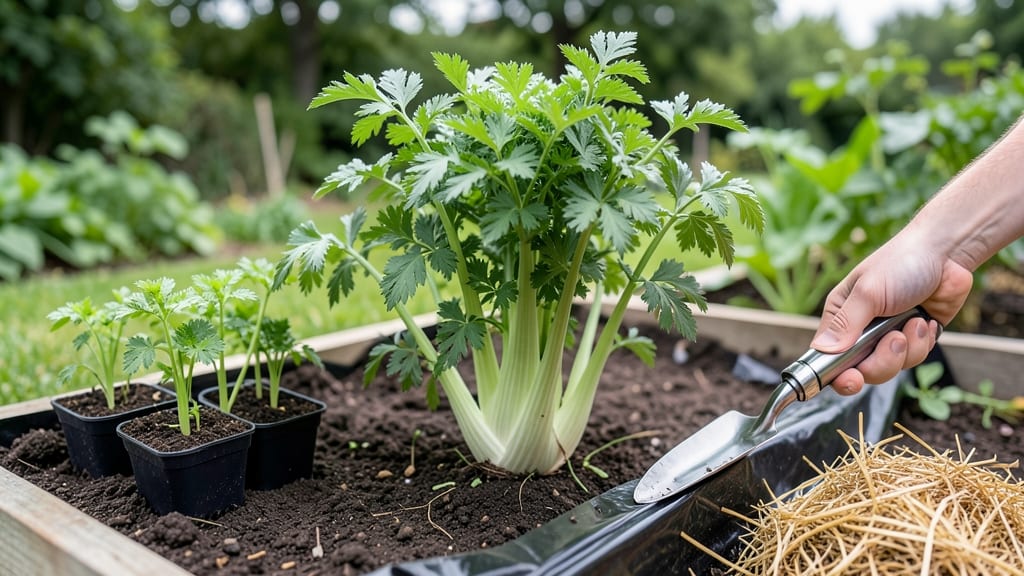
Best planting times for celery in Louisiana’s climate zones
Louisiana’s USDA zones 8a-9b offer two prime windows for growing crisp, flavorful celery—but timing is everything. The key is avoiding sweltering summer heat and humidity, which cause bolting or rot.
I’ve grown celery here for years, and I’ve learned the early spring and late summer windows work best for resilient stalks.
For spring planting, start seeds indoors 8-10 weeks before your last frost (typically mid-February). Transplant seedlings outdoors 2-3 weeks after the last frost, usually in early March.
This gives celery time to mature before summer’s heat sets in. Fall planting is your second chance—sow seeds directly outdoors in late August for a harvest before winter chill arrives.
Here’s the breakdown of ideal planting windows tailored to Louisiana’s climate:
| Season | Planting Window | Key Considerations |
|---|---|---|
| Spring | February–March | Start seeds indoors; transplant after last frost (Feb 15). Avoid summer heat. |
| Fall | Late August–September | Direct sow outdoors; harvest before first frost (Dec 1). Use shade cloth if temps exceed 85°F. |
| ⚠️ Avoid summer planting! Celery bolts in heat above 80°F. | ||
In North Louisiana (Zone 8a), where frosts arrive slightly earlier, push your fall planting to early August for a harvest before the first frost.
Meanwhile, South Louisiana (Zone 9b) gardeners can extend fall planting into early September—just be ready to protect plants with row covers if a cold snap hits.
For soil preparation, amend your beds with compost and aged manure to improve drainage—a must in Louisiana’s heavy clay soils. Celery hates soggy roots, so raised beds or mounds work wonders.
I’ve seen celery thrive in well-draining, slightly acidic soil (pH 6.0-6.8), so test your soil before planting.
Transplanting is another critical step. Seedlings should be 2-3 inches tall and hardened off before going outdoors. Space them 12-18 inches apart in rows 18 inches apart to allow airflow and reduce fungal diseases.
Mulch with straw or pine needles to retain moisture and suppress weeds—especially important in Louisiana’s humid summers.
Pro tip: Use shade cloth (30-50%) if you must plant in late spring or early fall. This slows bolting and keeps stalks crisp. I’ve used it in May and September with great success, extending harvests by 2-3 weeks in both seasons.
Finally, succession planting is your secret weapon. Sow new seeds every 2 weeks in spring and fall to ensure a continuous harvest. This works especially well in Louisiana’s short growing windows.
Best planting times for celery in Louisiana’s climate zones
Louisiana’s USDA zones 8a-9b create a tricky balance for growing celery—too early, and frost zaps tender seedlings; too late, and scorching heat sends plants bolting.
The sweet spot? Early spring (February-March) and late summer (August-September) planting windows that align with your local last frost date (February 15 in most regions).
Celery thrives in cooler temperatures (60-75°F) but wilts under Louisiana’s 90°F+ summers. By planting in these optimal windows, you avoid both extremes. For spring crops, start seeds indoors 8-10 weeks before last frost or transplant hardened-off seedlings after March 15.
For fall harvests, focus on August-September planting to ensure mature stalks before first frost (December 1). This late-summer window gives plants 100-120 days to grow before cooler weather slows them down.
In Zone 9b, you can even push fall planting to early October for a winter harvest.
🌱 Louisiana Celery Planting Timeline
| Season | Planting Window | Key Actions | Harvest Time |
|---|---|---|---|
| Spring | February-March | Start indoors 8-10 weeks before last frost or transplant after March 15 | April-May |
| Fall | August-September | Direct sow or transplant hardened seedlings; use shade cloth if temps exceed 85°F | October-November |
| Winter (Zone 9b only) | Early October | Plant with heavy mulch; protect from light frosts with row covers | December-January |
💡 Pro Tip: Always test your soil’s pH (6.0-7.0) before planting—Louisiana’s clay soils often need compost amendments for optimal drainage.
Soil temperature is just as critical as air temperature. Celery seeds won’t germinate well below 55°F, so wait until soil warms to at least 60°F for direct sowing.
In Zone 8a, this typically means mid-March for spring plantings. Use a soil thermometer to check—cool, damp Louisiana soils can delay germination for weeks.
Transplanting is another key strategy. Seedlings from local nurseries (like those from LSU AgCenter affiliates) are often hardened against humidity and adapt faster. Look for 6-inch-tall plants with 4-5 true leaves—these establish quicker than home-started seeds in Louisiana’s heat.
Remember: Celery hates heat. If you miss the August window, don’t despair—just focus on shade protection and daily watering to coax a late-season harvest. The effort pays off with crisp, homegrown stalks that outshine store-bought any day. 🥬