
Plants
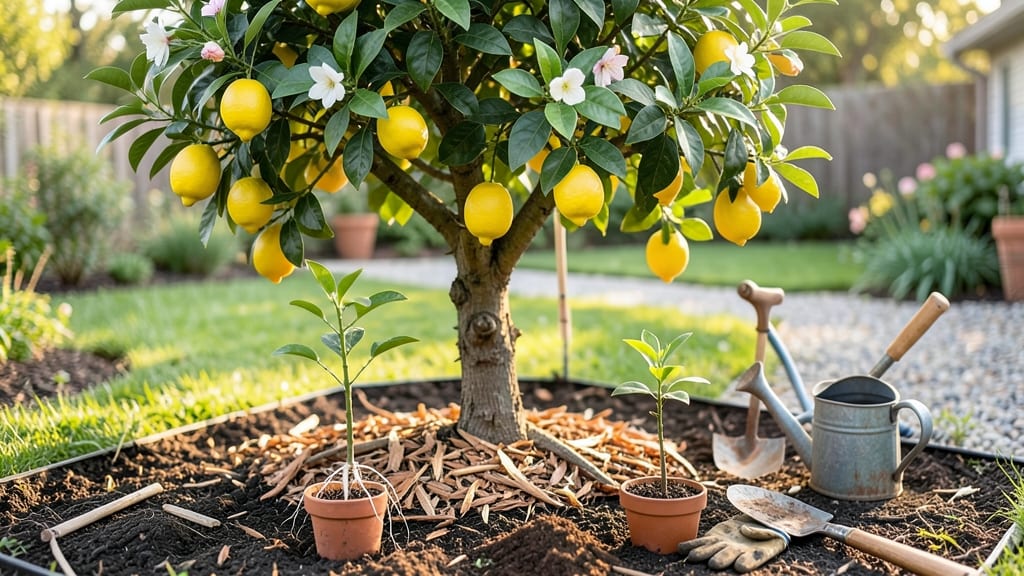
If you've ever dreamed of harvesting your own fresh 🍋 from a Louisiana lemon tree, timing your planting is the single most important decision you'll make. Planting outside the ideal window could mean struggling with frost damage or stunted growth—especially in our 8a-9b zones where temperatures can swing dramatically.
Most gardeners in Louisiana know the basics—spring and fall are the go-to seasons—but did you know there's a specific two-month window that gives your lemon tree the best shot at thriving?
I'll show you exactly when to plant for zero frost risk and how to prepare your soil to match Louisiana's subtropical climate.
Whether you're in New Orleans or Shreveport, the key is understanding your microclimate. Coastal areas have different frost patterns than inland regions, and knowing these details could mean the difference between a thriving citrus tree and one that barely survives.
Let's get into the best months to plant and why they work so well for Louisiana's unique growing conditions.
You'll also discover how to spot the signs of poor planting timing early and what to do about it. With the right approach, you could be enjoying homegrown lemons in just a few years—starting with the perfect planting window today.
Louisiana’s ideal lemon tree planting months: frost-free Zone insights
If you’re dreaming of fresh homegrown lemons in Louisiana, timing your lemon tree planting right is the secret to avoiding frost damage and ensuring strong root establishment.
With Louisiana’s USDA Zones 8a-9b, you’ve got a head start—no harsh winters to worry about—but late frosts can still sneak in, especially in Zone 8a areas like Shreveport or Monroe.
The perfect window for planting lemon trees in Louisiana is late February through March, right after the average last frost date (typically around February 15). This gives young roots time to acclimate before summer heat arrives.
For those in coastal areas like New Orleans, where microclimates are milder, you can even plant as early as January.
Here’s the golden rule: Wait until soil temperatures consistently stay above 60°F. Cold soil slows root growth, leaving your tree vulnerable to stress. Use a soil thermometer to check—if it’s below 60°F, hold off for another week or two.
For a second planting window, aim for September to early October. This gives your lemon tree time to establish roots before winter, though coastal areas can push planting into November with minimal risk.
Just avoid planting too close to the first frost (usually around November 15), as young trees won’t have time to harden off.
🌱 Pro Tip: Louisiana’s humidity and heat mean your lemon tree will need extra care during its first year. Mulch heavily to retain moisture, and consider a windbreak if you’re near the coast—hurricanes and strong winds can stress young trees.
| Planting Window | Soil Temp Requirement | Frost Risk | Best For |
|---|---|---|---|
| Late February - March | 60°F+ | Low (post-frost) | Zone 8a-9b |
| January (coastal only) | 55°F+ | Very Low | New Orleans, Baton Rouge |
| September - Early October | 65°F+ | Moderate (avoid Nov) | All zones |
| November (coastal only) | 60°F+ | Low | South Louisiana |
🌡️ Why February-March? This window balances warm soil, lower humidity, and minimal pest pressure. Young lemon trees thrive when they’re not battling fungal diseases (common in Louisiana’s wet summers) or frost stress (a risk in early spring for Zone 8a).
If you’re in Zone 9b (like Lafayette or Houma), you’ve got even more flexibility—planting in April is still safe, but February-March remains ideal for faster root establishment. The key is to avoid peak heat; lemon trees planted in summer often struggle with transplant shock and water stress.
For container growing, timing is less critical, but still follow the 60°F soil rule. Containers dry out faster in Louisiana’s heat, so water consistently and use a well-draining potting mix with perlite or sand to mimic ideal conditions.
🌿 Regional Adjustments: Inland areas like Alexandria or Monroe (Zone 8a) should err on the later side (March-April) to avoid late frosts. Coastal gardeners can push planting into January or November, but monitor weather forecasts—a <
How to prepare Louisiana soil for lemon trees: pH, drainage, and sunlight secrets
Louisiana’s native soils—often heavy clay—can be a challenge for lemon trees, but with the right prep, you’ll create the perfect foundation. Citrus thrives in well-draining, slightly acidic soil with a pH between 6.0 and 7.0.
If your yard’s soil is too dense or alkaline, your tree’s roots will struggle to absorb nutrients, stunting growth and reducing fruit production.
Start by testing your soil’s pH using a home test kit or lab analysis. Most Louisiana soils lean toward alkaline (pH 7.5+), so you’ll likely need to lower the pH with sulfur or peat moss.
For clay-heavy areas, mix in 2-3 inches of compost or organic matter to improve drainage and aeration before planting.
🌱 Visual Guide: Louisiana Soil Prep