
Plants
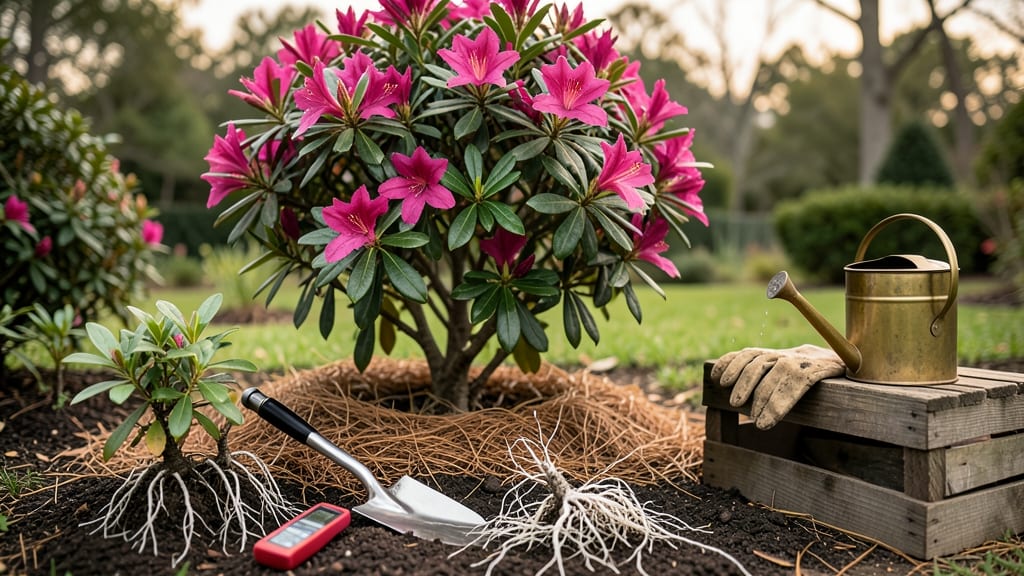
Planting azaleas in Louisiana might seem tricky with all that humidity and heat, but getting the timing right is the key to vibrant blooms that last all season. The difference between thriving 🌸 shrubs and struggling ones often comes down to when you put them in the ground.
Most gardeners in zones 8a-9b swear by fall planting—between October and November—when temperatures cool and the soil stays moist just enough for roots to establish. But early spring (February to March) also works if you act fast before the heat kicks in.
Why does timing matter so much? Louisiana’s climate can be unforgiving—too early, and your azaleas might bake in the sun; too late, and they could struggle with winter moisture. I’ll break down the best windows, soil prep tricks, and even how to handle container vs. in-ground planting for maximum success.
Ready to grow azaleas that wow? Let’s dive into the easiest way to plant them so they thrive year after year, no matter where you are in the state.
Best planting windows for azaleas in Louisiana’s humid climate
Louisiana’s humid subtropical climate creates unique challenges for azalea planting, but the key to success lies in timing your transplant to avoid heat stress and fungal diseases.
Unlike northern climates, Louisiana’s long growing season and high humidity mean azaleas thrive when planted during cooler months when roots can establish without wilting.
Azaleas are evergreen or semi-evergreen shrubs that prefer acidic soil (pH 4.5-6.0) and partial shade, but they struggle when planted during peak summer heat. The optimal windows for Louisiana gardeners are fall (October-November) and early spring (February-March), when temperatures are mild and humidity is slightly lower.
🌸 Azalea Planting Schedule for Louisiana
| Season | Best Months | Why It Works | Soil Prep Tip |
|---|---|---|---|
| Fall | October - November | Cooler temps reduce transplant shock; roots establish before winter. | Add peat moss or pine bark to improve drainage. |
| Early Spring | February - March | Avoids summer heat; plants bloom in spring/summer. | Test soil pH; amend with sulfur if needed. |
| Avoid | April - September | High heat increases transplant shock and fungal diseases. | If planting in summer, use shade cloth for 4-6 weeks. |
For container-grown azaleas, you have slightly more flexibility—plant them anytime the ground isn’t frozen, but still prioritize fall or early spring. Containers dry out faster in Louisiana’s heat, so water daily for the first 2 weeks after transplanting to prevent root desiccation.
One common mistake Louisiana gardeners make is planting azaleas too late in fall (after November 15). While they’ll survive, root growth slows before winter dormancy, delaying next year’s blooms. Aim to plant at least 6-8 weeks before the first expected frost (typically December 1 in most of Louisiana).
If you’re planting bare-root azaleas, soak the roots in water for 1-2 hours before planting to rehydrate them. Louisiana’s clay-heavy soils in many areas can suffocate roots, so always amend with organic matter like compost or leaf mold.
Mix in 1-2 inches of pine fines to maintain acidity naturally.
After planting, water deeply to settle soil around roots, then mulch with 2-3 inches of pine straw to retain moisture and regulate soil temperature. Avoid wood chips, which can raise soil pH over time.
In coastal Louisiana, where humidity is highest, consider adding fungicide to the planting hole to prevent root rot.
Monitor newly planted azaleas for wilting or yellowing leaves, which signal transplant shock. In Louisiana’s heat, this can happen within 3-5 days if roots aren’t established. Provide light afternoon shade (especially in USDA Zone 9b) until the plant shows new growth, typically in 4-6 weeks.
For reblooming varieties like Encore azaleas, plant in early spring (February) to ensure they have time to establish before their summer blooming cycle. These hybrids need consistent moisture and protection from afternoon sun during Louisiana’s humid summers to perform well.
Remember: Azaleas are not drought-tolerant, even in Louisiana’s heat. Once established (after 1-2 years), they’ll need 1 inch of water per week, but newly planted shrubs require deep watering 2-3 times per week during the first growing season.
Use a soaker hose to water at the base and avoid wetting foliage to prevent fungal diseases like powdery mildew.
How Louisiana’s microclimates affect azalea planting zones
Louisiana’s diverse climate zones—from the steamy coastal regions to the drier Northwest—create unique challenges for azalea growers. Unlike other states, our humidity levels and heat intensity vary dramatically, meaning your neighbor’s perfect planting time might not work for you.
Understanding these microclimates helps you pick the right azalea varieties and adjust timing for success.
For example, Southern Indica azaleas thrive in USDA Zone 8b-9a (common in New Orleans and Baton Rouge), while Knap Hill hybrids prefer the cooler Zone 7b found in Shreveport or Monroe. Even within a city, urban heat islands can push temperatures 5-10°F higher than rural areas, affecting transplant shock risk.
Here’s how to match your local conditions to the best planting windows:
🌍 Louisiana Azalea Planting Zones Comparison
| Zone | Best Planting Window | Top Varieties | Key Considerations |
|---|---|---|---|
| Coastal (8b-9a) | October–November or February | Southern Indica, Formosa | High humidity; avoid summer planting |
| Central (8a-8b) | November or March | Encore, Knap Hill | Moderate heat; mulch heavily |
| Northwest (7b-8a) | March–April | Knap Hill, Ghent | Cooler nights; extend spring window |
If you’re in Zone 9a or hotter (like Lafayette or Houma), prioritize fall planting to beat the summer heat. For Zone 7b areas, a late-winter start lets roots establish before peak humidity arrives.
Pro tip: Check your local frost dates—even in Louisiana, a late freeze can damage young azaleas if planted too early.
Urban gardeners in New Orleans or Baton Rouge often face compacted soil and limited shade. Amend with peat moss and plant near east-facing walls to maximize morning light while avoiding afternoon sunburn.
Rural areas with well-draining clay (like in Acadiana) benefit from deeper planting holes and pine bark mulch to retain moisture.
For container-grown azaleas, adjust timing by 2-4 weeks earlier in coastal zones to prevent root rot from summer downpours. Always check the root ball—if it’s dry when you plant, soak it first to reduce transplant shock in Louisiana’s 90°F+ summers. 🌸