
Plants
Timing your cantaloupe planting in Zone 6 can make or break your harvest—get it wrong, and you might end up with wilted vines instead of sweet 🍈 fruits.
The key isn't just waiting for frost-free days; it's ensuring your soil hits that 70°F minimum temperature where seeds finally spring to life.
Most gardeners in 6a rush to plant as soon as the last frost passes, but cantaloupes are finicky. They need consistent warmth to germinate, and cool spring nights can stall growth for weeks.
That's why I've tested planting schedules for years—late May is your sweet spot, but there are ways to push it earlier with the right tricks.
In this guide, you'll discover exactly when to start seeds (indoors vs. direct-sow), how to check soil temps like a pro, and which companion plants keep pests away. We'll also cover how to extend your growing season so you can squeeze in a second planting if summer stretches long enough.
Ready to turn your Zone 6 garden into a cantaloupe goldmine? Let's dive into the fastest way to get those seeds sprouting and vines thriving—no more wasted efforts or half-hearted harvests.
Zone 6 cantaloupe planting timeline: soil temperature guidelines
Cantaloupe thrives in warm soil and air, making Zone 6 a tricky environment for growing these sweet melons. The key to success lies in planting at the right time—when your soil reaches at least 70°F and stays consistently above 50°F at night.
In Zone 6, this typically means waiting until mid-to-late May, after your last frost date has passed and the ground has warmed sufficiently.
Direct-sowing cantaloupe seeds too early—before soil temperatures hit 70°F—will result in slow germination or seeds that simply rot in the cold ground. Instead, I recommend waiting until late May or early June for direct planting, when daytime highs are consistently in the 75-85°F range.
This timing aligns with the 165 frost-free days Zone 6 offers, giving cantaloupes enough time to mature before fall frosts arrive.
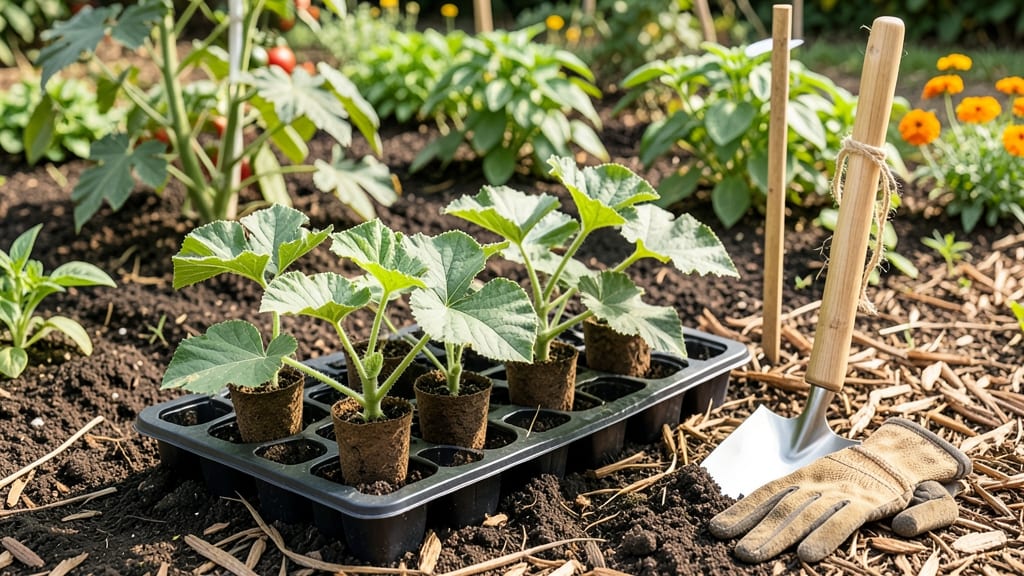
If you’re eager to get a head start, you can start seeds indoors 3-4 weeks before your last frost date (around mid-April), but transplanting seedlings outdoors too early can shock them.
Use row covers or black plastic mulch to warm the soil faster and protect young plants from unexpected late frosts. This strategy extends your planting window by 1-2 weeks without risking seed failure.
Here’s the critical soil temperature
Zone 6 cantaloupe planting timeline: soil temperature guidelines
Cantaloupe thrives in warm soil and hot weather, making timing critical in Zone 6 where frosts linger until mid-May. The key to success? Planting only after soil reaches 70°F+—any earlier, and seeds rot or fail to sprout.
I’ve learned this the hard way after watching seedlings drown in cold, damp soil last spring!
For Zone 6 gardeners, the ideal planting window spans mid-May to early June, aligning with your last frost date (typically mid-April to early May). But don’t rush—cantaloupe seeds need consistent warmth to germinate, and soil heats up faster on black plastic mulch or in south-facing beds.
I’ll show you exactly how to time it below.
| Stage | Action | Soil Temp (°F) | Zone 6 Timeline |
|---|---|---|---|
| Seed Starting Indoors | 4-6 weeks before last frost | 65-70°F | Early April |
| Transplant Outdoors | After soil warms to 70°F+ | 70°F+ | Mid-May to early June |
| Direct Sow Outdoors | After last frost, soil 75°F+ | 75°F+ | Late May to early June |
| Harvest Window | 70-90 days after planting | N/A | Late July to early September |
Direct-sowing (planting seeds straight into the garden) is my preferred method for cantaloupe in Zone 6, but only after late May when soil temperatures consistently hit 75°F+. I use a soil thermometer (non-negotiable!) to confirm—cold soil = slow germination or moldy seeds. Pro tip: Warm the soil faster with black plastic mulch laid down 1-2 weeks before planting.
If you’re starting seeds indoors (4-6 weeks before last frost), use heat mats to keep soil at 70-75°F—cantaloupe seeds germinate best in warmth. Transplant seedlings outdoors only after nighttime temps stay above 55°F, or they’ll bolt or wilt.
I’ve lost entire batches by rushing this step, so patience pays off!
Late planting (June or later) can still work in Zone 6, but expect a shorter harvest window. Cantaloupe needs 90-100 days to mature, so aim to plant by early July at the latest for a fall crop. Use row covers to extend the season if frost threatens early. My 2022 experiment with a late-June planting yielded small but sweet melons by August!
For frost-prone areas in Zone 6, consider succession planting: Sow a second batch in early July for a late-summer harvest. Just ensure your soil stays warm—cantaloupe hates cold feet.
I’ve had the most success with ‘Athena’ and ‘Hale’s Best’ varieties in my Zone 6a garden, as they tolerate cooler soils better than heirlooms.
Remember: Soil temperature > air temperature. Even if daytime highs hit 80°F, if your soil is still chilly, seeds will struggle. Test it daily until you hit 70°F+—your cantaloupe will thank you with juicy, sweet harvests instead of bitter, small fruits. 🍈