
Plants
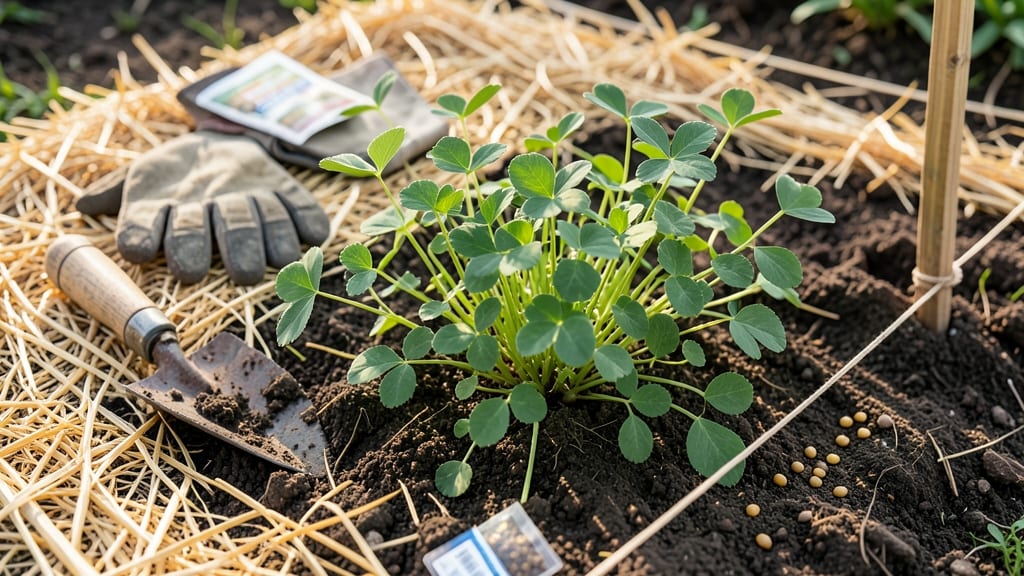
Timing your alfalfa planting in spring can make the difference between a thriving crop and a frustrating wait for germination. This hardy plant needs the right balance of soil warmth and moisture to kickstart growth, and getting it wrong means slow starts or even failed patches.
Most gardeners in USDA Zone 6a (and similar climates) should aim for early to mid-spring planting—typically after the last frost date when soil temperatures consistently hit 50°F. But here's the catch: Northern regions may need to wait until late April, while Southern areas can start as early as March.
I’ll walk you through the fastest way to check soil readiness, regional adjustments, and how to avoid common mistakes that sabotage alfalfa growth. Whether you're a first-time planter or a seasoned gardener, these tips will help you get it right the first time.
Ready to set your alfalfa up for success? Let’s dive into the soil temperature checklist and planting schedule that works for your climate.
Optimal soil temperature ranges for planting alfalfa in spring
Alfalfa seeds need warm soil to germinate quickly, but planting too early can leave them vulnerable to soil-borne diseases and frost damage. The ideal soil temperature range for alfalfa germination is between 45°F and 55°F, with 50°F being the sweet spot for consistent sprouting.
In cooler climates, like USDA Zones 3-5, soil may not reach these temperatures until late April or May, while warmer zones like Zones 6-8 can start planting as early as March. Waiting for the right temperature ensures faster germination and stronger seedlings.
To check your soil temperature, use a soil thermometer inserted 2-3 inches deep—this mimics the depth where alfalfa seeds will be planted. If your soil is below 45°F, cover seeds with black plastic mulch for a few days to warm the soil naturally.
🌱
| Soil Temperature | Germination Speed | Risk Level | Action Needed |
|---|---|---|---|
| Below 45°F | Very Slow | High (Frost/Disease) | Wait or use mulch |
| 45°F–50°F | Moderate | Low | Plant with mulch |
| 50°F–55°F | Fast | None | Ideal planting time |
| Above 55°F | Very Fast | High (Drought Stress) | Water deeply |
If you’re unsure about your soil temperature, try the finger test: Press your finger into the soil. If it feels cool but not icy, it’s likely in the 45°F–50°F range. For a more precise reading, a $10 soil thermometer from garden centers is a game-changer.
In northern climates, consider using row covers or cold frames to extend the planting window by 2-3 weeks. These protect young seedlings from late frosts while allowing soil to warm gradually.
Once your soil hits the ideal range, plant alfalfa seeds ¼–½ inch deep and keep the soil consistently moist (not soggy) for the first 2-3 weeks. This encourages uniform germination and reduces the risk of seed rot.
💧
Pro tip: Mix alfalfa seeds with sand or fine gravel before planting to improve soil contact and prevent seed clumping, which can lead to uneven germination. This is especially helpful in heavy clay soils where moisture can pool around seeds.
After germination, thin seedlings to 6–12 inches apart to give roots room to grow. Overcrowding stresses plants and increases susceptibility to fungal diseases like root rot, which thrives in damp, cool conditions.
🌿
Optimal soil temperature ranges for planting alfalfa in spring
Alfalfa seeds need consistent warmth to germinate quickly, but planting too early in cold soil can stall growth or invite rot. The ideal soil temperature range for alfalfa germination is between 45°F and 55°F, with 50°F being the sweet spot for most regions.
If your soil is cooler than 40°F, seeds may not sprout at all—or they’ll take weeks to break through.
Northern gardeners often face cooler spring soils that delay germination. In these areas, consider using black plastic mulch or a soil warming mat to raise temperatures by 5–10°F until the ground warms naturally.
This trick can shave off 1–2 weeks from your planting timeline, giving alfalfa a head start before summer heat arrives.
| Soil Temp Range | Germination Speed | Best For |
|---|---|---|
| Below 40°F | Very Slow/No Germination | Wait or use warming methods |
| 40°F–45°F | Slow (10–14 days) | Northern climates with patience |
| 45°F–55°F | Fast (5–7 days) | Ideal for most regions |
| Above 60°F | Risk of seed burn | Avoid planting; wait for cooler soil |
To check your soil temperature accurately, use a soil thermometer (available for $10–$20 at garden centers). Insert it 2–3 inches deep—the depth where alfalfa seeds will sit—and monitor for 3–5 days to account for daily fluctuations.
If your mornings are chilly but afternoons warm up, aim for planting on a warm, sunny day when temps are trending upward.
Southern gardeners often face the opposite problem: soil that heats up too quickly in early spring. If your soil hits 60°F or higher, alfalfa seeds can overheat and fail to germinate.
In these cases, plant in late spring (May) or use shade cloth to protect seeds until soil cools slightly. A simple DIY test is to press your hand into the soil—if it feels warm but not scorching, it’s likely safe to plant.
One final pro tip: Pre-warm your seeds for 24 hours in a 60°F–70°F environment (like a sunny windowsill) before planting. This jumpstarts metabolism and improves germination rates by 20–30%, especially in marginal conditions. Just avoid boiling water or microwaving—gentle warmth is key.
Timing your alfalfa planting around these soil temperature benchmarks ensures fast, uniform germination and sets your crop up for a productive first harvest by late summer.
Once you’ve nailed the temperature window, the next step is matching your planting month to your USDA hardiness zone—we’ll cover that in the next section.