
Plants
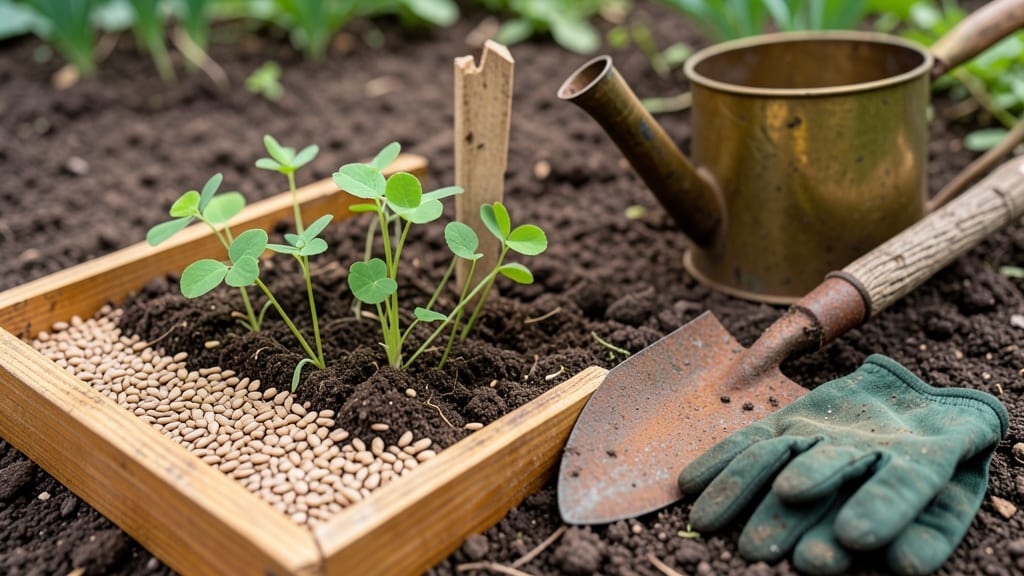
Timing your alfalfa planting in Indiana could mean the difference between a thriving 🌱 alfalfa crop and months of frustration. The USDA Zone 6a climate demands precision—plant too early, and frost will stall growth; too late, and summer heat stresses young roots before they establish.
For Indiana growers, the ideal window is narrow but critical: early spring (March-April) or late summer (August). This isn’t just about calendar dates—it’s about soil temperature, moisture, and avoiding the last frost (typically around April 15).
Get this wrong, and you’ll spend the season playing catch-up.
What if you’re unsure whether your patch of land leans toward Zone 5b’s cooler side or 6a’s milder stretches? The answer lies in microclimates—northern Indiana’s shorter growing season vs. southern Indiana’s longer heat waves. I’ll break down exactly how to adjust your planting strategy based on where you live.
Ready to set your alfalfa up for success? You’ll learn the exact steps for soil prep, seed depth, and post-planting care—plus the 5 mistakes that sink even the best-intentioned plantings. Let’s get started.
Optimal planting windows for alfalfa in Indiana by month (USDA 5b-6a)
Indiana’s USDA Zones 5b-6a create a narrow window for planting alfalfa—miss it, and you risk stunted growth or frost damage. The best time to plant is when soil temperatures hit 50°F (10°C) and stay consistent, typically in early spring (March-April) or late summer (August).
Spring planting gives alfalfa a full growing season, while fall planting lets it establish roots before winter.
For spring planting, aim for late March to mid-April—after the last frost (usually April 15) but before soil overheats. If you plant in fall, choose late August to allow 4-6 weeks of growth before the first frost (mid-October).
Fall planting is riskier in Zone 5b due to earlier frosts but can work in Zone 6a with warmer microclimates.
Soil temperature is your best indicator. Use a soil thermometer to confirm 50°F (10°C) at 2-inch depth. Cold soil slows germination, while hot soil (>75°F) can cause seed rot. In Indiana, this usually aligns with mid-March in southern zones and late March in northern zones.
Alfalfa seeds need moisture but not soggy soil. Water lightly after planting to settle seeds, then keep soil evenly moist until germination (7-14 days). Overwatering can lead to fungal diseases, while underwatering causes poor seed-to-soil contact. A drip irrigation system works best for consistent moisture.
Here’s your month-by-month breakdown for Indiana’s planting zones, including soil prep, frost risks, and ideal conditions:
| Month | Planting Window | Soil Temp | Frost Risk | Notes |
|---|---|---|---|---|
| March | Late March (Zone 6a) | 50-55°F (10-13°C) | High (Zone 5b) | Wait for soil to warm; cover seeds if frost threatens. |
| April | Early-Mid April | 55-65°F (13-18°C) | Low (after April 15) | Ideal window for strong root establishment. |
| August | Late August | 60-70°F (16-21°C) | Moderate (Zone 6a) | High risk in Zone 5b; ensure 4+ weeks before frost. |
| September | Not recommended | N/A | Very High | Seeds won’t germinate before frost; avoid. |
Spring planting is recommended for beginners because it aligns with Indiana’s natural growing cycle. Start seeds indoors in February (if using transplants) or direct-sow in March once soil is workable. For direct sowing, plant seeds 1/4 inch deep and 1/2 inch apart in rows spaced 18 inches apart.
If you choose fall planting, prioritize Zone 6a areas like southern Indiana (e.g., Evansville, Terre Haute). Northern Indiana (e.g., Fort Wayne, South Bend) is too risky due to earlier frosts. Use a row cover to protect young seedlings if planting in late August.
After planting, mulch with straw to retain moisture and suppress weeds. Alfalfa is drought-tolerant once established but needs consistent watering for the first 6 weeks. Avoid fertilizing until 4-6 weeks after germination—alfalfa fixes its own nitrogen once roots establish.
Pro tip: Test your soil’s pH (6.5-7.0) before planting. Alfalfa struggles in acidic soil, so amend with lime if needed. Indiana’s clay soils often need compost or sand to improve drainage.
Optimal planting windows for alfalfa in Indiana by month (USDA 5b-6a)
Indiana’s USDA Zones 5b-6a offer two prime windows for planting alfalfa: early spring and late summer. The key is aligning with soil temperatures and frost cycles to ensure strong germination.
In most of Indiana, the last frost typically occurs around April 15, but northern areas (Zone 5b) may see frost lingering until early May.
For spring planting, aim to sow seeds between March 15 and April 15. Soil temperatures should reach at least 50°F (10°C) for optimal germination. This window gives seedlings enough time to establish roots before summer heat arrives.
If you’re in southern Indiana (Zone 6a), you can start as early as mid-March.
Late summer planting is less common but works well if spring planting was missed. Target late August to early September, allowing seedlings to root before the first frost, usually around October 15. This method is riskier in northern Indiana due to shorter growing seasons.
| Planting Window | Soil Temp Requirement | Frost Risk | Indiana Zone Notes |
|---|---|---|---|
| Early Spring (March 15-April 15) | 50°F (10°C) minimum | Low (post-last frost) | Zone 6a: Start mid-March; Zone 5b: Wait until April |
| Late Summer (Aug 20-Sept 10) | 60°F (15°C) minimum | Moderate (pre-first frost) | Riskier in Zone 5b; Zone 6a has better buffer |
Missed both windows? Don’t panic. Alfalfa is a perennial, but planting outside these times can delay first harvest by 6-12 months. For example, seeds planted in May may not establish roots deeply enough before winter, leading to weak stands.
Always check your local Indiana State Climate Office for year-specific frost dates.
Pro tip: Use a soil thermometer to confirm temperatures before planting. Alfalfa seeds need consistent warmth to sprout—cold, damp soil can cause rot. If your soil is still chilly in spring, wait another week or two for better results.
Once planted, maintain consistent moisture for the first 30 days to encourage root development. Mulch lightly with straw to retain soil warmth and suppress weeds, which compete for nutrients critical for young alfalfa plants.