
Plants
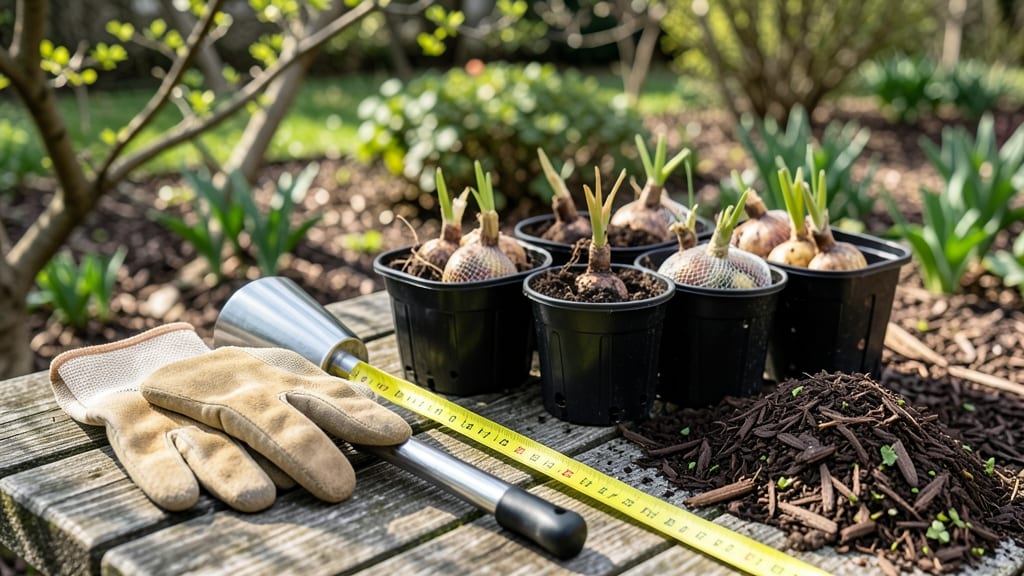
Planting potted tulips in the ground at the wrong time can turn your vibrant 🌷 dreams into a sad, wilted pile of disappointment. The key to success isn't just about digging a hole—it's about understanding when your local climate is ready to welcome them without risking frost damage.
If you're in USDA Zone 6a, like many gardeners, timing matters even more. You'll want to plant your potted tulips 6-8 weeks before the first hard frost—typically between September and November—to give their roots time to establish before winter sets in.
But what if you missed the fall window? Don't worry—spring planting is still an option, as long as you get them in the ground by March or April, before the soil warms too much.
The trick is checking soil temperature and frost forecasts to avoid common mistakes that can leave your tulips struggling.
In this guide, I'll walk you through the exact steps to transplant your potted tulips with confidence, so you can enjoy bold, healthy blooms next spring instead of second-guessing your timing.
Optimal soil temperature for planting potted tulips outdoors
Planting potted tulips in the ground at the wrong time can stunt their growth or even kill them before they bloom. The critical factor isn’t just the air temperature—it’s the soil temperature.
For tulips, the ideal range is between 40°F and 50°F. This ensures roots establish quickly without shock from sudden cold snaps or heat stress.
Why does soil temperature matter so much? Tulips are cool-season plants that thrive when the ground is cool but not frozen. If you plant too early in warm soil, their roots may dry out or overheat.
Planting too late in cold soil can leave them vulnerable to frost damage before they acclimate.
Here’s how to check your soil temperature before planting: Use a soil thermometer (available at garden centers for under $10) to measure 6 inches deep—this mimics where tulip roots will grow.
Test in the morning when temperatures are most stable. If it’s below 40°F, wait a few days or protect your plants with mulch.
Regional adjustments are key. In USDA zones 3–5, aim for planting in September or early October when soil temps hover around 50°F. In zones 6–10, wait until November or even early December when soil cools to 45°F–50°F.
Southern climates with mild winters can plant as late as January, but avoid planting when soil temps drop below 40°F.
Pro tip: If your soil is too warm (above 60°F), delay planting until temperatures drop naturally. You can also pre-cool the soil by watering deeply for a few days to lower its temperature gradually.
| USDA Zone | Ideal Planting Month | Soil Temp Range (°F) | Key Consideration |
|---|---|---|---|
| 3–5 | September–Early October | 50°F–60°F | Avoid early frost; mulch heavily |
| 6–8 | October–November | 45°F–55°F | Plant after first frost for best results |
| 9–10 | November–January | 40°F–50°F | Soil stays warm longer; plant later |
🌱 Note: Adjust for microclimates (e.g., slopes or shaded areas may cool faster).
Another common mistake is assuming air temperature reflects soil temperature. A 50°F morning might feel pleasant, but the soil could still be too warm from the previous day’s heat. Always check the soil—not just the thermometer on your porch.
If you’re in doubt, opt for late fall planting (November) rather than early planting. Tulips planted in cooler soil establish roots more slowly but survive better through winter. The trade-off? They may bloom slightly later the following spring, but the trade-off is worth it for healthier bulbs.
For container-grown tulips, give them a head start by planting them in well-draining soil mixed with compost. This helps regulate soil temperature and moisture, giving your tulips the best chance to thrive once they’re in the ground.
Remember: The goal is to balance root establishment with frost protection. With the right soil temperature, your potted tulips will transition smoothly and reward you with bold, early spring blooms.
Frost risk timeline: when to plant tulips for maximum bloom success
Planting potted tulips too early exposes them to frost damage, while waiting too long risks stunted growth. The key is timing—aim for 6-8 weeks before your first hard frost.
This window ensures roots establish before winter dormancy. For most regions in USDA zones 3-7, this translates to September through early November for fall planting.
If you're in warmer zones (8-10), you can plant as late as December or even early spring (March-April). However, spring planting may delay blooming until the following year. Always check your local last frost date—this is your planting deadline.
For example, in Zone 5, the last frost typically falls around October 15, so plant by September 1.
Microclimates add complexity. A south-facing garden bed warms faster than a north-facing one, potentially extending your planting window by 2-3 weeks. Similarly, urban areas with heat islands may allow later planting. Use a soil thermometer to confirm temperatures are consistently above 40°F before planting.
Calculate Last Frost Date
Find your USDA zone and check local almanac records for the average last frost date. Adjust for your microclimate (e.g., valleys frost earlier).
Plant 6-8 Weeks Before Frost
For Zone 5, plant by September 1. In Zone 8, extend to November 15. Use this formula: Last frost date - 56 days = Planting deadline.
Verify Soil Temperature
Soil must be 40°F–50°F for 5+ days. Use a soil thermometer at 6-inch depth. Wait if temps fluctuate below 40°F.
Adjust for Spring Planting
Spring planting (March-April) works in Zones 8-10. Expect delayed blooms until the following year. Avoid spring planting in Zones 3-7—frost will kill them.
Pro tip: Mark your calendar with 3 key dates—your last frost date, the planting deadline, and the soil warm-up period. Use a garden journal to track these over years for your specific location.
This helps you refine your timing annually and avoid common mistakes like over-planting too late or under-preparing for frost.
Remember, tulips are hardy perennials, but their first year in the ground sets the stage for future blooms. Rush the process, and you risk weak roots or frost-heaved bulbs. Take your time, and your tulips will reward you with bold, vibrant blooms for years to come. 🌷